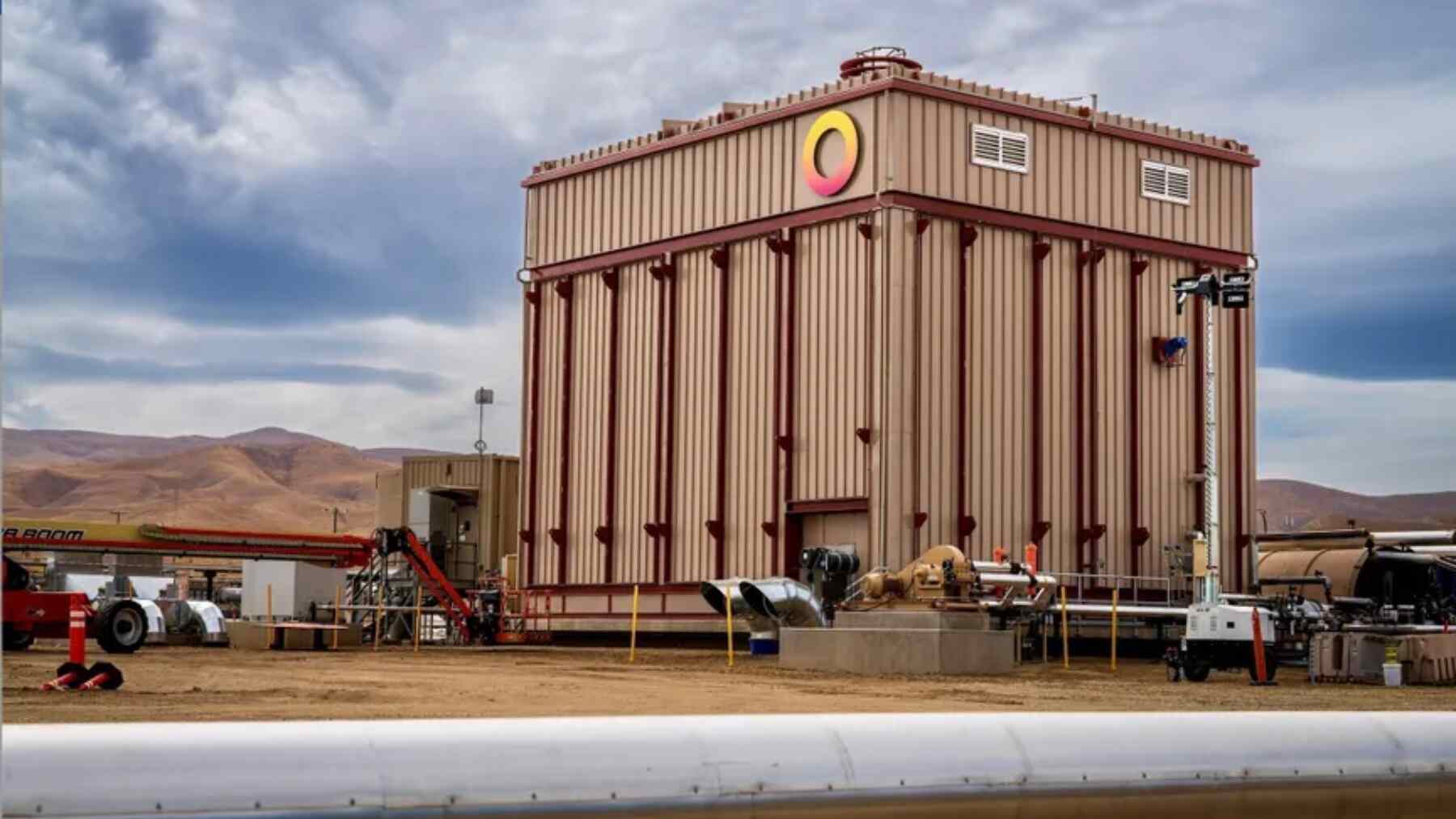
A thermal energy storage technology backed by Bill Gates is scheduled for implementation at a German chemical plant this year, according to local media reports. The system uses specialized bricks to store energy, claiming a higher energy density per kilogram than lithium batteries at approximately 10% of the cost.
- Cost Efficiency: The technology operates at one-tenth the cost of lithium-ion alternatives.
- Energy Density: One kilogram of the brick-based system stores more energy than one kilogram of lithium batteries.
- Deployment: The system enters a German chemical facility in 2024.
- Financial Backing: The technology is funded by Bill Gates.
How thermal brick storage differs from lithium batteries
The technology shifts the storage medium from chemical electrolytes found in lithium-ion batteries to thermal mass. According to reports, a single kilogram of these specialized bricks can hold more energy than a kilogram of lithium. This approach targets the high cost of traditional battery arrays, which often prohibit large-scale industrial adoption due to material scarcity and manufacturing expenses.
While lithium batteries are optimized for portable electronics and electric vehicles, this brick-based system is designed for industrial-scale applications. By utilizing heat-retaining materials, the system can store energy as heat and release it when needed, reducing the reliance on expensive rare-earth metals.
Why the technology is entering the German chemical sector
The choice of a German chemical plant for this year’s installation reflects the specific energy demands of the sector. Chemical manufacturing requires consistent, high-temperature heat, which is traditionally generated by burning fossil fuels. According to the reports, integrating this thermal storage allows plants to capture excess energy and store it efficiently for later use in industrial processes.
Implementing this at a chemical site provides a real-world test for scaling the technology beyond laboratory settings. The efficiency of the system is measured not just by how much energy it holds, but by the drastic reduction in capital expenditure required to build the storage infrastructure.
The economic impact of lower-cost energy storage
The primary economic driver of this technology is its price point. Because it costs one-tenth as much as lithium-based storage, it lowers the barrier for heavy industry to transition toward more sustainable energy sources. High upfront costs have historically slowed the adoption of energy storage in factories; a 90% reduction in cost changes the return-on-investment calculation for plant operators.
This funding, provided by Bill Gates, suggests a strategic move toward “long-duration” energy storage. Unlike short-term batteries that discharge quickly, thermal bricks can maintain energy over longer periods, which is critical for stabilizing industrial power grids and reducing peak-hour energy costs.
