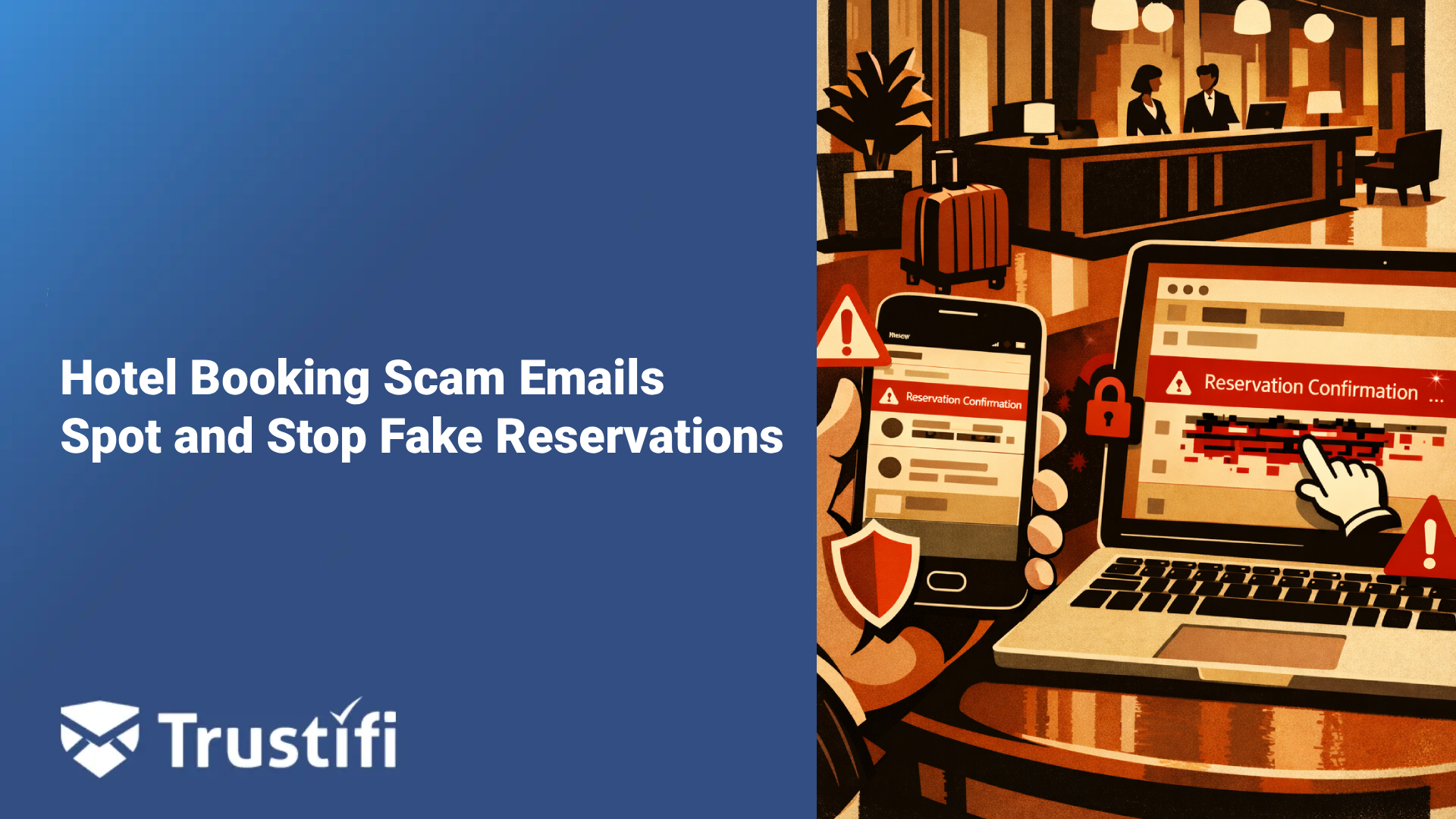
Travelers are facing a surge in sophisticated phishing attacks as the summer holiday season approaches, with scammers increasingly impersonating hotel staff to hijack reservations and defraud guests.
- Government Warnings: The German federal government has issued alerts regarding phishing schemes centered on hotel bookings.
- Global Scale: A campaign known as “Reservation Hijack” has targeted approximately 350 hotels worldwide.
- Increased Financial Loss: Personalized phishing attacks targeting Booking.com users have led German victims to pay nearly double the amounts compared to non-personalized scams.
The Mechanics of Reservation Hijacking
Current cyber threats in the travel sector have evolved beyond generic spam. In a trend identified as “Reservation Hijack,” attackers target the infrastructure or communication channels of hotels to gain access to guest data. According to reports, roughly 350 hotels globally have been caught in the crosshairs of these fraudsters.
Once attackers compromise a point of contact, they impersonate hotel employees to communicate directly with guests. By leveraging actual reservation details, the scammers create a veneer of legitimacy that makes it significantly harder for travelers to detect the fraud.
Personalized Phishing and Financial Impact
The effectiveness of these attacks is heavily tied to the level of personalization. Data indicates that when phishing attempts are highly personalized—specifically those targeting users of Booking.com—the financial impact is more severe. In Germany, victims of these tailored scams have paid nearly twice as much as those targeted by broader, less specific phishing attempts.
This suggests a shift toward “spear-phishing” tactics, where attackers use specific booking information to manipulate victims into making payments to fraudulent accounts under the guise of securing their stay or resolving a payment issue.
Recognizing the Warning Signs
The tactics used in these scams often involve creating a sense of urgency or alarm. Some victims have reported receiving notifications about a “security incident” related to their booking, which then serves as a pretext for suspicious phone calls or messages.
These communications typically aim to trick the user into providing sensitive financial information or transferring funds to a different account to “verify” the reservation. Public warnings emphasize the importance of verifying any unexpected requests for payment or personal data directly through official hotel channels rather than following links or instructions provided in unsolicited messages.
