
Beauty and the Beast Singer Peabo Bryson Dies Aged 75 – 1News: Remembering a Legend of Romance
The global music community is mourning the loss of one of the most velvet-toned voices in the history of R&B and adult contemporary music. In a heartbreaking update that has resonated across social media and news networks, reports confirm that the Beauty and the Beast singer Peabo Bryson dies aged 75 – 1News, marking the end of an era for the timeless romantic ballad.
Peabo Bryson was more than just a vocalist. he was the sonic architect of the modern love song. For over four decades, his soaring range and impeccable phrasing provided the soundtrack to countless weddings, first dances, and cinematic moments. While he achieved massive crossover success through his association with Disney, his roots in soul and R&B cemented him as a pillar of American music, bridging the gap between the grit of soul and the polished elegance of pop.
His passing leaves a void in the industry that is difficult to quantify. From his early days as a promising talent in the 1970s to his dominance of the charts in the 80s and 90s, Bryson’s career was a masterclass in consistency, vocal discipline, and emotional delivery. To understand the magnitude of this loss, one must look beyond the hit singles and examine the legacy of a man who defined the “sound of love” for multiple generations.
The Global Phenomenon of “Beauty and the Beast”
While Peabo Bryson had a prolific solo career, he is perhaps most universally recognized for his contribution to the 1991 Disney masterpiece, Beauty and the Beast. The title track, a lush, orchestral ballad, became an instant classic and a global juggernaut. This song did more than just sell records; it redefined how movie themes were marketed and consumed in the pre-internet era.
The collaboration between Bryson and Celine Dion created a vocal synergy that remains a gold standard for Disney soundtracks. The track earned an Academy Award for Best Original Song and a Golden Globe, propelling Bryson into a level of international stardom that transcended the R&B charts. For many listeners, Bryson’s voice was the emotional anchor of the film, embodying the tenderness and longing of the story’s protagonists.
The impact of “Beauty and the Beast” cannot be overstated. It served as a bridge, introducing Bryson’s sophisticated R&B sensibilities to a younger, more diverse global audience. The song’s enduring popularity—still played at events and streamed millions of times today—ensured that Bryson’s legacy would be etched into the cultural fabric of the 20th century.
“Peabo Bryson didn’t just sing a song; he narrated a feeling. His ability to convey vulnerability through power is what made his Disney contributions so timeless.”
A Journey Through the Soul: Peabo Bryson’s Early Career and Rise
Long before the Disney magic, Peabo Bryson was honing his craft in the competitive landscape of American soul. Born with a natural gift for melody, Bryson’s early years were marked by a desire to blend the traditional sounds of gospel and jazz with the emerging trends of contemporary R&B.

His ascent in the late 1970s and early 1980s was characterized by a series of sophisticated albums that appealed to a mature audience. Unlike the high-energy funk of the era, Bryson leaned into the “Quiet Storm” movement—a style of mellow, romantic R&B that prioritized mood and intimacy over danceability. This strategic positioning allowed him to carve out a niche as the premier “balladeer” of his generation.
The Power of the Duet
One of the most defining characteristics of Bryson’s career was his uncanny ability to harmonize with other legendary artists. He became the industry’s first choice for duets, largely due to his ability to support a partner’s voice while still delivering a commanding performance.
His partnership with Roberta Flack remains one of the most successful pairings in music history. Their hit “Tonight, I Celebrate My Love” became an anthem of devotion, showcasing a sophisticated blend of Flack’s understated elegance and Bryson’s emotive power. This collaboration proved that Bryson could hold his own alongside the greatest vocalists in the world, further elevating his status in the eyes of critics and fans alike.
Throughout his career, Bryson collaborated with a diverse array of artists, including:
- Celine Dion: The iconic voice of the Disney Renaissance.
- Roberta Flack: Creating the gold standard for romantic duets.
- Natalie Cole: Blending soul and jazz sensibilities.
- Various Gospel Artists: Returning to his spiritual roots in later projects.
Analyzing the Musicality: What Made Peabo Bryson Unique?
To the casual listener, Peabo Bryson was simply a “great singer.” However, to musicologists and vocal coaches, his technique was a study in precision. Bryson possessed a rare combination of a rich baritone foundation and a flexible tenor upper register, allowing him to navigate complex melodies with ease.
One of the key elements of his style was dynamics. Bryson understood the power of the whisper. He would often start a song with a soft, intimate delivery, drawing the listener in, before building to a powerful, resonant crescendo that felt earned rather than forced. This emotional arc is what made his music feel like a conversation rather than a performance.
| Musical Element | Bryson’s Approach | Impact on Listener |
|---|---|---|
| Phrasing | Conversational and fluid | Creates a sense of intimacy and authenticity |
| Vocal Range | Seamless transition from baritone to tenor | Allows for dramatic emotional shifts in ballads |
| Genre Blending | R&B, Pop, and Adult Contemporary | Broadened his appeal across demographic lines |
| Collaboration | Adaptive harmonization | Enhanced the strengths of his duet partners |
The Cultural Impact and Industry Legacy
The news that the Beauty and the Beast singer Peabo Bryson dies aged 75 – 1News prompts a reflection on the evolution of the R&B ballad. Bryson operated during a time when the “album experience” was paramount, and the sluggish jam was a curated piece of art. He helped transition R&B from the raw, gritty sound of the 60s into the polished, high-production era of the 80s and 90s.
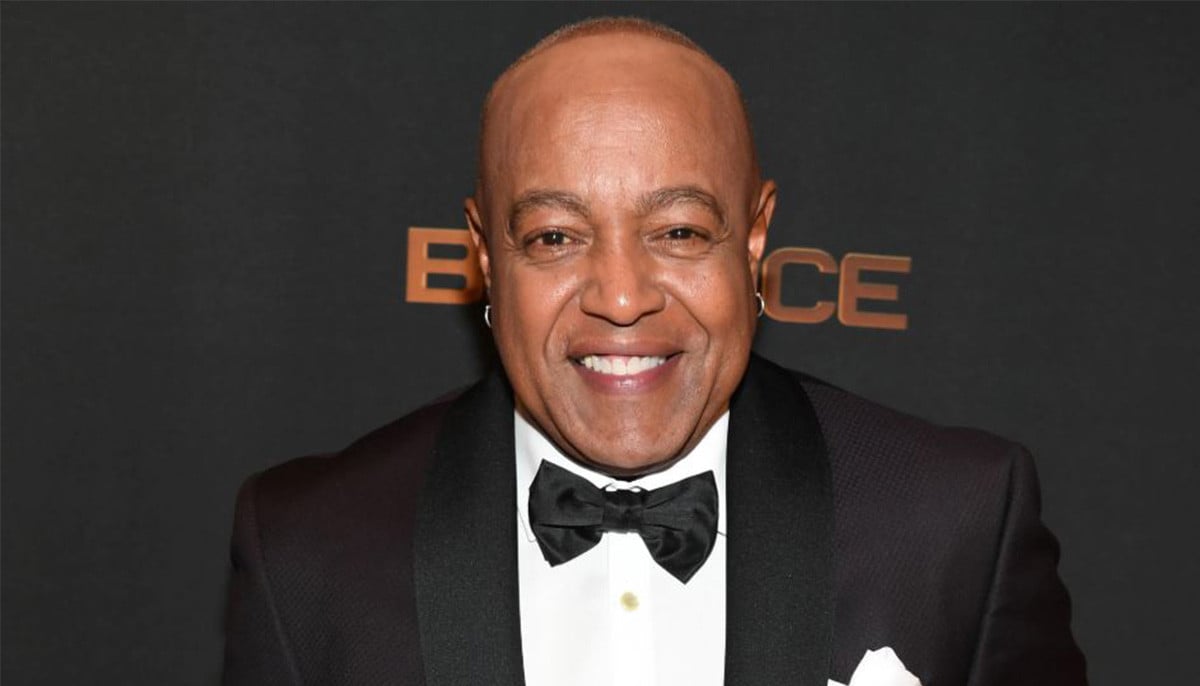
His influence can be seen in the subsequent generations of male vocalists who prioritized emotional storytelling over vocal gymnastics. Artists like Brian McKnight, Babyface, and even modern R&B singers owe a debt to the blueprint Bryson helped create—a blueprint where the song’s emotion dictates the vocal delivery.
Bridging the Racial and Genre Divide
In an era where radio stations were often strictly segregated by genre (Urban vs. Top 40), Peabo Bryson was one of the few artists who could dominate both. His ability to appeal to white pop audiences without sacrificing his R&B identity was a significant achievement. By doing so, he opened doors for other Black artists to find success in the “Adult Contemporary” space, proving that soul music had a universal language of love that transcended racial boundaries.
Common Misconceptions About His Career
Because of the overwhelming success of the Disney soundtrack, some critics have oversimplified Bryson’s career, viewing him primarily as a “Disney singer” or a “wedding singer.” This is a narrow interpretation of a much deeper discography.
Firstly, Bryson was a formidable solo artist with several chart-topping albums long before 1991. His work in the early 80s was influential in shaping the “Quiet Storm” radio format. Secondly, while he is known for love songs, his versatility extended into gospel and jazz, showcasing a technical proficiency that went beyond the requirements of a standard pop ballad.
some assume his success was merely a result of the Disney machine. In reality, Disney chose Bryson because his voice possessed the specific gravitas and warmth required to make the song believable. The success was a result of a perfect match between a legendary voice and a legendary melody.
The Ripple Effect: Reactions from the Music World
As news of his passing spreads, the reactions have been a testament to his kindness and professionalism. Colleagues from the recording industry have frequently cited Bryson as a “singer’s singer”—someone who was as humble in the studio as he was powerful on stage. Producers remember him for his discipline and his ability to nail a take with minimal direction, a trait that made him a favorite among the elite engineers of the music industry.
Fans across the globe have taken to social media to share personal stories. Many describe how “Beauty and the Beast” played at their weddings, or how “Tonight, I Celebrate My Love” reminded them of their parents. This personal connection is the true measure of an artist’s success; Bryson didn’t just create hits—he created memories.
For those looking for more on the intersection of music and cinema, a related explainer on the evolution of Disney soundtracks might provide further context on how artists like Bryson changed the way we experience film music.
Frequently Asked Questions
What was Peabo Bryson’s most famous song?
While he had many hits, his most globally recognized song is “Beauty and the Beast,” the title track for the 1991 Disney animated film, which he performed with Celine Dion. He is also highly regarded for “Tonight, I Celebrate My Love” with Roberta Flack.
How many Grammys did Peabo Bryson win?
Peabo Bryson won a Grammy Award for Best Song Written Specifically for a Motion Picture or for a Television program for “Beauty and the Beast.” Throughout his career, he received numerous nominations and awards across R&B and Pop categories.
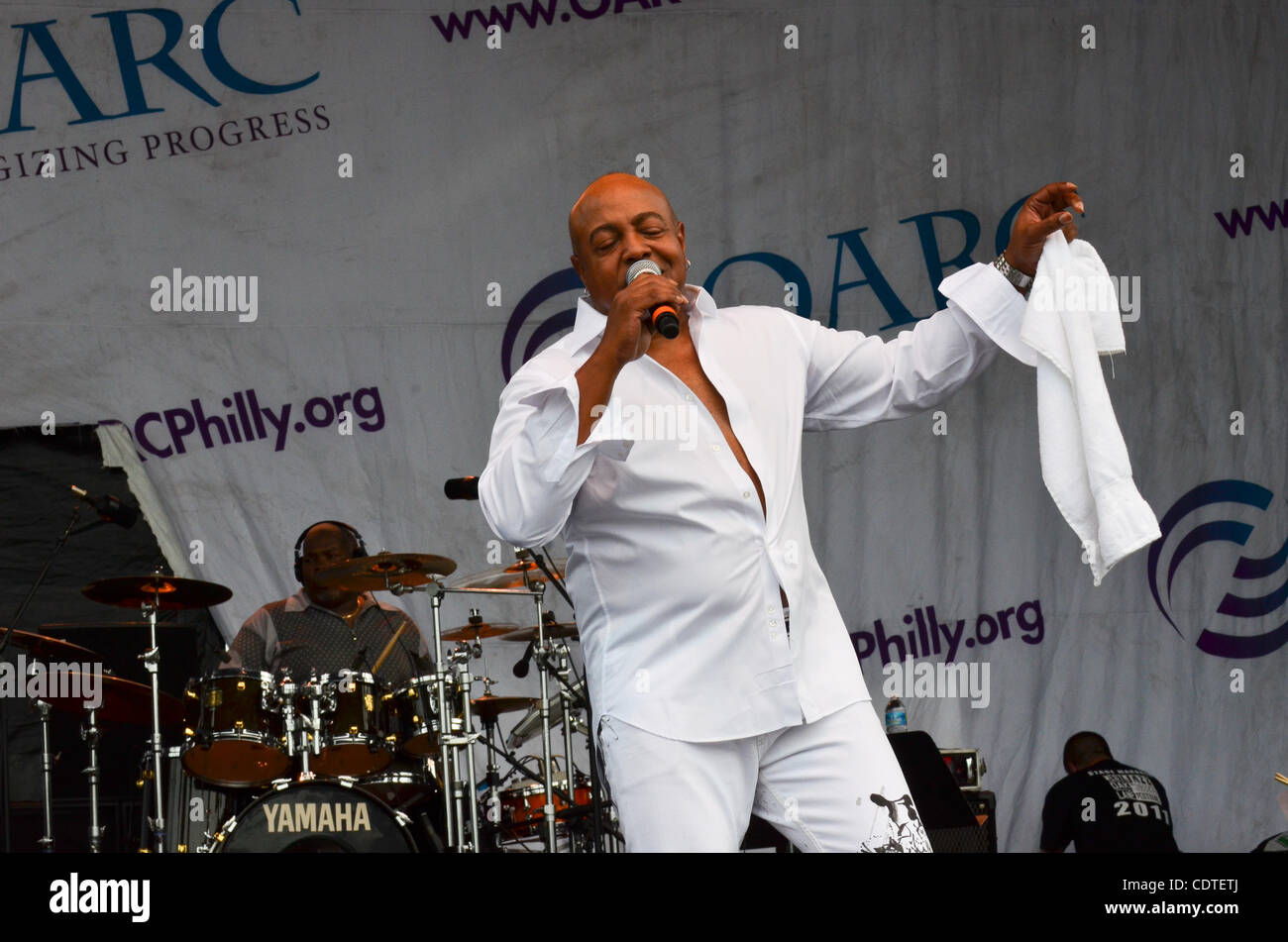
What genre of music did Peabo Bryson specialize in?
He primarily specialized in R&B, Soul, and Adult Contemporary music. He was a pioneer of the “Quiet Storm” style, characterized by smooth, romantic ballads.
Who were Peabo Bryson’s most notable collaborators?
His most notable collaborations include Celine Dion, Roberta Flack, and Natalie Cole. He was widely considered one of the best duet partners in the industry due to his vocal adaptability.
At what age did Peabo Bryson pass away?
As reported in the news, Peabo Bryson passed away at the age of 75.
The departure of Peabo Bryson marks the closing of a chapter in the history of American music. He belonged to a generation of vocalists who viewed singing as a craft to be mastered and an emotion to be shared. While the charts may change and genres may evolve, the resonance of a truly great voice never fades.
As we look back at his discography, we see more than just a list of songs; we see a map of human emotion—longing, joy, heartbreak, and eternal love. The world has lost a voice, but the recordings remain, ensuring that the romantic legacy of Peabo Bryson will continue to inspire listeners and lovers for decades to come.
