Protein Analysis of Homo naledi Fossils Finds Zero Male Markers in South African Cave
Protein analysis of Homo naledi fossils finds zero male markers among the remains recovered from a South African cave system, according to reports from ednews.africa and other scientific news outlets. Researchers analyzing approximately 20 skeletons from the Rising Star cave system found that every individual tested appears to be female, a result that challenges existing assumptions about the species’ social structures and the nature of the site.
What were the results of the protein analysis on Homo naledi?
Scientists utilized paleoproteomics—the study of ancient proteins—to determine the biological sex of the Homo naledi remains. According to reports from Live Science and Popular Science, the analysis revealed a complete absence of male-specific protein markers across the analyzed sample. This means that every single skeleton recovered from this specific chamber of the cave system was identified as female.
The findings are described by researchers as a “weird result from an already weird hominin,” according to Live Science. The lack of male markers is statistically improbable for a random sample of a population, leading scientists to question whether the site represents a biased sample or a deliberate behavioral pattern.
Key findings from the analysis include:
- Sample Size: Approximately 20 individuals were analyzed.
- Biological Sex: 100% of the analyzed fossils showed female markers.
- Marker Type: Protein-based analysis was used due to the degradation of DNA.
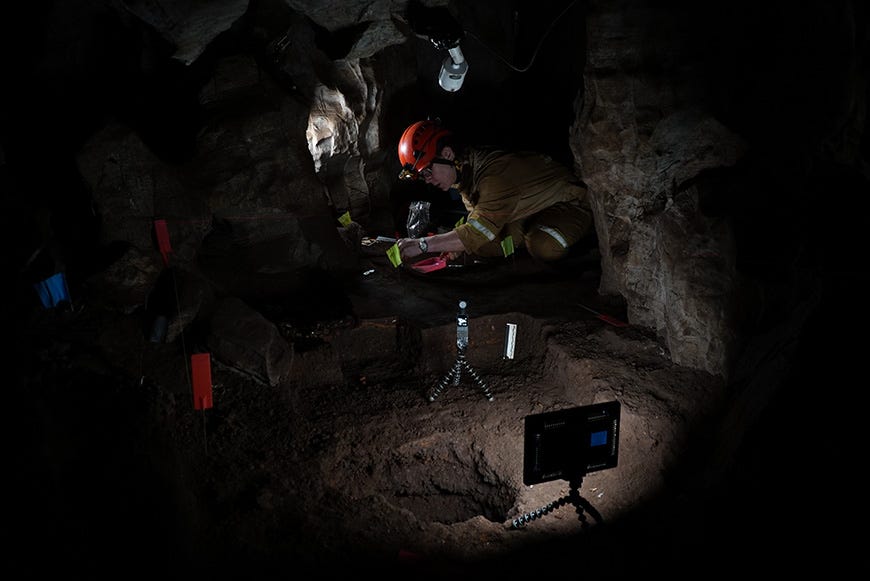
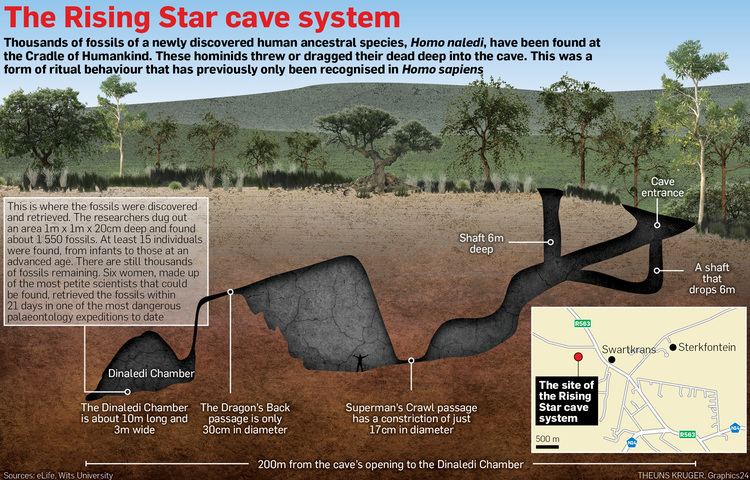
- Location: The Dinaledi Chamber within the Rising Star cave system, South Africa.
How does paleoproteomics work compared to DNA testing?
The use of protein analysis was a necessity driven by the environmental conditions of the South African caves. According to National Geographic, DNA is a fragile molecule that degrades rapidly, especially in warmer climates. In the case of Homo naledi, the fossils are too old and the environment too harsh for traditional genomic sequencing to be viable.
Proteins, specifically collagen, are more robust than DNA and can survive for millions of years. By sequencing the amino acids in these proteins, scientists can identify specific markers that differ between males and females. This method allows researchers to determine the sex of a specimen even when the skeletal structure is too fragmented for traditional morphological analysis (which relies on looking at the shape of the pelvis or skull).
“Proteins act as a more durable record of an organism’s biology than DNA, allowing us to peer into the demographics of extinct species that would otherwise remain silent,” according to technical summaries of the paleoproteomic process.
Why is the Homo naledi burial site considered controversial?
The discovery of Homo naledi is already one of the most debated topics in paleoanthropology. According to ScienceAlert, the controversy stems from two main factors: the species’ unique anatomy and the circumstances of their deposition in the cave.
Anatomical Anomalies
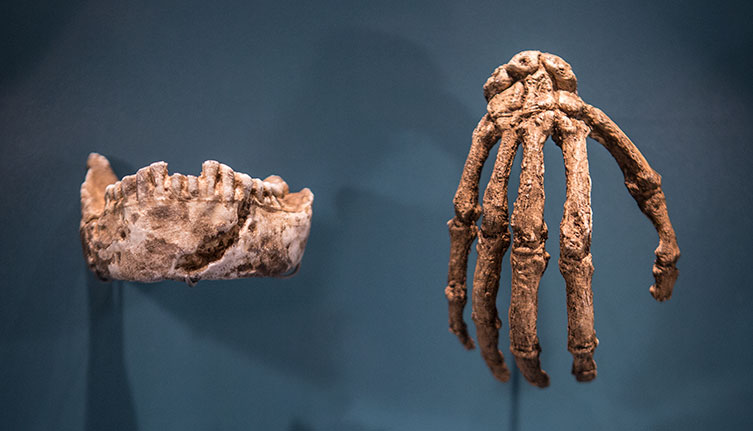
Homo naledi possesses a mosaic of features. They have small brains—comparable in size to an Australopithecus—but their hands and feet are remarkably human-like. This combination suggests a species that was not “on the ladder” to becoming modern humans in a linear fashion, but rather a side-branch of the human family tree.
The Burial Debate
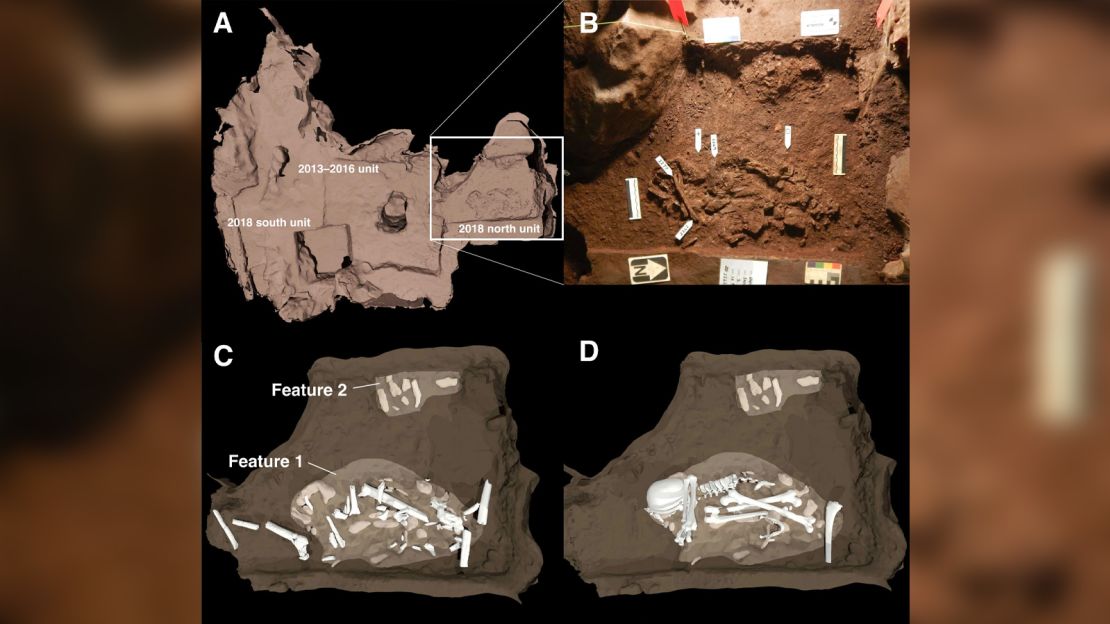
The most contentious claim, championed by the discovery team, is that Homo naledi intentionally disposed of their dead in the Dinaledi Chamber. This is a behavior previously attributed only to large-brained hominins like Homo sapiens and Neanderthals. Critics argue that the bodies could have washed into the cave via natural floods or fallen through fissures in the rock.
The discovery that the site contains only females adds a new layer to this mystery. If the bodies were washed in naturally, it is highly unlikely that only females would be deposited. If the burial was intentional, it suggests a highly specific social or ritualistic reason for burying only females in this location.
| Feature | Homo naledi | Homo sapiens | Australopithecus |
|---|---|---|---|
| Brain Size | Small (Ape-like) | Large | Small |
| Hands/Feet | Modern Human-like | Modern Human-like | Primitive |
| Shoulders | Primitive/Climbing | Modern/Walking | Primitive |
| Burial Behavior | Disputed/Proposed | Confirmed | Unknown/None |
What are the leading theories for the all-female assemblage?
The discovery that the site is exclusively female has led to several competing hypotheses. According to analysis provided by Popular Science and National Geographic, researchers are weighing the following possibilities:
1. Gender-Segregated Burial Practices
If Homo naledi did indeed bury their dead, the all-female nature of the site could point to a complex social structure. Some researchers suggest the existence of separate burial grounds for males and females, which would imply a level of symbolic thought and cultural organization previously thought impossible for a species with such a small brain.
2. Biological or Social Vulnerability
Another theory suggests that females may have been more susceptible to the hazards of the cave system. However, this does not explain why 20 different individuals would all end up in the same remote chamber without a single male accompanying them.
3. Sampling Bias
There is the possibility that the Dinaledi Chamber is simply one small part of a larger system. It is possible that males were deposited in other, as-yet-undiscovered chambers. This would mean the “all-female” finding is a result of where the archaeologists happened to dig, rather than a reflection of the entire species’ behavior.
For more on how these findings fit into the broader evolutionary timeline, see a related explainer on hominin divergence.
How do different scientific outlets frame these findings?
The reporting on the “zero male markers” discovery varies slightly in tone and focus across different publications, reflecting the tension between the data and the interpretation.
- Live Science emphasizes the “weirdness” of the result, framing it as an additive mystery to a species that already defies categorization.
- National Geographic focuses more on the biological implications and the technical achievement of using proteins to solve a riddle that DNA could not.
- ScienceAlert highlights the mystery of the burial site, leaning into the controversy of whether a small-brained creature could possess the cognitive ability to organize gender-based burials.
- ednews.africa reports the finding as a critical update in the understanding of African paleoanthropology, emphasizing the specific protein analysis results.
This contrast shows that while the fact (zero male markers) is agreed upon, the meaning (intentional burial vs. fluke of nature) remains a point of intense scientific disagreement.
What are the implications for human evolution?
The findings regarding Homo naledi challenge the “encephalization” theory—the idea that complex behaviors, such as ritual burial and social stratification, are strictly tied to a large brain. If a creature with a brain the size of an orange was practicing gender-segregated burial, it suggests that the architecture of the brain is more important than its absolute size.
Furthermore, this discovery forces a re-evaluation of the social dynamics of extinct hominins. Most models of early human evolution assume a fairly standard primate social structure. The possibility of gender-specific death rituals would suggest a level of social complexity that rivals that of modern humans.
Researchers are now looking for more sites to determine if this pattern repeats. If other chambers are found containing only males, the case for intentional, segregated burial becomes nearly undeniable. If other sites show a mix of sexes, the Dinaledi Chamber may be viewed as a localized anomaly.
To understand the tools used to uncover these secrets, you may find a guide to paleoproteomics technology useful.
Common misconceptions about the Homo naledi discovery
Because this story involves “burials” and “all-female” groups, several misconceptions have surfaced in public discourse. It is important to distinguish between reported data and speculative interpretation.
Misconception: Scientists have proven Homo naledi buried their dead.
Correction: This is a hypothesis. While the discovery team argues for intentional burial, many in the scientific community maintain that natural geological processes could have deposited the bodies in the cave.
Misconception: Homo naledi was a direct ancestor of modern humans.
Correction: Current evidence suggests Homo naledi was likely a side-branch or a “cousin” rather than a direct ancestor. Their primitive features combined with later dates of existence suggest they lived alongside other hominins rather than evolving directly into us.
Misconception: The “all-female” finding means there were no males in the species.
Correction: The analysis only applies to the fossils found in one specific area of the Rising Star cave system. It does not suggest the species lacked males, but rather that no males were found in that specific deposit.
Frequently Asked Questions
What is the main keyword regarding this discovery?
The primary focus of current reporting is that protein analysis of Homo naledi fossils finds zero male markers in the analyzed samples from the South African cave site, as noted in reports from ednews.africa.
Why couldn’t scientists just use DNA to find the sex of the fossils?
DNA degrades over time, especially in the warm climate of South Africa. Proteins are more stable and can survive much longer, making paleoproteomics the only viable method for these specific fossils.
Where was Homo naledi found?
The fossils were discovered in the Rising Star cave system, specifically within the Dinaledi Chamber, located in South Africa.
How many fossils were analyzed?
Approximately 20 individuals were analyzed, all of whom were identified as female.
Does this prove that Homo naledi had a culture?
It does not prove it, but it provides strong circumstantial evidence. If the all-female assemblage was a result of intentional burial, it would imply a sophisticated social culture.
As researchers continue to explore the Rising Star system, the focus remains on finding male specimens or additional chambers that could either confirm or debunk the theory of intentional, gender-segregated burial. The intersection of protein science and paleoanthropology continues to redefine the boundaries of what scientists believe was possible for early human relatives.
