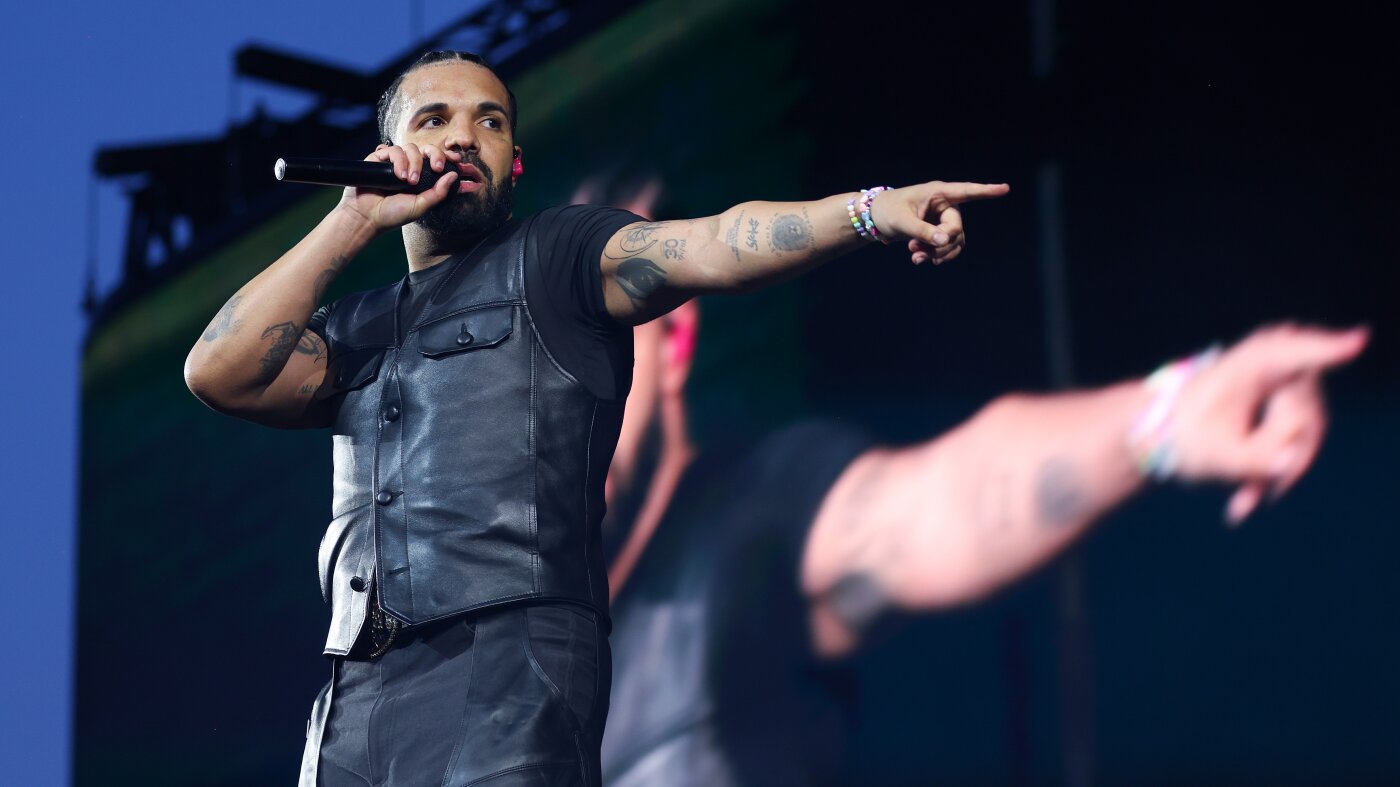
Drake’s Chart Dominance Sparks Intense “Song of the Summer” Competition
In a year marked by shifting musical landscapes and evolving fan preferences, Drake has once again solidified his status as a chart powerhouse, igniting a fierce battle for the coveted “song of the summer” title. The Canadian rapper’s recent releases have not only topped Billboard charts but also redefined the criteria for summer dominance in the music industry. As his latest tracks continue to break streaming records, the race for this seasonal distinction has become more competitive than ever, with emerging artists and established names alike vying for attention in an ever-evolving marketplace.
The Rise of a Chart Icon
Aubrey Drake Graham, better known by his stage name Drake, has become a defining figure in contemporary music. Since his breakthrough in the early 2010s, he has consistently shaped the soundscape of hip-hop and R&B. His ability to blend melodic sensibilities with lyrical depth has made him a household name, with albums like Views and Scorpion achieving both commercial and critical acclaim. Recent data from streaming platforms shows that his tracks have consistently maintained high engagement, with “One Dance” becoming the first song to surpass 1 billion streams on Spotify—a milestone that underscores his influence.
Drake’s latest releases have further cemented his position as a chart force. His single “Her Loss,” a collaborative project with 21 Savage, debuted at the top of the Billboard 200, showcasing his ability to maintain relevance in a rapidly changing industry. The track’s success is not just a testament to his artistry but also to his strategic approach to music production and marketing, which has set new benchmarks for artist engagement and fan interaction.
Historical Context and Industry Impact
Drake’s chart dominance is not an isolated phenomenon but part of a broader trend in the music industry. Over the past decade, the concept of the “song of the summer” has evolved from a seasonal curiosity to a critical metric for an artist’s commercial viability. This shift is closely tied to the rise of streaming services, which have transformed how music is consumed and measured. Unlike the traditional radio-driven metrics of the past, modern chart performance is now influenced by a complex interplay of streaming data, social media engagement, and algorithmic curation.
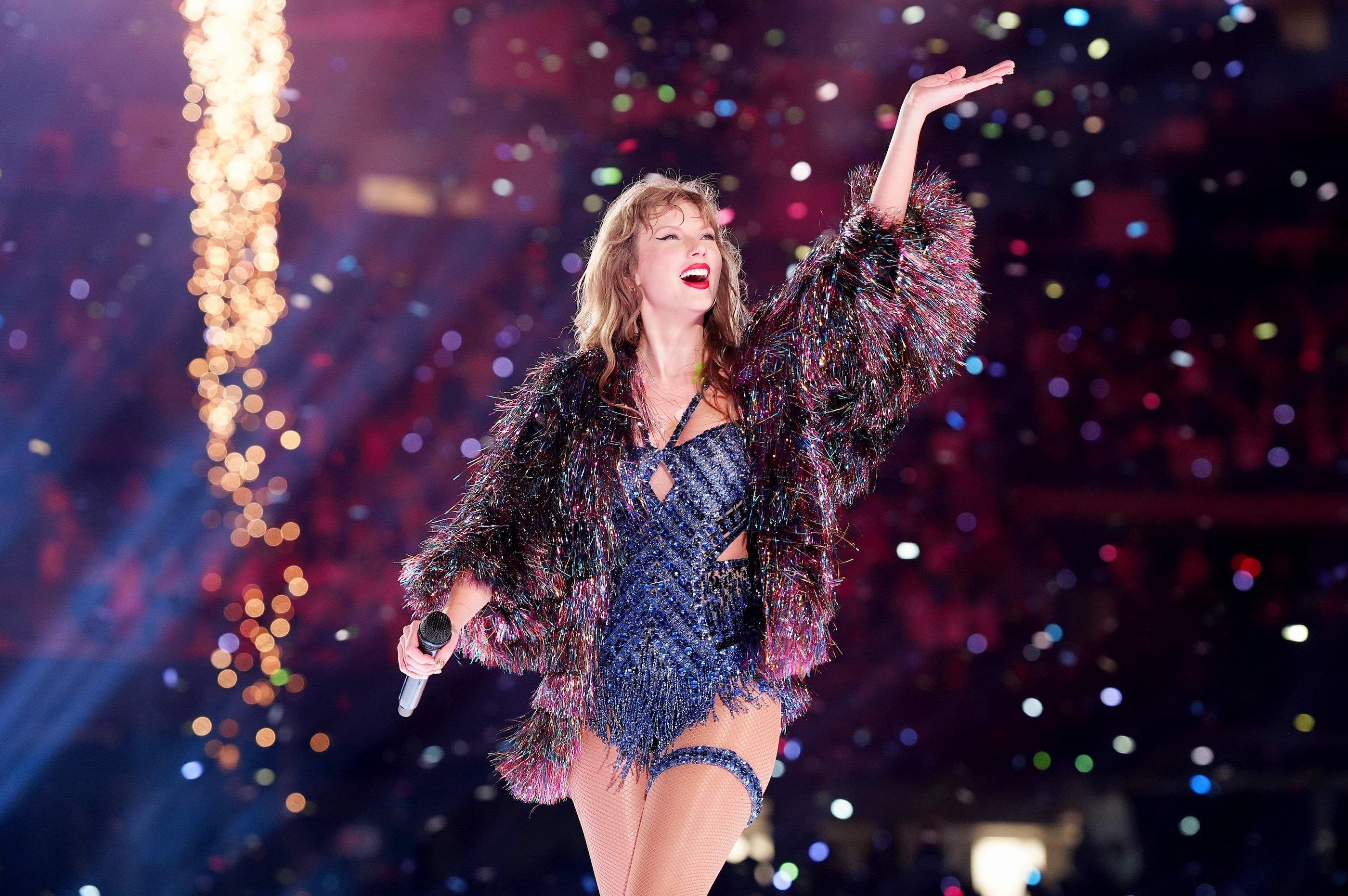
The competition for the “song of the summer” title has also become more diverse. While Drake’s dominance is undeniable, other artists have emerged as formidable contenders. Performers like Beyoncé, Taylor Swift, and newer acts such as Olivia Rodrigo have all contributed to a dynamic landscape where the definition of a summer hit is constantly redefined. This competition has led to a more inclusive and multifaceted approach to what constitutes a “summer” song, with genres ranging from pop to hip-hop and beyond finding their place in the spotlight.
Key Players in the Summer Race
While Drake’s influence is central to the current discourse, the “song of the summer” race involves a constellation of artists, producers, and industry stakeholders. Each contender brings a unique perspective and strategy to the table, reflecting the diversity of the modern music market. For instance, Beyoncé’s strategic release schedules and her ability to create culturally resonant projects have positioned her as a perennial favorite. Meanwhile, Taylor Swift’s meticulous storytelling and fan engagement have allowed her to maintain a loyal following that eagerly anticipates her releases.
The role of streaming platforms in shaping this competition cannot be overstated. Services like Spotify, Apple Music, and YouTube have become the primary arenas for chart battles, with algorithms playing a crucial role in determining which songs gain traction. This has led to a new era of “chart engineering,” where artists and their teams work closely with data analysts to optimize release strategies. Drake’s team, for example, has been known to leverage social media trends and fan interactions to maximize the visibility of his releases, a strategy that has proven highly effective.
The Role of Social Media and Fan Engagement
Social media has become an integral part of the “song of the summer” race, with platforms like Instagram, TikTok, and Twitter serving as both promotional tools and arenas for fan interaction. Drake’s use of social media to engage with his audience has been a key factor in his continued success. His Instagram account, @champagnepapi, has over 140 million followers, providing a direct line of communication with fans and a platform for promoting new releases. This level of engagement not only drives immediate traffic to his music but also fosters a sense of community among his listeners.
Other artists have also embraced social media as a strategic tool. For example, Olivia Rodrigo’s meteoric rise was partly fueled by her active presence on platforms like TikTok, where her music gained traction through user-generated content. This highlights the changing dynamics of the music industry, where traditional marketing strategies are increasingly supplemented by digital engagement. The result is a more democratized approach to music consumption, where fan-driven trends can significantly influence chart performance.
Implications for the Music Industry
The intense competition for the “song of the summer” title has broader implications for the music industry. It has prompted a reevaluation of how success is measured and what factors contribute to a song’s longevity. In the past, a summer hit was often seen as a fleeting phenomenon, but today’s data-driven approach emphasizes sustained engagement and long-term impact. This shift has led to a more holistic view of an artist’s career, where the ability to maintain relevance across different seasons and trends is increasingly valued.
the focus on summer hits has influenced the way artists approach their creative processes. There is a growing emphasis on producing music that is both commercially viable and culturally resonant. This has led to a more collaborative and experimental approach, with artists often working with a diverse range of producers and collaborators to craft songs that appeal to a broad audience. Drake’s collaborations with artists like 21 Savage and Future exemplify this trend, as they bring different styles and perspectives to the table, resulting in music that is both innovative and accessible.
Economic and Cultural Impact
The economic impact of the “song of the summer” race is significant, with successful summer hits generating substantial revenue through streaming, merchandise, and live performances. For artists, a summer hit can serve as a springboard for further success, providing the financial and promotional support needed to sustain their careers. This has led to a more competitive and high-stakes environment, where the pressure to deliver a summer hit can be immense.
Culturally, the “song of the summer” has become a marker of gener
