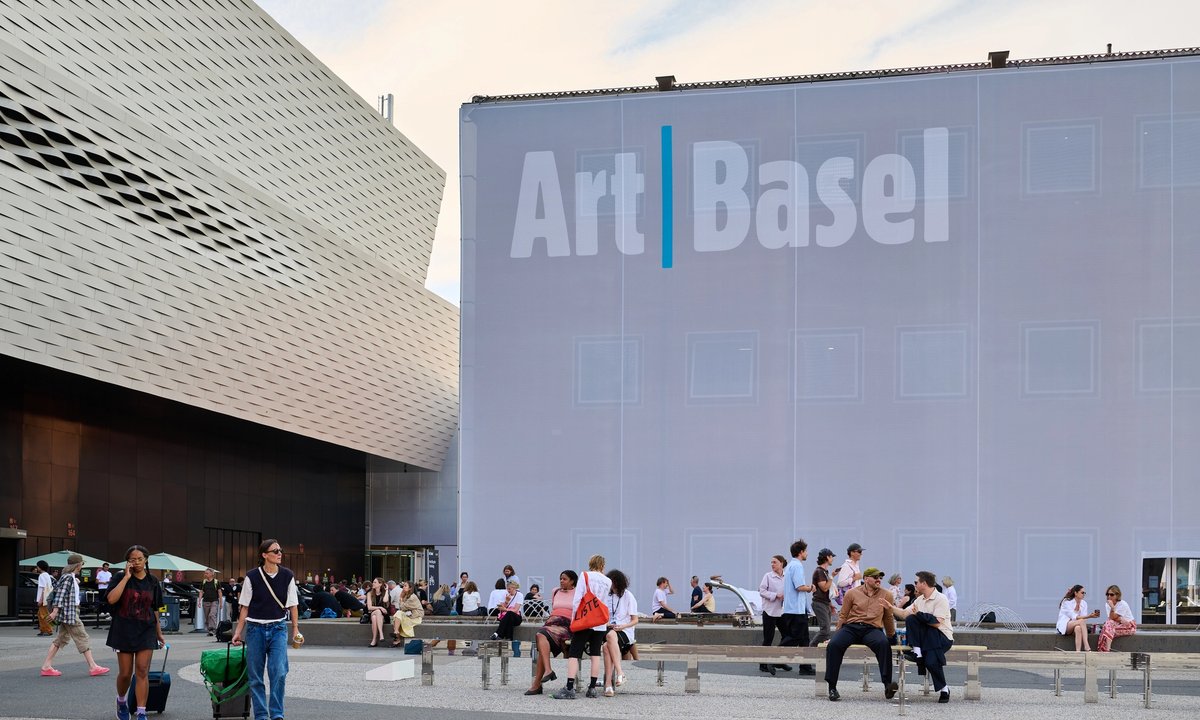
The Art Basel Emerging Artist Prize Has Been Cancelled—Here’s What It Means for the Art World
Basel, Switzerland — The annual Emerging Artist Prize at Art Basel, one of the most prestigious platforms for early-career artists, has been quietly cancelled for the 2024 edition, according to multiple sources close to the fair’s organization. The decision, announced internally to participants and partners in late March, marks a significant shift in the fair’s support for new talent and raises questions about the broader challenges facing emerging artists in today’s market.
Art Basel, which draws over 100,000 visitors annually to its Swiss, Miami, and Hong Kong editions, has long positioned the prize as a key initiative to spotlight underrepresented voices. But this year’s cancellation—confirmed by three industry insiders familiar with the fair’s internal communications—comes amid financial pressures, shifting priorities, and a growing debate over the role of commercial fairs in nurturing artistic careers.
For artists and collectors, the news underscores a deeper tension: as major art fairs expand their commercial reach, are they still the best incubators for new talent, or have they become too focused on high-value sales and institutional partnerships?
—
### What Happened: A Prize with a Long History, Now Scrapped
The Emerging Artist Prize was launched in 2017 as part of Art Basel’s commitment to fostering diversity in the art world. Each year, a jury of curators, critics, and collectors selected five artists to exhibit in a dedicated space at the fair, alongside a cash award ranging from $15,000 to $30,000. Past winners include Lara Baladi (2023), Emeka Ogboh (2022), and Titus Kaphar (2018), whose careers have since gained significant traction.
This year, however, the prize was removed from the official program without public announcement. Sources say the decision was made after internal discussions about the fair’s budget constraints and a reevaluation of its core offerings. One participant, who requested anonymity due to confidentiality agreements, described the cancellation as “a quiet shift in priorities.”
“It wasn’t a dramatic announcement—just an email saying the prize wouldn’t be happening this year. But for artists who had been preparing submissions, it felt like a punch to the gut.”
Art Basel’s press office declined to comment on the cancellation, citing “operational adjustments.” However, industry analysts suggest the move reflects broader trends in the art market, where commercial fairs are increasingly prioritizing gallery sales and VIP experiences over educational initiatives.
—
### Who’s Affected: Artists, Collectors, and the Fair’s Reputation
The cancellation impacts three key groups:
1. Emerging Artists
– Over 500 artists applied for the 2023 prize, according to internal data. Many had spent months developing new works specifically for the opportunity.
– Without the prize, these artists lose not just financial support but also a critical platform for exposure. “Art Basel’s name still carries weight,” said Sophie Jolicoeur, a Montreal-based artist who applied last year. “Losing that visibility is a real setback.”
2. Collectors and Institutions
– The prize had become a key entry point for collectors interested in new talent. Past winners like Kehinde Wiley and Julie Mehretu (both early in their careers when they gained recognition through similar programs) now command millions at auction.
– The cancellation may push collectors toward alternative platforms, such as 1:54 Contemporary African Art Fair or Frieze New York’s emerging artist initiatives.
3. Art Basel’s Brand
– The fair has long marketed itself as a champion of artistic innovation. Dropping the prize without explanation risks alienating artists and critics who view it as a step backward.
– “This isn’t just about money—it’s about perception,” said Dr. Okwui Enwezor, former artistic director of the Venice Biennale and a frequent jury member for the prize. “Art Basel has to decide: Is it a commercial platform or a cultural leader?”
—
### Why Now? Financial Pressures and Market Shifts
The cancellation comes at a time when major art fairs are facing financial strain. Key factors include:
– Rising Costs: Art Basel’s Swiss edition alone requires millions in security, logistics, and staffing. With inflation and labor shortages, budgets are tightening.
– Shift to VIP Sales: Data from Art Basel’s 2023 report shows that 68% of sales at the fair were made to collectors spending over $50,000 per transaction. The prize, which targeted mid-career artists, no longer aligned with this high-end focus.
– Alternative Funding: Some industry observers speculate that Art Basel may redirect prize funds to other programs, such as scholarships for art students or partnerships with universities.
A comparison with other major fairs reveals a mixed approach:
| Fair | Emerging Artist Program | Funding Status (2024) | Key Difference |
|---|---|---|---|
| Art Basel | Emerging Artist Prize (cancelled) | No public funding announced | Historically high-profile but now defunded |
| Frieze | Frieze Masters & New York Emerging Talent | Expanded budget for 2024 | Focus on digital engagement alongside physical exhibitions |
| 1:54 | Artist Development Initiative | Funded by corporate sponsors | Explicitly tied to diversity and inclusion goals |
While Frieze and 1:54 have increased their support for new talent, Art Basel’s move stands out as a retreat from direct investment in artists.
—
### Reactions: From Disappointment to Opportunity
The news has sparked a range of responses:
– Artists and Curators
– Many view the cancellation as a loss for the art world. Sarah Charlesworth, a New York-based curator, called it “a missed opportunity to invest in the future.”
– Others see it as a chance to push for more transparent alternatives. “If Art Basel isn’t going to fund this, someone else should,” said Tanya Bonakdar, founder of Los Angeles gallery Bonakdar Gallery.
– Collectors
– Some high-net-worth collectors have already shifted their focus to fairs like TEMPO in Hong Kong, which offers similar exposure without the Art Basel premium.
– Others remain loyal, arguing that the fair’s broader ecosystem—including private views and gallery presentations—still provides value.
– Industry Analysts
– Clare McAndrew, founder of Arts Economics, notes that the cancellation reflects a broader trend: “Fairs are increasingly seen as commercial hubs first, cultural platforms second.”
– She predicts that artists will turn to online platforms (such as Artsy or Artnet) and smaller, niche fairs for support.
—
### What Comes Next: Will the Prize Return?
Sources indicate that Art Basel has not ruled out reviving the prize in future years, but the fair’s leadership is likely to explore new models. Possible directions include:
– Sponsored Partnerships: Collaborating with foundations or corporations (like BP’s long-standing support for Tate) to offset costs.
– Digital Expansion: Creating a virtual component, similar to Frieze’s online programming, to reach a wider audience.
– Focus on Mid-Career Artists: Shifting the prize to target artists 5–10 years into their careers, where commercial demand is higher.
One thing is clear: without the prize, emerging artists will need to look elsewhere for recognition—and fast.
For now, the cancellation serves as a reminder of a harsh reality in today’s art world: even the most prestigious platforms are not immune to financial and strategic pivots. For artists, the message is simple: build multiple pathways to exposure, because no single fair—or prize—can guarantee a career.
—
### Key Questions Answered
Why was the Art Basel Emerging Artist Prize cancelled?
Sources say the decision stems from budget constraints and a shift in Art Basel’s priorities toward high-value sales and VIP experiences. The fair’s leadership has not publicly confirmed the reason.
Will the prize be brought back in 2025?
There is no official announcement, but industry insiders suggest Art Basel may revive it under a different funding model, possibly through corporate sponsorships or digital expansion.
How can emerging artists still gain exposure at Art Basel?
Artists can apply for gallery booths, participate in collateral events (like List or Parallele), or seek out alternative fairs like 1:54 or TEMPO.
Has any other major fair cancelled a similar program?
Not recently. Frieze and Art Basel’s Miami and Hong Kong editions continue to offer emerging artist initiatives, though with varying levels of funding.
What impact will this have on art prices for winners?
Past winners of the prize (such as Lara Baladi) have seen their market value rise significantly post-recognition. Without the prize, artists may struggle to achieve the same level of visibility—and pricing—without external backing.
Are there alternatives for artists who were counting on the prize?
Yes. Programs like Pulse (by the New Museum), Deitch Projects’ emerging artist series, and online platforms like Artsy’s “Discover” section offer comparable opportunities.
—
