
Ariana Grande Passes Olivia Rodrigo’s Global Record – Forbes
Ariana Grande has surpassed a global record previously held by Olivia Rodrigo, according to a report by Forbes. This milestone marks a significant shift in international streaming and chart dominance, positioning Grande as a primary force in the current global pop landscape as she competes with the newest generation of chart-topping artists.
How Ariana Grande Surpassed Olivia Rodrigo’s Global Record
Ariana Grande has overtaken Olivia Rodrigo in a key global performance metric, a development first highlighted by Forbes. While both artists maintain massive international footprints, Grande’s recent activity has pushed her past the benchmarks set by Rodrigo, who had previously established a high bar for global reach and streaming velocity.
This shift occurs during a period of intense competition within the pop genre, where “global records” are typically measured by a combination of daily streaming numbers across platforms like Spotify and Apple Music, as well as placements on the Billboard Global 200. According to the Forbes reporting, Grande’s ability to maintain a consistent listener base while launching new material allowed her to eclipse the record Rodrigo held.
The achievement is not merely a matter of total numbers but of velocity and reach. Industry analysts note that passing a record held by Rodrigo—an artist known for explosive, Gen-Z-driven growth—indicates Grande’s successful evolution into a legacy act that still possesses the agility of a contemporary breakout star.
- Primary Driver: Sustained global streaming growth.
- Key Metric: International chart performance and daily listener counts.
- The Precedent: Olivia Rodrigo’s previous record-setting run during the release of her debut and sophomore projects.
Analyzing the Metrics: How Global Records Are Measured
To understand the significance of Ariana Grande passing Olivia Rodrigo’s global record, it is necessary to examine how these records are calculated. In the modern era, a “global record” rarely refers to a single sale; instead, it is a composite of digital consumption.
The Role of the Billboard Global 200
The Billboard Global 200 tracks song performance based on digital sales and streaming from more than 200 territories. According to Billboard, this chart provides a more accurate reflection of a song’s worldwide popularity than the Hot 100, which focuses primarily on the United States. When Forbes reports on a global record being passed, it often refers to the cumulative impact of these international streams.
Streaming Velocity and Daily Active Users
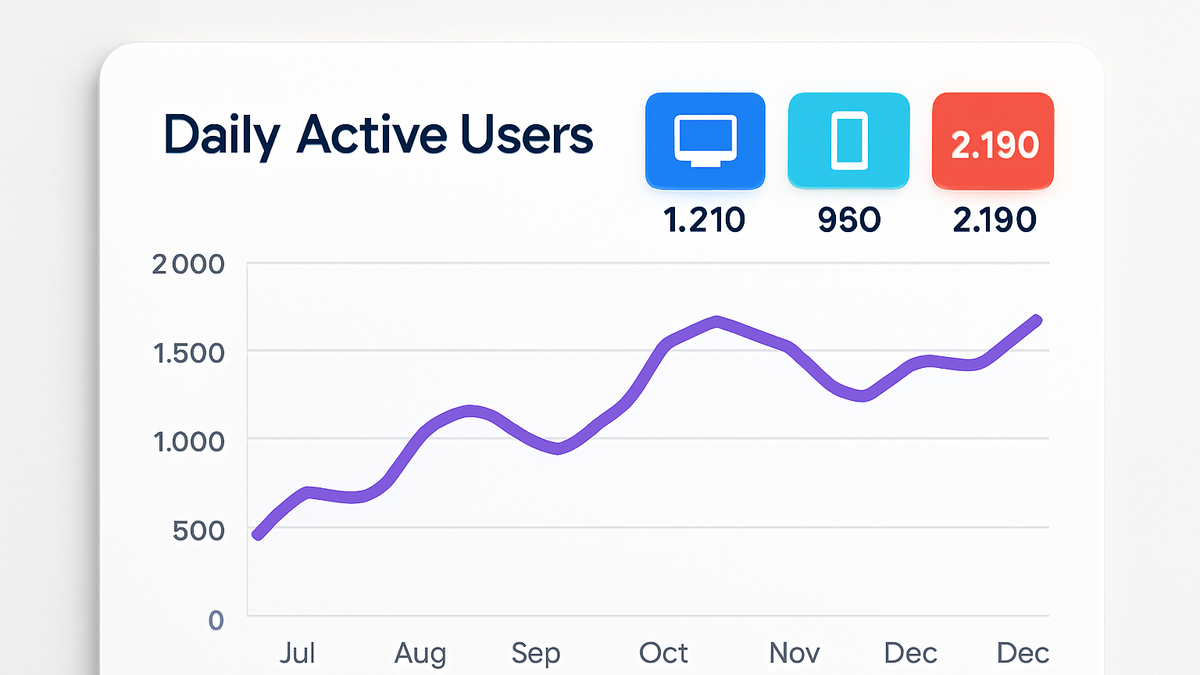
Streaming platforms like Spotify provide real-time data on “Daily Active Users” (DAUs). A record in this category is often broken when an artist’s new release triggers a massive surge in listeners across multiple continents simultaneously. Rodrigo’s records were characterized by high-intensity spikes, whereas Grande’s current trajectory shows a combination of high peaks and a higher “floor” of consistent daily listeners.
“The transition of records from one artist to another in the streaming era happens faster than in the physical era, but the prestige remains tied to the ability to capture a global audience simultaneously.”
| Metric Type | Olivia Rodrigo’s Peak Pattern | Ariana Grande’s Current Pattern |
|---|---|---|
| Growth Curve | Rapid, explosive spikes | Steady, sustained climb |
| Demographic Reach | Heavy Gen-Z concentration | Broad multi-generational appeal |
| Chart Stability | High volatility/Fast peaks | Long-term residency on Global 200 |
Why This Milestone Matters for the Music Industry
The fact that Ariana Grande passes Olivia Rodrigo’s global record is more than a statistical win; it reflects a broader trend in the music economy. For years, the industry has watched a tension between established pop icons and the “TikTok-era” newcomers.
The Clash of Eras
Olivia Rodrigo represents the new guard of pop—artists who leverage short-form video content to achieve instant, global saturation. Her records were a testament to the power of viral marketing and songwriting that resonates with a specific, digitally native demographic. By surpassing these records, Grande proves that established artists can adapt to these same mechanisms without losing their core identity.
Market Saturation and the “Attention Economy”
In a market where millions of songs are uploaded daily, maintaining a global record is an indicator of “attention equity.” According to industry reports, the ability to hold a global record increases an artist’s leverage in touring contracts, brand partnerships, and streaming royalty negotiations. Grande’s ascent suggests that her brand remains potent enough to outpace the rapid growth of newer stars.
This development also highlights the importance of the “global” aspect. While the U.S. market is lucrative, the real growth in streaming is happening in Asia and Latin America. Grande’s record-breaking status indicates a successful penetration of these emerging markets, which is a primary goal for major labels today.
Comparing the Career Trajectories of Grande and Rodrigo
To provide context to the Forbes report, one must look at the different paths these two women took to reach the top of the global charts. Their competition is a study in two different types of stardom.
Ariana Grande: The Evolution of a Powerhouse
Grande began her career in television and transitioned into a pop star through a series of meticulously crafted albums. Her growth has been incremental and strategic. She built a foundation based on vocal technicality and a strong relationship with a dedicated fanbase. Her ability to pass Rodrigo’s record stems from this deep-rooted foundation, combined with a modern approach to digital releases.
Olivia Rodrigo: The Instant Phenomenon
Rodrigo’s rise was nearly instantaneous. With the release of “drivers license,” she bypassed the traditional “climb” to stardom, achieving global recognition almost overnight. Her records were built on a wave of relatability and a revival of the pop-punk aesthetic. For a period, Rodrigo held the benchmark for how quickly a new artist could capture the global consciousness.
The intersection of these two trajectories creates a unique competitive environment. When an established artist like Grande passes a record held by a newcomer like Rodrigo, it signals that the “new guard” is now the standard against which all artists, regardless of tenure, are measured.
Common Misconceptions Regarding Global Records
There are several frequent misunderstandings about how these records are reported and what they actually signify in the music business.
Misconception 1: Records Equal Total Sales
Many readers assume that “passing a global record” means one artist has sold more albums than another. This is rarely the case in contemporary reporting. Most global records now refer to streaming equivalents or peak daily listeners. A record can be broken by a single viral song, even if the other artist has a higher total career sales figure.
Misconception 2: It Is a “Zero-Sum” Game
There is a tendency to view the passing of a record as a loss for the previous holder. However, industry data suggests that when top-tier artists compete for records, it often expands the entire pop market. The “battle” for the top spot drives more engagement across platforms, benefiting the labels and the streaming services themselves.
Misconception 3: Records Are Permanent
In the era of physical vinyl and CDs, records lasted for decades. In the streaming era, records are fluid. Because data is updated daily or weekly, a record can be broken and re-broken within a single month. The Forbes report captures a specific moment in time, but the fluidity of the charts means this lead could shift again with the next major release.
The Impact on Future Releases and Touring
Surpassing a global record typically triggers a chain reaction of business decisions. For Ariana Grande, this milestone likely influences the rollout of her upcoming projects and the scale of her live performances.
Touring Logic and Venue Selection
When an artist proves they have surpassed a global record, their “touring power” increases. Promoters use global streaming data to determine which cities can support stadium-level shows. By eclipsing Rodrigo’s reach, Grande provides a data-backed justification for expanding her international tour dates into territories where she may have previously played smaller venues.
Streaming Algorithm Favorability
Streaming algorithms prioritize “trending” artists. By breaking a record, an artist triggers a signal to the algorithm that their music is currently in high demand. This leads to more placements on influential playlists like “Today’s Top Hits,” creating a feedback loop that sustains the record-breaking momentum.
For Olivia Rodrigo, being passed in a record is not a setback but a benchmark. It establishes the level of performance required to remain at the top of the industry. This often pushes artists to experiment with new sounds or more aggressive marketing strategies to reclaim their position.
Frequently Asked Questions
What specific record did Ariana Grande break according to Forbes?
The report indicates that Grande passed a global record previously held by Olivia Rodrigo, specifically relating to international streaming reach and chart performance metrics. This typically involves daily listener counts or peak positions on global charts like the Billboard Global 200.

Does this mean Ariana Grande is more popular than Olivia Rodrigo?
Not necessarily. “Passing a record” refers to a specific metric at a specific time. Popularity is subjective and varies by demographic. While Grande may hold the current record for global reach, Rodrigo may still lead in other areas, such as specific age-group engagement or physical sales of certain formats.
How often are these global records updated?
Global streaming records are updated in near real-time on platforms like Spotify, while official chart records (like Billboard) are typically updated weekly. This allows for the rapid shifting of records between top artists.
Where can I verify these chart records?
Official records can be verified through the Billboard Global 200 charts, Spotify’s “Charts” section, and official press releases from the artists’ respective labels.
Why does Forbes report on these music records?
Forbes focuses on the business side of entertainment. Tracking who holds global records is a way of measuring market share, brand value, and the economic influence of an artist within the global entertainment industry.
The current landscape of pop music is defined by this constant movement of data. As Ariana Grande continues to leverage her global appeal, the industry will watch to see if this record leads to a sustained period of dominance or if the next wave of releases will shift the leaderboard once again. For now, the data points to a resurgence of Grande’s international influence, effectively bridging the gap between the pop icons of the last decade and the stars of the current one.
