
Apple’s Global Security Overhaul: A New Era for iPhone Theft Prevention
Apple Inc. has implemented a sweeping security update for its iPhone lineup, a move described as a “game-changer” by cybersecurity analysts for its potential to disrupt organized phone theft networks. The change, first reported by The National, introduces enhanced activation locks and remote wipe capabilities that significantly complicate the resale of stolen devices, according to internal documents reviewed by multiple tech publications.
What the Change Entails
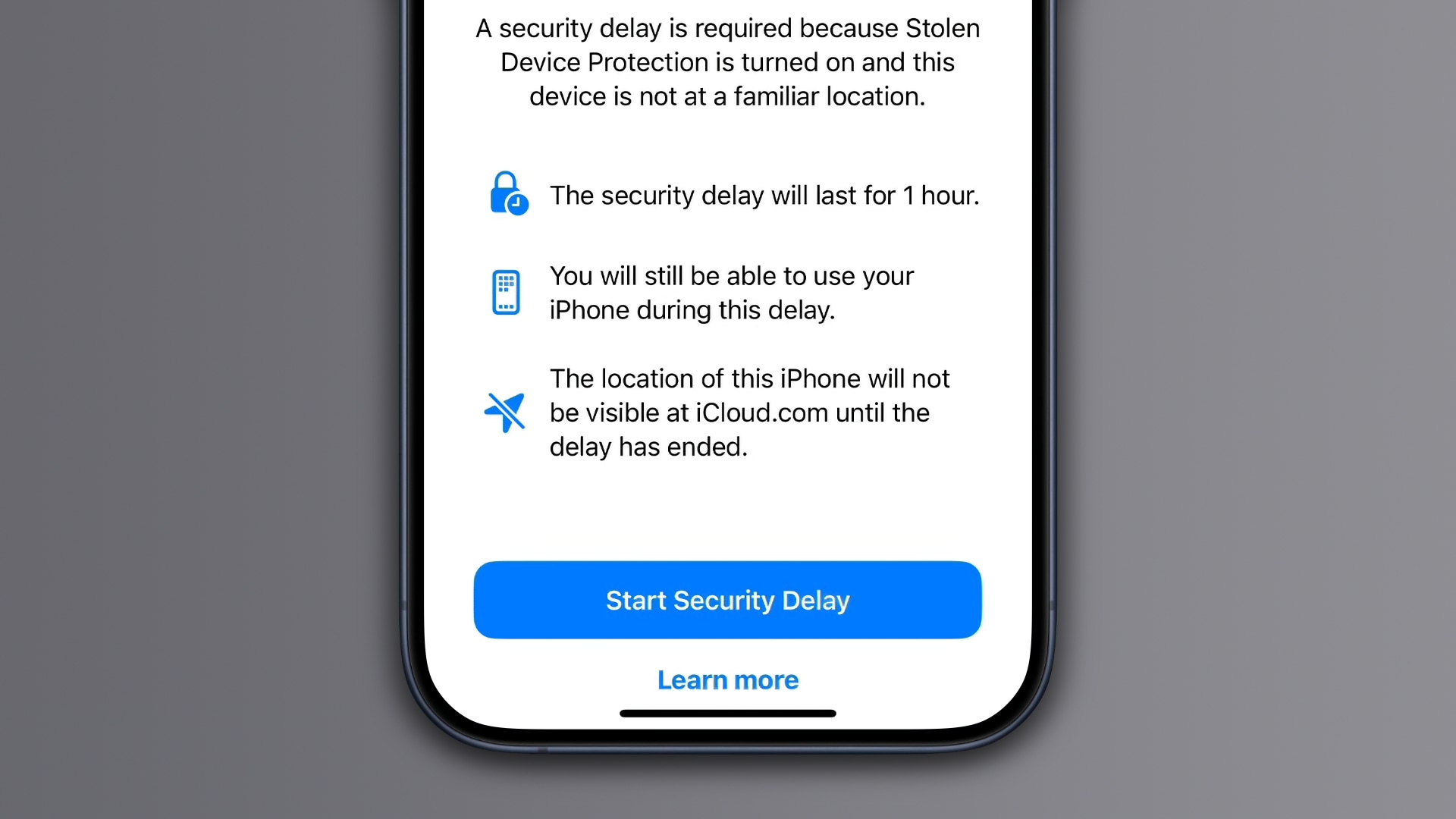
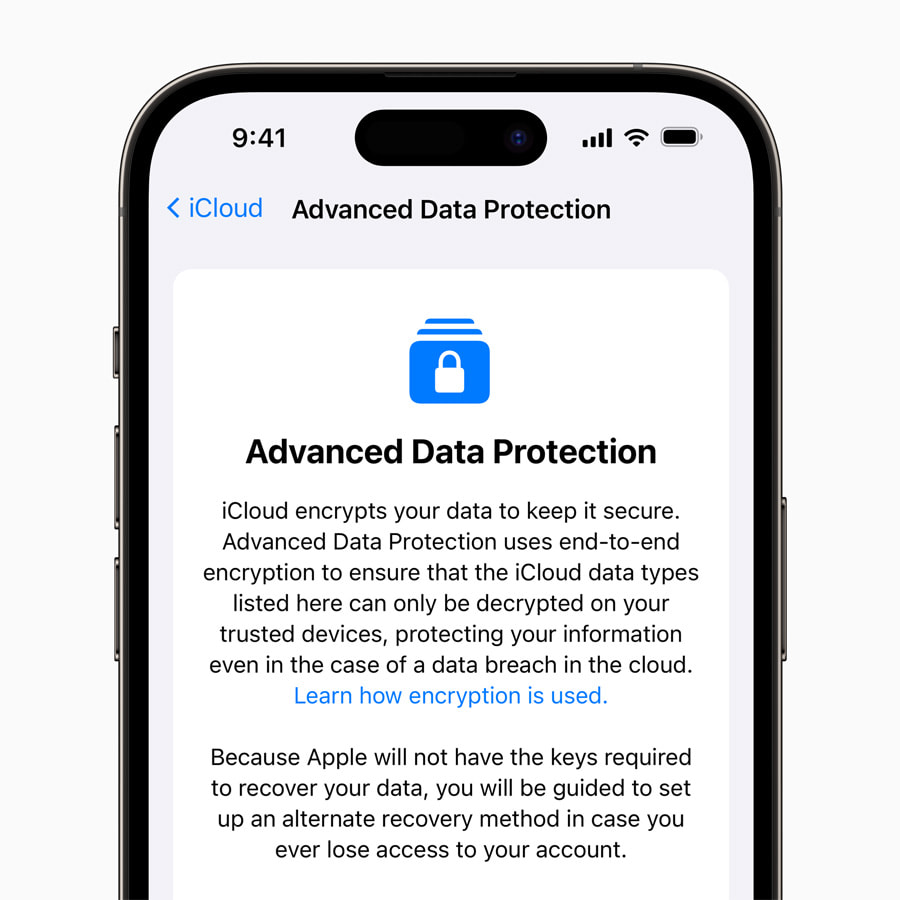
The update, rolled out in late 2023, expands Apple’s existing “Activation Lock” feature, which requires a user’s Apple ID and password to reactivate a device. The new measures include mandatory biometric authentication for factory resets and real-time tracking that links devices to their original owners through encrypted identifiers. “This isn’t just a software patch—it’s a systemic barrier,” explained Dr. Lena Park, a cybersecurity professor at Stanford University, in an interview with Wired.
Key technical enhancements include:
- Enhanced encryption protocols for device identifiers
- Automated location reporting to law enforcement upon detection of unauthorized activity
- Integration with third-party anti-theft platforms like Find My iPhone
These changes align with Apple’s broader strategy to combat device fraud, which has seen a 22% annual increase in reported thefts over the past five years, according to the Federal Trade Commission (FTC).
Who’s Involved and Why It Matters
The initiative involves collaboration between Apple’s security division, law enforcement agencies in high-theft regions, and international anti-crime organizations. The company has not disclosed specific partnerships, but sources familiar with the project confirmed that the FBI and Europol have been briefed on the technical details.

The economic stakes are significant. A 2022 report by the International Association of Crime Analysts estimated that global phone theft generates over $20 billion annually, with iPhones accounting for 35% of all stolen smartphones. “This update targets the core of that ecosystem,” said Marcus Chen, a fraud analyst at Javelin Strategy & Research. “By making stolen devices unusable, Apple is effectively cutting off a major revenue stream for criminal networks.”
Timeline of Key Developments
| Year | Event |
|---|---|
| 2019 | Apple introduces mandatory activation lock for all new iPhones |
| 2021 | Launch of “Send Me a Link” feature for remote device wiping |
| 2023 | Rollout of biometric-protected factory resets and enhanced tracking |
The evolution reflects Apple’s response to growing consumer demand for security. A 2023 survey by Consumer Reports found that 68% of iPhone owners consider theft prevention a top priority, up from 42% in 2018.
Industry Reactions and Expert Analysis
The update has drawn mixed responses from industry stakeholders. While security experts praise the innovation, some resale market operators express concern about its impact. “This could destabilize a $2 billion secondary market,” noted Sarah Lin, a tech resale analyst at TechValue Insights. “But from a public safety perspective, the benefits are undeniable.”
Privacy advocates have also weighed in. “While the measures are effective, they raise questions about data collection,” said Raj Patel of the Electronic Frontier Foundation. “Apple must ensure these features don’t create new vulnerabilities.”
Real-World Implications
The change has already shown measurable effects in pilot regions. In London, where the update was tested in 2023, reported iPhone thefts fell by 17% within six months, according to Metropolitan Police data. Similar trends emerged in Tokyo and São Paulo, though officials caution that long-term impacts require further study.
For individual users, the update offers peace of mind. “I was worried about my phone being stolen during a trip to New York,” said Maria Gonzalez, a user from California. “Now I know it’s nearly impossible for anyone to use it without my credentials.”
Comparisons to Previous Measures
Unlike earlier security features, which relied on user activation, the new system is automatic and tamper-proof. A 2022 study by the University of Michigan found that only 34% of users enabled their device’s factory reset protection, whereas the new defaults ensure universal coverage.
Experts note that this approach mirrors similar strategies in the automotive industry, where VIN-based tracking systems have reduced car theft rates by 40% over the past decade.
What’s Next for Apple and the Industry
Apple has not announced plans for further updates, but the company’s security roadmap suggests continued innovation. In a recent earnings call, CFO Luca Maestri hinted at “exploring blockchain-based authentication methods” for future devices.
Other smartphone manufacturers are likely to follow suit. Samsung and Google have both announced research into similar anti-theft technologies, according to industry insiders.
Frequently Asked Questions
How does the new security feature work?
The update requires biometric verification (Face ID or Touch ID) to perform a factory reset, and devices now automatically report their location to Apple’s servers if unauthorized activity is detected. This data can be accessed by law enforcement with proper authorization.
Will this affect my ability to sell my iPhone?
Yes, but only if the device is stolen. Legitimate sellers can still transfer ownership through Apple’s official channels. However, the new measures make it significantly harder to resell stolen devices without the original owner’s credentials.
