
Fossil evidence has revealed a jaw-dropping discovery about Earth’s ancient oceans: the earliest known octopuses were not small, shy creatures lurking in the deep. Instead, they were colossal predators, towering over other marine life with a reach that would dwarf today’s largest squid.
The study, published in the journal Science and led by researchers at Japan’s Hokkaido University, describes a newly classified species of finned octopus—Nanaimoteuthis—that dominated the Cretaceous seas roughly 100 million years ago. Unlike their modern relatives, these giants measured between 23 and 62 feet (7 to 19 meters) in length, based on rare fossilized jaw specimens unearthed in Japan and Canada’s Vancouver Island.
Apex Predators of the Cretaceous
What makes this finding especially striking is the ecological role these creatures appear to have played. The fossilized jaws of Nanaimoteuthis show signs of extreme wear, suggesting they crushed hard-shelled prey—including shells and bones—with remarkable force. According to study coauthor Yasuhiro Iba, an associate professor of Earth and planetary sciences, this indicates they functioned as apex predators in their time.
“We were surprised,” Iba told reporters. “The fossil record of octopuses is extremely limited, so finding animals this large and ecologically important in the Cretaceous ocean was beyond our expectations.”
The discovery challenges long-held assumptions about the size and behavior of early cephalopods. Most octopuses today are soft-bodied, making fossilization rare. Only their durable beaks and occasional shell fragments typically survive, which is why the 15 massive jaw fossils analyzed in this study represent such a significant breakthrough.
How Scientists Reconstructed a Lost Giant
The researchers estimated the full size of Nanaimoteuthis by extrapolating from the jaw fossils, a method that has been validated in other prehistoric marine species. The creatures belonged to a group of finned octopuses, distinguished by paddle-like fins on their heads—a trait that may have aided their predatory lifestyle.
An artist’s impression released by Hokkaido University offers a glimpse of what these ancient hunters might have looked like, with their elongated bodies and powerful appendages. While the fossils themselves provide only a partial picture, the wear patterns on the jaws strongly suggest a diet far more aggressive than that of modern octopuses.
What This Means for Our Understanding of Marine Evolution
This study not only reshapes our view of octopus evolution but also highlights how little we still know about the deep ocean’s ancient ecosystems. The Cretaceous Period was already recognized for its diverse and often massive marine life, but the emergence of such large, predatory octopuses adds a new layer to that complexity.
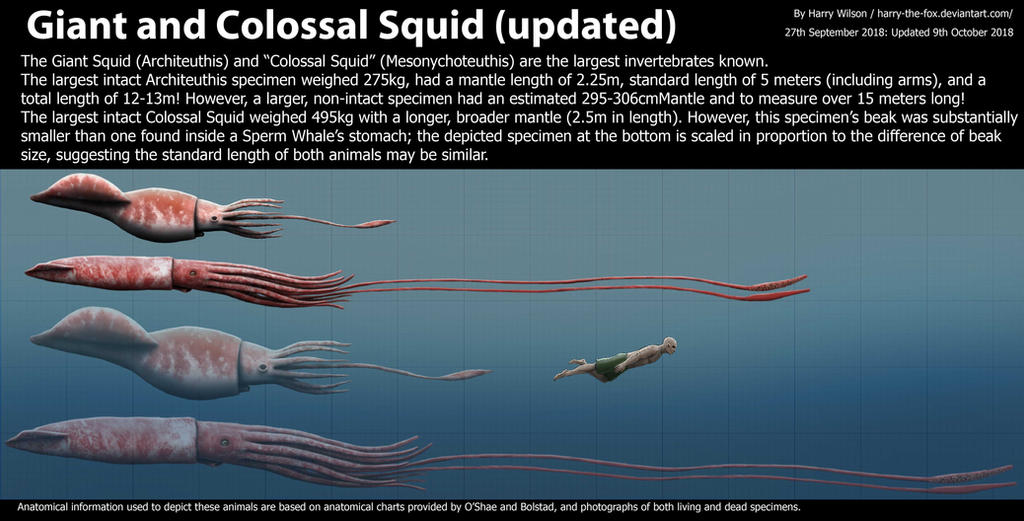
For paleontologists, the discovery raises intriguing questions: Did these giants compete with other apex predators like mosasaurs or plesiosaurs? How did their hunting strategies differ from those of their vertebrate counterparts? And why did such large cephalopods eventually decline in size over millions of years?
The research team plans to continue analyzing additional fossil specimens, hoping to uncover more clues about the behavior and ecology of these prehistoric marine titans.
