
Advertising Regulatory Board Rules Jetour’s R4,999 Monthly Payment Ad Misleading
The Advertising Regulatory Board (ARB) has ruled that an advertisement by automotive brand Jetour, which promoted monthly vehicle payments of R4,999, was misleading to consumers. According to the ARB, the advertisement failed to clearly and prominently disclose the specific financial terms and conditions required to achieve that monthly installment, thereby violating advertising standards regarding transparency and truthfulness.
The Details of the ARB Ruling Against Jetour
The dispute centered on a marketing campaign where Jetour advertised a monthly payment of R4,999. The ARB found that the advertisement lacked the necessary clarity to inform a reasonable consumer of the actual costs associated with the offer. Under the ARB’s code of conduct, any claim regarding price or payment terms must be presented in a way that does not mislead the public about the total cost of the product or the conditions of the credit agreement.
The watchdog determined that the R4,999 figure was presented as a primary hook without sufficient accompanying information. This lack of transparency meant that consumers could not reasonably determine if they qualified for the rate or what additional financial obligations—such as large deposits or balloon payments—were necessary to lower the monthly cost to that specific amount.
As a result of the finding, the ARB ordered that the advertisement be withdrawn or amended to ensure that all material terms are disclosed prominently. This ruling serves as a formal reprimand and a directive to align the brand’s marketing with the Consumer Protection Act and the ARB’s own regulatory framework.
Why the R4,999 Advert Was Deemed Misleading
In automotive financing, “headline pricing” often differs significantly from the actual monthly cost a buyer pays. The ARB’s finding against Jetour highlights a common tension between aggressive marketing and the legal requirement for full disclosure. To reach a monthly payment as low as R4,999 on a modern SUV, several financial levers are typically pulled, none of which were sufficiently explained in the advert.
The Role of Balloon Payments
One of the primary ways manufacturers lower monthly installments is through a balloon payment (or residual value). A balloon payment is a large lump sum due at the end of the finance term. By pushing a significant portion of the principal loan to the end of the contract, the monthly payment drops, but the consumer is left with a substantial debt after several years of payments.
According to industry standards, if a monthly payment is predicated on a balloon payment, that fact must be clearly stated. If a consumer assumes the R4,999 payment leads to full ownership of the vehicle at the end of the term, they are being misled about the true cost of credit.
Deposit Requirements and Interest Rates
Another factor that can artificially lower a monthly payment is a substantial upfront deposit. An advertisement that lists a low monthly cost without specifying the required deposit is often viewed by watchdogs as deceptive. Furthermore, these “teaser rates” often assume a prime interest rate or a specific credit score that not all consumers possess.
- Deposit: A large cash injection at the start reduces the loan amount, lowering the monthly installment.
- Interest Rates: Variations in the prime lending rate or the consumer’s risk profile can significantly increase the monthly cost.
- Term Length: Extending a loan to 72 or 84 months lowers the monthly payment but increases the total interest paid over the life of the loan.
The ARB’s Mandate in South African Advertising
The Advertising Regulatory Board (ARB) operates as a self-regulatory body designed to ensure that advertisements are legal, decent, honest, and truthful. Unlike a court of law, the ARB does not issue criminal penalties, but its rulings carry significant weight within the industry and can lead to forced withdrawals of campaigns, which results in lost marketing spend and reputational damage.
The board processes complaints from both consumers and competitors. In this instance, the focus was on the “materiality” of the omitted information. In advertising law, information is considered material if its omission would likely influence the decision of a consumer to purchase a product.
“The core of the issue is not whether the R4,999 payment is possible, but whether the advertisement provided enough information for the consumer to understand how that payment is achieved.”
Industry-Wide Implications for Automotive Marketing
The ruling against Jetour is not an isolated event but part of a broader crackdown on “teaser pricing” in the South African automotive sector. Many brands use low monthly figures to drive foot traffic into showrooms, knowing that the actual deal signed on the dotted line will likely be more expensive.
This practice creates a “bait-and-switch” perception among consumers. When a buyer enters a dealership expecting a R4,999 payment only to find it requires a R100,000 deposit and a 40% balloon payment, the trust between the brand and the consumer is eroded.
| Marketing Tactic | Consumer Perception | Actual Financial Reality |
|---|---|---|
| Low Monthly Payment | Affordable ownership | Often involves balloon payments or high deposits |
| “From” Pricing | Base price for the model | Usually refers to the lowest spec with no optional extras |
| 0% Interest Offers | Free credit | Often requires a very short term or a massive deposit |
For other automotive brands, this ruling reinforces the need for “clear and conspicuous” disclosures. This means that the terms and conditions should not be hidden in tiny footnotes or buried on a separate website page, but should be presented in a font size and location that is easily noticed by the viewer.
Consumer Protection and the National Credit Act
Beyond the ARB’s guidelines, vehicle financing in South Africa is governed by the National Credit Act (NCA). The NCA requires credit providers to provide a pre-agreement statement and a final quote that details the total cost of the credit, including all fees and interest.
While an advertisement is not a credit agreement, the NCA’s spirit of transparency informs how the ARB views misleading ads. When an advertisement glosses over the cost of credit, it potentially encourages consumers to enter into financial agreements they cannot afford, which contradicts the NCA’s goal of preventing reckless lending.
Consumers are encouraged to look for the following red flags in vehicle advertisements:
- Payments that seem too low for the vehicle’s retail value.
- The absence of mentioned deposits or balloon payments.
- Vague phrases like “T&Cs apply” without a summary of what those terms actually are.
- Pressure to act quickly on a “limited time” low-payment offer.
For those seeking more information on their rights, a related explainer on the National Credit Act can provide guidance on how to evaluate a finance quote.
Evaluating the True Cost of Vehicle Finance
To avoid the pitfalls of misleading advertisements, buyers should calculate the “Total Cost of Ownership” (TCO) rather than focusing on the monthly installment. The TCO includes the purchase price, interest over the full term, insurance, maintenance, and the final balloon payment.
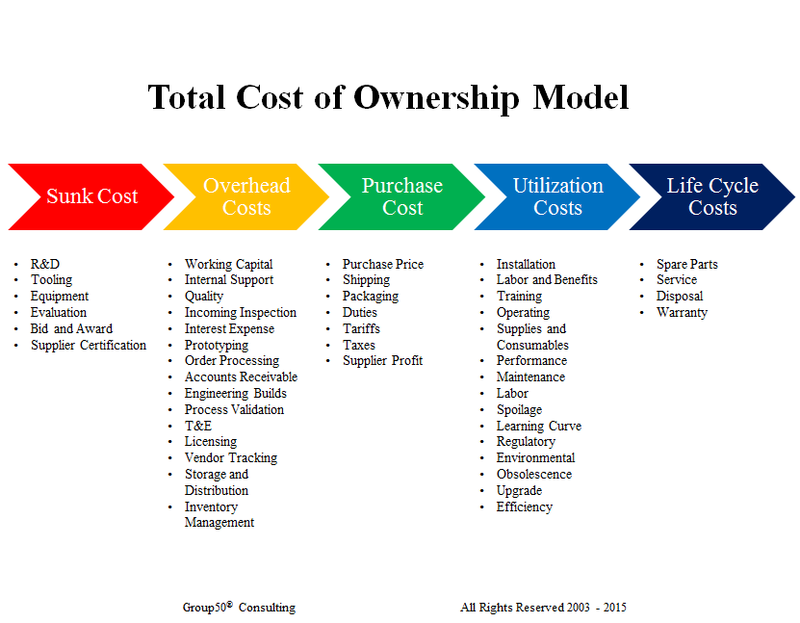
If a buyer is attracted by a payment like R4,999, they should ask the dealer for a “worst-case scenario” quote—one with no deposit and no balloon payment. This reveals the true affordability of the vehicle based on the buyer’s monthly income.
Comparing different finance structures is also essential. A loan with no balloon payment may have a higher monthly cost but results in full ownership at the end of the term. A loan with a balloon payment lowers the monthly burden but creates a “payment shock” at the end, often forcing the consumer to refinance the balloon amount into a new loan, thereby paying interest on interest.
Frequently Asked Questions
Why did the ARB find Jetour’s R4,999 ad misleading?
The ARB found the ad misleading because it failed to clearly disclose the conditions—such as deposits or balloon payments—required to achieve the R4,999 monthly payment, preventing consumers from understanding the true cost of the offer.
What is a balloon payment in car finance?
A balloon payment is a large lump sum paid at the end of a finance term. It reduces the monthly installments during the loan period but requires the borrower to pay a significant amount at the end to own the vehicle fully.

Can the ARB fine a company for misleading ads?
The ARB is a self-regulatory body and does not typically issue monetary fines. However, it can order the immediate withdrawal or amendment of an ad, which causes financial loss through wasted marketing spend and potential damage to the brand’s reputation.
How can I tell if a car advertisement is misleading?
Be cautious of ads that highlight a very low monthly payment without mentioning the deposit amount, the loan term, or the presence of a balloon payment. If the “fine print” is nearly invisible or absent, the ad may be misleading.
What should I do if I feel an advertisement has misled me?
Consumers can lodge a formal complaint with the Advertising Regulatory Board (ARB) or contact the National Consumer Commission (NCC) if they believe a company has violated the Consumer Protection Act.
The ruling against Jetour underscores the necessity for automotive brands to move away from “hook” pricing and toward a model of radical transparency. As consumers become more financially literate and regulators more stringent, the industry must prioritize clarity over click-through rates to maintain long-term consumer trust.
