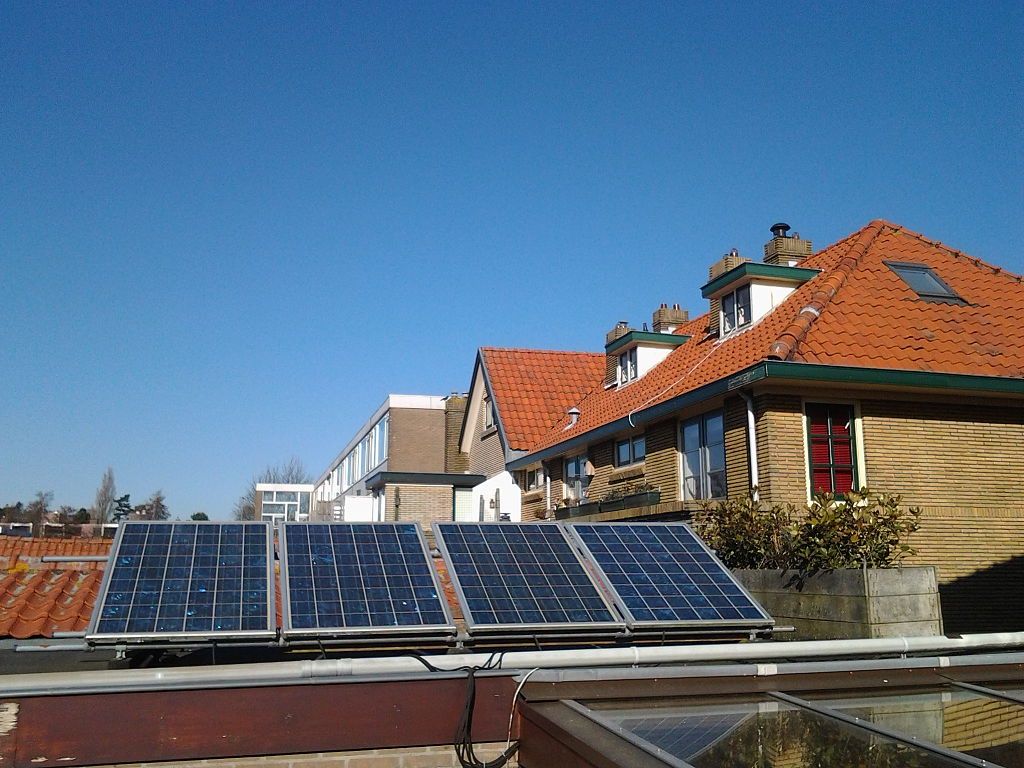
Grid operators in several European nations, including Poland, Germany, and Spain, are paying solar energy producers to shut down their installations to prevent power grid collapses during periods of overproduction, according to reports from local media.
- Overproduction of solar energy during peak daylight hours is leading to negative electricity prices.
- Grid operators utilize “curtailment” payments to incentivize producers to stop feeding power into the system.
- The crisis stems from a mismatch between the rapid growth of photovoltaic (PV) installations and the slow modernization of electrical grids.
Why are solar producers being paid to stop production?
The phenomenon occurs when solar energy generation exceeds the immediate demand for electricity. Because electricity is difficult to store at scale, an oversupply can destabilize the frequency of the power grid, potentially leading to widespread blackouts. To maintain stability, grid operators pay producers to reduce or cease their output, a process known as curtailment.
According to reports from Money.pl, this situation is frequently linked to “negative prices” on the energy market. When supply far outweighs demand, the market price for electricity can drop below zero, meaning producers must effectively pay to dump their energy into the grid or be paid by the operator to stop producing entirely.
How Poland compares to Germany and Spain
Poland is not alone in this struggle. The report indicates that Germany and Spain face nearly identical structural challenges due to their aggressive transitions toward renewable energy.
Germany, a long-term leader in the Energiewende (energy transition), frequently experiences negative price intervals during sunny weekends when industrial demand is low but solar output is at its peak. Similarly, Spain has dealt with significant solar overproduction that forces the curtailment of plants to protect the national grid.
In Poland, the issue has intensified following a massive boom in prosumer installations. While the number of solar panels increased rapidly, the physical infrastructure—the cables, transformers, and substations—remained largely unchanged, creating a bottleneck that cannot handle the surge of decentralized energy.
The economic cost of grid instability
The practice of paying for shutdowns represents a significant economic inefficiency. Capital invested in solar panels is rendered unproductive during these periods, and the payments made by grid operators add a financial burden to the energy system.
This imbalance highlights a critical gap in energy policy: the focus on increasing generation capacity without a corresponding investment in grid flexibility and energy storage. Without large-scale battery arrays or the ability to shift demand to peak production hours, the system remains reliant on costly manual interventions to avoid failure.
According to the provided reports, the current trend suggests that until grid modernization catches up with the pace of PV adoption, curtailment payments will remain a necessary, albeit expensive, tool for maintaining European energy security.
