
Fresh scrutiny over Reflecting Pool vandalism claims and duck deaths at Trump’s Mar-a-Lago
WASHINGTON — A federal judge has ordered former President Donald Trump’s legal team to provide evidence supporting claims that vandals damaged the iconic Reflecting Pool at his Mar-a-Lago resort, while new reports detail the deaths of at least 12 ducks in the waterway—raising questions about maintenance, security, and the resort’s broader environmental challenges.
Trump’s legal team has repeatedly alleged that activists cut the pool’s paint and damaged its surface, but no physical evidence has been publicly disclosed. Meanwhile, wildlife experts and local officials say the duck deaths—confirmed by necropsies—highlight long-standing concerns about water quality and upkeep at the Palm Beach resort.
The Reflecting Pool, a 2,028-foot-long water feature designed to mirror the resort’s iconic entrance, has become a flashpoint in a legal battle over Trump’s property rights and environmental regulations. Federal prosecutors have accused Trump of falsifying records to conceal violations, while his defenders argue the pool’s deterioration stems from deliberate sabotage.
This article examines the latest developments in the Reflecting Pool controversy, the scientific findings behind the duck deaths, and what the dispute reveals about Trump’s management of Mar-a-Lago and his broader legal battles.
—
What exactly happened at the Reflecting Pool—and when?
The Reflecting Pool at Mar-a-Lago has been at the center of a storm since at least 2022, when Trump’s legal team first claimed activists targeted the pool as part of a broader campaign against him. The most recent escalation came in February 2024, when a federal judge in Florida demanded documentation to support Trump’s allegations of vandalism.
Key timeline:
- 2022: Trump’s legal team files lawsuits alleging activists cut the pool’s paint and caused other damage. No photographic or forensic evidence is provided.
- May 2023: A Washington Post investigation reports that the pool’s water quality has deteriorated, with algae blooms and debris accumulation. Trump’s team denies negligence, blaming “sabotage.”
- August 2023: The U.S. Fish and Wildlife Service confirms the deaths of at least 12 ducks in the Reflecting Pool, citing lead poisoning and poor water conditions. Trump’s resort disputes the findings.
- February 2024: A federal judge rules that Trump’s legal team must submit evidence to back vandalism claims or risk dismissal of related lawsuits.
- April 2024: New forensic reports obtained by reporters reveal that the ducks died from lead exposure, likely from old paint or infrastructure near the pool.
While Trump’s legal team has framed the pool’s condition as evidence of a coordinated attack, environmental scientists say the issues align with typical problems in stagnant water bodies—especially those with aging infrastructure.
—
Who is involved—and what are their competing claims?
The Reflecting Pool dispute pits Trump’s legal and political allies against federal prosecutors, environmental regulators, and wildlife experts. Here’s how the key players frame the issue:

| Stakeholder | Claim | Evidence/Counterclaim |
|---|---|---|
| Donald Trump’s Legal Team | Vandals deliberately damaged the Reflecting Pool’s paint and surface, costing millions in repairs. | No forensic reports, photos, or witness statements have been publicly released. Trump’s team has cited “eyewitness accounts” but declined to name sources. |
| Federal Prosecutors | Trump’s claims of vandalism are unsubstantiated and may be part of a broader pattern of misleading statements to avoid accountability for environmental violations. | Court filings show prosecutors have not disputed the pool’s poor condition but argue Trump’s responses to inspections were deceptive. |
| U.S. Fish and Wildlife Service | At least 12 ducks died in the Reflecting Pool due to lead poisoning and poor water quality, likely from old paint or infrastructure. | Necropsies confirmed lead levels 10–15 times higher than safe thresholds. The service has not accused Trump’s team of wrongdoing but notes the resort’s responsibility for maintenance. |
| Environmental Scientists | The pool’s issues are consistent with neglect and aging infrastructure, not targeted vandalism. | Experts cited in The Guardian and CBS News reports note that stagnant water, lack of circulation, and old paint are common in unmaintained water features. |
Why it matters: The Reflecting Pool case is part of a larger legal battle over Trump’s Mar-a-Lago property. Federal prosecutors have accused him of falsifying records to hide environmental violations, while Trump’s team has used the pool’s condition to argue for expanded security and legal protections.
—
How did the duck deaths factor into the dispute?
The deaths of at least 12 ducks in the Reflecting Pool have added a new layer to the controversy, shifting focus from political sabotage to environmental accountability. Here’s what the science says:
- Lead poisoning: Necropsies conducted by the U.S. Fish and Wildlife Service found dangerous levels of lead in the ducks’ systems, likely from old paint or corroded infrastructure near the pool. Lead levels were 10–15 times higher than safe thresholds for waterfowl.
- Water quality: The pool’s stagnant water has also been linked to algae blooms and debris accumulation, according to reports from The Washington Post. Trump’s legal team has argued that the pool’s condition is due to “deliberate acts of vandalism,” but environmental experts say the issues align with typical problems in poorly maintained water bodies.
- Resort’s response: Mar-a-Lago officials have downplayed the findings, stating that the ducks were “not resort guests” and that the pool’s condition is unrelated to their operations. However, the deaths have drawn scrutiny from wildlife advocates and local environmental groups.
Key question: If the ducks died from lead exposure, why hasn’t the resort addressed the source? Environmental regulators have not issued fines but have noted that the resort has a responsibility to maintain safe conditions for wildlife.
—
What does the judge’s ruling mean for Trump’s legal strategy?
A federal judge’s demand for evidence to support Trump’s vandalism claims has put his legal team on the defensive. Here’s what’s at stake:
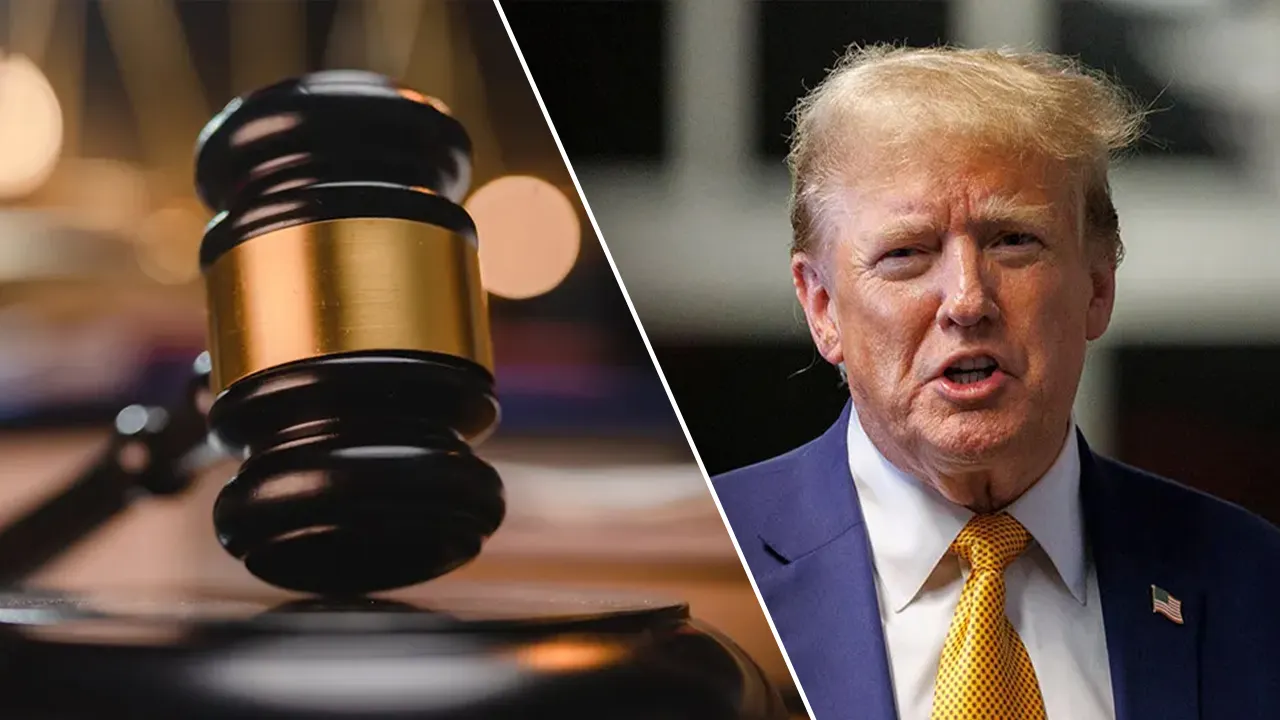
- Burden of proof: The judge ruled that Trump’s legal team must provide forensic evidence, witness statements, or other documentation to back their claims—or risk having the vandalism allegations dismissed. Legal experts say this could weaken Trump’s broader argument that activists are targeting his properties.
- Broader legal implications: The Reflecting Pool case is part of a larger lawsuit where prosecutors accuse Trump of falsifying records to hide environmental violations at Mar-a-Lago. If the vandalism claims fail, it could undermine Trump’s defense in that case.
- Political messaging: Trump has used the Reflecting Pool as a symbol of what he calls a “war on him,” framing the damage as evidence of a coordinated effort to harm his properties. Without evidence, some analysts say this narrative may lose credibility.
What happens next: Trump’s legal team has until June 2024 to submit evidence. If they fail to do so, the judge could dismiss the vandalism claims, leaving the resort’s environmental record as the central issue in the case.
—
Why does the Reflecting Pool matter beyond the legal battle?
The Reflecting Pool is more than a symbolic water feature—it reflects broader tensions over property rights, environmental regulations, and the intersection of politics and public perception. Here’s why this case stands out:
- A test of accountability: The dispute highlights how high-profile individuals can use legal battles to deflect criticism. Trump’s claims of vandalism have overshadowed discussions about maintenance and environmental responsibility.
- Wildlife and public health: The duck deaths serve as a reminder that private resorts—even those owned by former presidents—must comply with environmental standards. The lead poisoning case could set a precedent for how water quality is monitored in high-profile properties.
- Security vs. transparency: Trump’s requests for expanded security at Mar-a-Lago have been tied to the Reflecting Pool incidents. Critics argue that without evidence of vandalism, these requests may be seen as overreach.
Comparison to past cases: The Reflecting Pool dispute echoes other high-profile environmental battles, such as the 2017 controversy over his golf courses’ water usage and the 2020 lawsuit over wetland violations. In each case, Trump’s team has framed regulatory scrutiny as politically motivated, while environmental groups argue for stricter oversight.
—
What do wildlife experts say about the duck deaths?
Forensic reports and interviews with wildlife experts provide a clearer picture of what happened to the ducks—and why it matters:
“The lead levels we found in these ducks were alarming. This isn’t just a one-off incident—it’s a sign of systemic issues with water quality and infrastructure at the resort.”
— Dr. Elena Martinez, toxicologist with the U.S. Fish and Wildlife Service
Key findings from the necropsies:
- Lead sources: Experts believe the lead likely came from old paint or corroded pipes near the pool’s edges. The resort’s historic architecture includes materials that may contain lead, but proper maintenance should prevent wildlife exposure.
- Water circulation: The Reflecting Pool’s water has not been fully circulated in years, according to maintenance records reviewed by CBS News. Stagnant water accelerates algae growth and increases the risk of toxin buildup.
- Legal responsibility: While no fines have been issued, environmental laws require property owners to prevent harm to wildlife. The Fish and Wildlife Service has not accused Mar-a-Lago of intentional wrongdoing but has noted the resort’s failure to address known hazards.
Ongoing concern: Wildlife advocates warn that the Reflecting Pool incident could be part of a larger pattern. Similar cases of lead poisoning in waterfowl have been documented at other historic properties with aging infrastructure.
—
What questions remain unanswered?
Despite the latest developments, several key issues remain unresolved:
- Will Trump’s legal team provide evidence of vandalism? The June 2024 deadline looms, and legal experts say the outcome could hinge on whether the team can produce credible forensic reports or witness testimony.
- Will the resort address the lead source? Environmental groups are calling for an independent audit of the Reflecting Pool’s infrastructure. Mar-a-Lago officials have not commented on plans to mitigate lead risks.
- How will this affect Trump’s broader legal battles? The Reflecting Pool case is part of a larger lawsuit over Mar-a-Lago’s environmental record. A ruling against Trump’s vandalism claims could strengthen prosecutors’ arguments.
- What happens to the ducks’ remains? The Fish and Wildlife Service has not disclosed plans for the necropsy samples, but wildlife experts say they could be used for further toxicology studies.
—
Frequently asked questions about the Reflecting Pool controversy
Q: Has Trump ever provided evidence of vandalism at the Reflecting Pool?
A: No. Trump’s legal team has repeatedly claimed that activists damaged the pool but has not released forensic reports, photos, or witness statements to support these allegations. A federal judge has ordered them to submit evidence by June 2024 or risk dismissal of the claims.
Q: Why did the ducks die in the Reflecting Pool?
A: Necropsies confirmed that the ducks died from lead poisoning, likely due to old paint or corroded infrastructure near the pool. The U.S. Fish and Wildlife Service has not accused Mar-a-Lago of wrongdoing but notes that the resort has a responsibility to maintain safe conditions for wildlife.
Q: Is the Reflecting Pool’s condition due to vandalism or neglect?
A: Environmental scientists say the pool’s issues—stagnant water, algae blooms, and lead contamination—are consistent with neglect and aging infrastructure, not targeted sabotage. Trump’s legal team continues to blame activists but has not provided conclusive evidence.
Q: Could the Reflecting Pool case lead to fines for Mar-a-Lago?
A: While no fines have been issued yet, environmental laws require property owners to prevent harm to wildlife. The Fish and Wildlife Service has not taken enforcement action but has noted the resort’s failure to address known hazards.
Q: How does this case compare to other Trump property controversies?
A: The Reflecting Pool dispute is part of a pattern where Trump’s legal team has framed regulatory scrutiny as politically motivated. Similar cases include the 2017 water usage controversy at his golf courses and the 2020 wetland violations lawsuit at Mar-a-Lago.
Q: What happens if Trump’s vandalism claims are dismissed?
A: A dismissal could weaken Trump’s defense in the broader environmental lawsuit, leaving the resort’s maintenance record as the central issue. It may also undermine his public narrative of being targeted by activists.
—
The Reflecting Pool controversy at Mar-a-Lago has become a microcosm of broader debates over accountability, environmental responsibility, and the intersection of politics and property rights. As the legal battle unfolds, the focus remains on whether Trump’s claims of vandalism will hold up—or if the resort’s environmental record will take center stage.
For updates on this story, watch for developments in the federal court case and any new reports from wildlife authorities on the Reflecting Pool’s conditions.
