HP Unveils Edge AI Device Architecture Amid Global Tech Shift
HP has announced the development of a new edge AI device structure, marking a significant step in the company’s efforts to integrate artificial intelligence directly into hardware at the network’s edge. The move, revealed during a recent industry briefing, aims to enhance real-time data processing and reduce reliance on cloud-based systems. According to a company spokesperson, the initiative aligns with growing demand for decentralized computing solutions across sectors such as manufacturing, healthcare, and retail.
What HP’s Edge AI Device Structure Entails
Edge AI refers to the deployment of artificial intelligence algorithms on local devices rather than centralized servers. HP’s new structure reportedly includes a suite of hardware and software tools designed to enable faster, more secure data analysis at the point of collection. The company emphasized that the system is optimized for low-latency operations, making it particularly suitable for applications requiring immediate decision-making, such as autonomous vehicles or industrial automation.
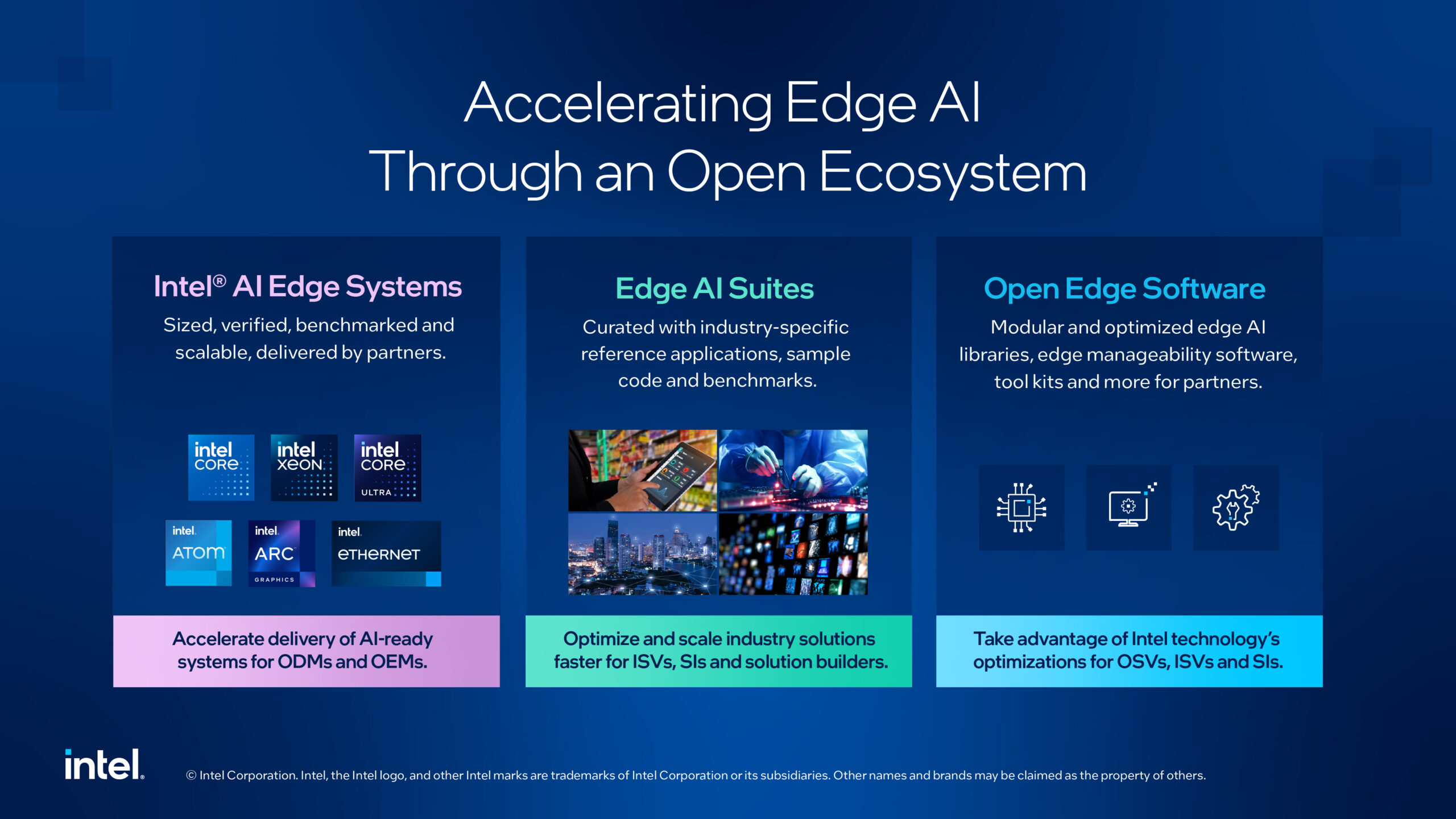
Key components of the architecture, as described in internal documents reviewed by industry analysts, include specialized processors tailored for AI workloads, enhanced firmware for real-time data filtering, and a modular design that allows integration with existing infrastructure. A technical white paper released by HP outlines how the system reduces data transmission bottlenecks by processing information locally before sending only critical insights to the cloud.
Who Is Involved in HP’s Initiative
HP’s edge AI project involves collaboration with several technology partners, including semiconductor manufacturers and software developers. While the company has not disclosed specific names, industry insiders suggest that partnerships with firms specializing in edge computing and AI chip design are central to the initiative. These collaborations aim to address the technical challenges of embedding AI capabilities into devices without compromising performance or energy efficiency.
The effort also reflects HP’s broader strategy to expand its footprint in the enterprise technology market. By focusing on edge AI, the company seeks to differentiate itself from competitors like Dell and Lenovo, which have also been investing in similar technologies. HP’s emphasis on hardware-software synergy positions it to capture a share of the growing edge computing market, projected to exceed $25 billion by 2028, according to a 2024 report by a leading market research firm.
When and Where HP Announced the Initiative
HP first disclosed details of the edge AI device structure during a press event in Singapore in March 2024. The announcement coincided with the company’s annual innovation summit, where executives highlighted plans to invest $2 billion over the next five years in edge computing and AI research. The event featured demonstrations of prototype devices, including smart sensors and industrial-grade workstations equipped with AI accelerators.
While the initiative is global in scope, HP has prioritized markets with high demand for edge solutions, such as Southeast Asia, Europe, and North America. The company cited the region’s rapid digital transformation and increasing adoption of IoT (Internet of Things) technologies as key drivers for its focus on edge AI. In Southeast Asia alone, the number of connected devices is expected to reach 1.2 billion by 2027, according to a 2023 study by a regional tech association.
Why This Matters: Implications for Technology and Industry
The shift toward edge AI represents a fundamental change in how data is processed and utilized. Unlike traditional cloud computing models, which rely on centralized servers, edge AI enables data to be analyzed closer to its source. This reduces latency, improves privacy, and minimizes bandwidth usage—critical advantages in applications where real-time responses are essential.
For businesses, the implications are profound. Manufacturers, for example, can use edge AI to monitor equipment in real time, predicting failures before they occur. In healthcare, edge-enabled devices could facilitate faster diagnostics by processing patient data locally, ensuring compliance with strict data regulations. Retailers might leverage the technology to enhance customer experiences through personalized recommendations based on in-store analytics.
However, the transition to edge AI also presents challenges. The need for specialized hardware and software updates could strain IT departments, particularly in smaller organizations. Additionally, the security of edge devices remains a concern, as their decentralized nature may create new vulnerabilities if not properly managed.
Industry Reactions and Expert Perspectives
The announcement has drawn mixed reactions from industry experts. Some praise HP’s move as a necessary evolution in the tech landscape, while others question the scalability of edge AI solutions. Dr. Elena Martinez, a senior analyst at a global tech consultancy, noted that “edge computing is no longer a niche concept—it’s becoming a cornerstone of modern infrastructure. HP’s focus on hardware integration could set a new standard for efficiency, but the long-term success will depend on how well they address security and interoperability issues.”
Competitors have also weighed in. A spokesperson for a rival tech firm stated, “HP’s announcement underscores the growing importance of edge AI, but it’s just one piece of a larger puzzle. Companies must balance innovation with practicality, ensuring that new solutions don’t create more problems than they solve.”
End-user feedback has been equally varied. Early adopters in the manufacturing sector have reported measurable improvements in operational efficiency, while some IT managers express concerns about the complexity of managing edge devices. “The potential is there, but we need more guidance on how to implement these systems effectively,” said a systems administrator at a mid-sized factory in Germany.
Comparing HP’s Approach to Competitors
HP’s edge AI strategy shares similarities with efforts by other major tech companies. For instance, Dell has been developing its own edge computing solutions, focusing on modular hardware and open-source software. Similarly, IBM has emphasized the use of AI at the edge for applications like smart cities and environmental monitoring. However, HP’s approach stands out for its emphasis on hardware-software integration, which the company claims reduces the need for third-party tools.
A comparison of market strategies reveals that HP is targeting a distinct segment of the edge computing market. While some competitors focus on enterprise-scale deployments, HP’s modular design appears tailored for smaller to mid-sized businesses that may lack the resources to build custom edge solutions. This positioning could give HP a competitive edge in markets where cost and flexibility are critical factors.
Challenges and Future Outlook
Despite its promise, HP’s edge AI initiative faces several hurdles. One of the primary challenges is ensuring compatibility across diverse hardware and software ecosystems. The company has acknowledged that standardization will be a key priority in the coming years, but achieving consensus among stakeholders may prove difficult.
