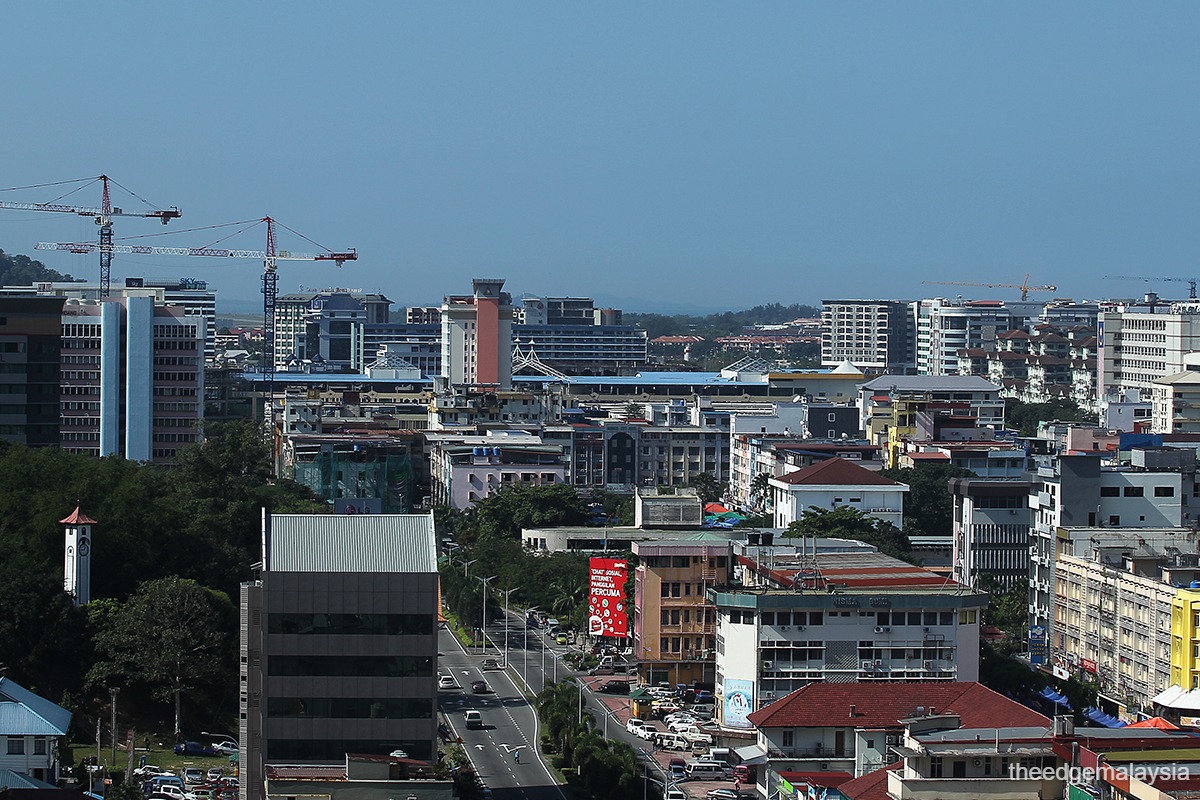
Malaysian Government Signals Openness to Strategic Cooperation for Sabah Special Economic Zone
The Malaysian government has confirmed it is open to cooperation on the Sabah Special Economic Zone (SEZ), a strategic initiative designed to accelerate industrialization and attract foreign direct investment (FDI) to East Malaysia. According to official government indications, this openness extends to partnerships with both state authorities and private sector investors to ensure the zone’s viability and integration into global supply chains.
What is the Sabah Special Economic Zone (SEZ)?
A Special Economic Zone (SEZ) is a designated geographic area where business and trade laws differ from the rest of the country. In the context of Sabah, the SEZ is intended to function as a catalyst for economic diversification, moving the state away from a heavy reliance on primary commodities like palm oil and petroleum toward high-value manufacturing and services.
The proposed Sabah SEZ aims to provide a streamlined regulatory environment. This typically includes tax incentives, simplified customs procedures, and flexible land-use policies. By creating a “bubble” of efficiency, the government intends to lower the barrier to entry for international firms that might otherwise be deterred by the logistical challenges of operating in East Malaysia.
Key objectives for the zone include:
- Attracting High-Tech Investment: Targeting sectors such as electronics, renewable energy, and digital economy services.
- Job Creation: Reducing unemployment and underemployment by providing skilled opportunities for the local Sabah workforce.
- Infrastructure Development: Using the SEZ as a focal point for upgrading ports, roads, and energy grids.
- Regional Trade Integration: Leveraging Sabah’s position within the BIMP-EAGA (Brunei-Indonesia-Malaysia-Philippines East ASEAN Growth Area) to become a trade hub.
Why is the federal government prioritizing cooperation on the Sabah SEZ?
The decision that the Govt open to cooperation on Sabah SEZ – The Edge Malaysia reports reflects a shift toward a more collaborative federal-state relationship. For decades, Sabah has advocated for greater autonomy and a fairer share of resource wealth. By supporting a state-led or state-partnered SEZ, the federal government acknowledges that local expertise is critical for the project’s success.
Economic disparity between Peninsular Malaysia and Sabah remains a persistent challenge. Infrastructure gaps in Sabah—specifically in electricity stability and road connectivity—have historically hampered industrial growth. Federal cooperation provides the necessary funding and regulatory backing to bridge these gaps, while state cooperation ensures the project aligns with local land rights and social needs.
Furthermore, the global shift in supply chains is creating an opportunity. As companies seek “China Plus One” strategies to diversify their manufacturing bases, Malaysia is competing with Vietnam, Thailand, and Indonesia. A specialized zone in Sabah allows Malaysia to offer a competitive alternative, utilizing Sabah’s proximity to other ASEAN markets.
| Feature | Standard Economic Zone | Proposed Sabah SEZ |
|---|---|---|
| Regulatory Framework | Standard national laws | Specialized, streamlined regulations |
| Taxation | Standard corporate tax | Potential tax holidays or reductions |
| Customs | Standard import/export protocols | Fast-track customs and duty exemptions |
| Governance | Centralized federal control | Collaborative Federal-State management |
How will the Sabah SEZ impact regional trade and investment?
The implementation of the SEZ is expected to transform Sabah from a resource-exporting region into a processing and logistics hub. By providing incentives for “downstream” activities—where raw materials are processed into finished goods within the zone—the state can capture more value from its natural resources.
Investment is likely to flow into several key sectors:
Green Energy and Sustainability
Sabah possesses significant potential for hydroelectric, solar, and biomass energy. An SEZ focused on green energy could attract firms specializing in the production of electric vehicle (EV) components or sustainable packaging, provided the federal government ensures a stable power grid. related explainer on Malaysian FDI policies
Agro-industrial Processing
Rather than exporting raw palm oil or rubber, the SEZ can host advanced refineries and chemical plants. This transition reduces vulnerability to global commodity price swings and creates higher-paying technical roles for the local population.
Logistics and Maritime Trade
Given its coastal geography, the SEZ can integrate with upgraded port facilities. This would allow Sabah to serve as a transshipment point for goods moving between the Philippines, Indonesia, and the rest of Asia, reducing the reliance on ports in Peninsular Malaysia.
Analysts suggest that the success of this trade shift depends on the “single window” concept—a digital system where investors can handle all permits and licenses in one place, removing the bureaucratic friction often associated with multi-layered government approvals.
What are the key requirements for successful SEZ implementation in Sabah?
Openness to cooperation is a starting point, but operational success requires concrete actions. Several critical pillars must be established to prevent the SEZ from becoming a “ghost zone” of empty warehouses.
“The success of a special economic zone is not measured by the land allocated, but by the quality of the incentives and the reliability of the infrastructure supporting it.”
Infrastructure Synchronization
The SEZ cannot operate in isolation. It must be synchronized with the Pan Borneo Highway and the modernization of Sabah’s airports and seaports. If goods cannot move efficiently from the factory to the ship, tax incentives become irrelevant.

Human Capital Development
There is a risk that foreign firms will bring in their own expatriate labor, leaving locals with only low-skilled roles. To avoid this, the government must cooperate with local universities and vocational colleges to create curricula specifically tailored to the industries targeted by the SEZ.
Legal and Land Certainty
Land tenure in Sabah is complex, involving native customary rights (NCR). Clear, transparent land acquisition and leasing frameworks are essential to provide investors with the long-term security they require for capital-intensive projects.
Political Stability and Policy Continuity
Investors prioritize predictability. A change in state or federal administration must not lead to a reversal of SEZ incentives. A legislative framework that codifies the SEZ’s status can protect the project from political volatility.
Who are the primary stakeholders in the Sabah SEZ development?
The development of the Sabah SEZ involves a complex web of stakeholders, each with different priorities. Coordination between these groups is the primary reason the federal government has emphasized “cooperation.”
- The Federal Government of Malaysia: Provides the overarching legal framework, national security oversight, and major funding for primary infrastructure.
- The Sabah State Government: Controls land use, manages local permits, and ensures the SEZ aligns with the “Sabah Maju Jaya” development plan.
- Private Developers: Responsible for the “last mile” infrastructure, such as factory buildings, utility connections, and zone management.
- Foreign Investors: The primary source of capital and technology, seeking stable returns and efficient operational environments.
- Local Communities: The group most affected by land use changes and the primary beneficiaries of new employment opportunities.
The interaction between these groups is often where delays occur. For example, a federal agency may approve a project, but state land offices may have different requirements for land conversion. The “cooperation” mentioned by the government suggests a move toward a joint task force to resolve these discrepancies in real-time.
Comparing the Sabah SEZ to other Malaysian Economic Hubs
To understand the potential of the Sabah SEZ, it is useful to compare it to previous models like Iskandar Malaysia in Johor or the various Free Industrial Zones (FIZs) in Penang. While the goals are similar—attracting FDI and boosting GDP—the context in Sabah is vastly different.
Penang’s success was built on a cluster effect in electronics, where one major firm attracted a whole ecosystem of suppliers. Sabah does not yet have a dominant industrial cluster. Therefore, the Sabah SEZ may need to be more diversified or more aggressively targeted toward a specific niche, such as the “Blue Economy” (ocean-based economic activity).
Unlike Iskandar Malaysia, which benefited from its proximity to Singapore, Sabah’s advantage is its proximity to the BIMP-EAGA region. This means the Sabah SEZ must be designed not just for national growth, but as a gateway for cross-border trade with Indonesia and the Philippines. related report on Sabah infrastructure projects
Addressing Common Misconceptions About SEZs
There are often misunderstandings regarding how Special Economic Zones function and their impact on the broader economy. Clarifying these is essential for public and investor confidence.
Misconception 1: SEZs are “lawless” areas.
Some believe that “different laws” means the absence of law. In reality, SEZs typically apply specialized laws regarding taxes and customs, while national laws regarding criminal justice, labor safety, and environmental protection still apply. The goal is efficiency, not deregulation of safety or ethics.
Misconception 2: SEZs only benefit foreign companies.
While FDI is a primary driver, the goal of the Sabah SEZ is to create a “multiplier effect.” Local SMEs (Small and Medium Enterprises) act as suppliers to the large firms in the zone. If a global electronics firm sets up in the SEZ, local firms providing packaging, logistics, and maintenance also grow.
Misconception 3: SEZs automatically create wealth.
Land designation does not equal economic growth. Many countries have “paper SEZs” that fail because they lack infrastructure or have corrupt management. The federal government’s emphasis on cooperation is an admission that simply declaring a zone is insufficient; it must be managed actively.
Frequently Asked Questions
What does “Govt open to cooperation on Sabah SEZ” actually mean for investors?
It indicates that the Malaysian federal government is willing to negotiate terms, provide regulatory support, and potentially co-fund infrastructure to make the zone attractive. It signals a reduction in bureaucratic friction between the federal and state levels, making it easier for investors to obtain necessary approvals.
Will the Sabah SEZ provide tax breaks?
While specific packages are typically announced during the official launch, SEZs in Malaysia generally offer corporate tax exemptions for a set number of years (tax holidays), import duty exemptions on raw materials, and incentives for reinvesting profits into the local economy.

How does the Sabah SEZ differ from a Free Trade Zone (FTZ)?
An FTZ focuses primarily on the movement of goods—importing, processing, and re-exporting without paying duties. An SEZ is broader; it encompasses not just trade, but urban planning, residential development, specialized labor laws, and comprehensive industrial strategies to develop an entire region.
Who will manage the day-to-day operations of the zone?
Typically, an SEZ is managed by a dedicated authority or a corporation (often a public-private partnership). This body acts as a “one-stop center” for investors, handling everything from land leases to utility connections, reducing the need for companies to deal with multiple government ministries.
When will the Sabah SEZ be fully operational?
The timeline depends on the completion of the cooperation frameworks between the federal and state governments. The process involves site selection, environmental impact assessments, and the drafting of specific regulations before the first phase of infrastructure is built.
Monitoring the Path Forward
The announcement that the government is open to cooperation marks a critical transition from conceptual planning to operational design. The next phase will likely involve the publication of a detailed Master Plan, which will specify the exact boundaries of the zone and the “priority sectors” that will receive the most aggressive incentives.
Observers should watch for three key indicators of progress: the establishment of a joint federal-state steering committee, the announcement of the first “anchor tenants” (large companies that commit to the zone), and the allocation of specific budget lines in the national budget for Sabah’s SEZ infrastructure. If these elements materialize, the Sabah SEZ could realistically shift the economic center of gravity in East Malaysia, turning a resource-rich state into an industrial powerhouse.
