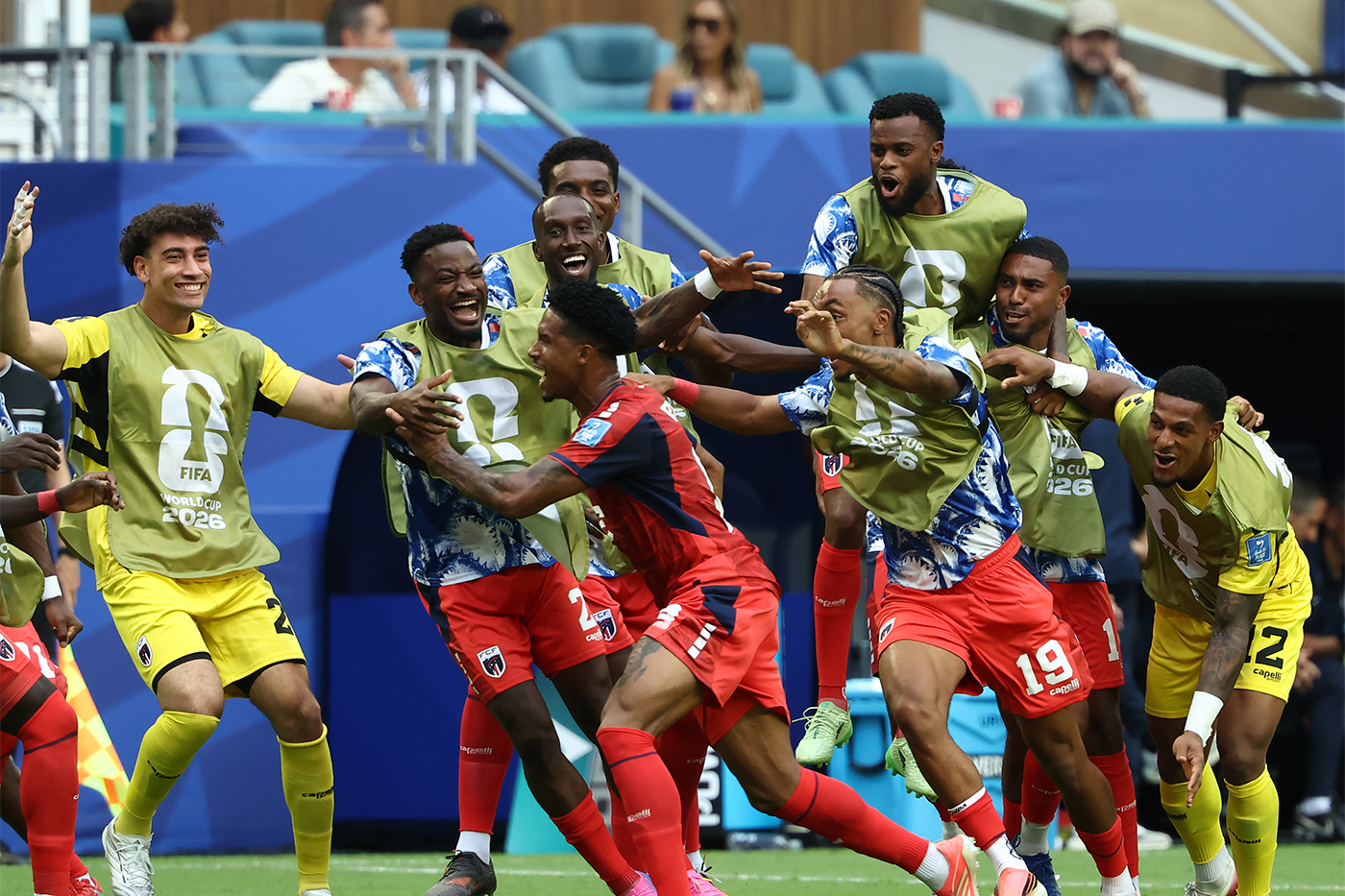
‘Fairytale game.’ The data shows how Cape Verde does it again.
Cape Verde secured a critical draw against Uruguay in the 2026 World Cup qualifiers, with a strike from Varela ensuring the result. According to reports from The Guardian and BBC, this outcome maintains Cape Verde’s remarkable unbeaten run and positions the team on the brink of knockout stage qualification.
The Match: Varela Strike Seals Draw Against Uruguay
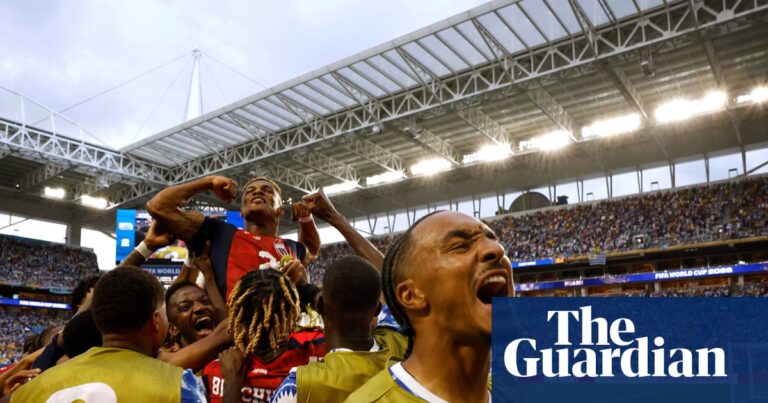
Cape Verde fought back to earn their second draw of the World Cup qualifying campaign in a match defined by resilience and tactical discipline. The game reached its climax when Varela scored the equalizing goal, a strike that The Guardian characterized as a “shock” result that keeps the team’s momentum alive.
Uruguay entered the fixture as heavy favorites, utilizing their traditional aggressive press and superior squad depth. However, Cape Verde maintained a compact defensive shape that frustrated the South American side for the majority of the contest. According to BBC reporting, the match was a test of endurance, with Cape Verde refusing to collapse under sustained pressure before finding the clinical edge needed to split the Uruguay defense.
The goal by Varela did more than just secure a single point; it validated a strategic approach of absorbing pressure and striking on the counter-attack. This pattern has become a hallmark of Cape Verde’s recent performances, turning what many expected to be a routine victory for Uruguay into a “fairytale game” for the island nation.
| Match Metric | Cape Verde | Uruguay |
|---|---|---|
| Result | Draw | Draw |
| Key Scorer | Varela | N/A (Equalized) |
| Status | Near Knockout Qualification | Point Dropped |
| Run Status | Remarkable Run Alive | Momentum Stalled |
How Cape Verde is Defying the Odds
The narrative of the “fairytale” is supported by data showing a significant shift in how Cape Verde manages high-stakes matches against elite opposition. Analysis of the game suggests that Cape Verde does not rely on luck, but on a specific set of tactical efficiencies.
First, the team has mastered the art of the “low block.” According to the match analysis provided by Euronews, Cape Verde focused on neutralizing the central corridors of the pitch, forcing Uruguay to play wide and deliver crosses that were routinely cleared by the Cape Verdean center-backs. This defensive stability allows them to conserve energy for the final twenty minutes of each half.
Second, the transition speed from defense to attack has improved. The Varela goal was the result of a rapid sequence of passes that bypassed the Uruguayan midfield. This ability to transition in seconds is what allows a team with lower overall possession to remain competitive. Dawn reports that this “fight back” mentality has become a psychological weapon for the squad, as they now enter matches expecting to survive and eventually thrive against superior rankings.
Key Factors in the Cape Verdean Success:
- Defensive Compactness: Minimizing space between the midfield and defensive lines.
- Clinical Finishing: Maximizing limited opportunities, as evidenced by Varela’s strike.
- Psychological Resilience: Maintaining composure while trailing or under heavy pressure.
- Tactical Discipline: Strict adherence to the game plan regardless of the opponent’s stature.
Path to World Cup 2026: Qualification Status
The draw against Uruguay has significant implications for the 2026 World Cup qualification standings. According to BBC, Cape Verde is now “near knockout qualification,” meaning they are within striking distance of the final stages of the tournament’s qualifying process.
The 2026 World Cup features an expanded format, which has opened doors for smaller nations. Cape Verde has leveraged this change by treating every match as a final. By securing draws against powerhouse teams like Uruguay, they accumulate points that are often the difference between qualification and elimination in tight group stages.
For Cape Verde, the “remarkable run” mentioned by The Guardian is not just about avoiding defeat; it is about the accumulation of confidence. Each result against a top-tier nation reduces the perceived gap in quality, making the prospect of appearing at the World Cup a mathematical probability rather than a distant dream.
Related explainer on World Cup 2026 qualification formats.
Uruguay’s Struggle Against the Underdog
For Uruguay, the draw represents a missed opportunity and a tactical failure to break down a disciplined opponent. Despite controlling the tempo and possession, the South American giants struggled to convert dominance into goals.
Reports from Dawn indicate that Uruguay’s inability to secure a win against Cape Verde highlights a vulnerability to teams that can maintain a rigid defensive structure. The “shock” of the result stems from the disparity in global rankings and historical success, yet the on-pitch data shows a clash of styles where the underdog’s efficiency outweighed the favorite’s volume of play.
This result forces Uruguay to re-evaluate their approach to teams that employ a deep defensive line. The inability to find a winning goal against Cape Verde suggests a lack of creativity in the final third when faced with a team that refuses to leave gaps in the defense.
The Broader Impact on International Football
The success of Cape Verde reflects a wider trend in international football where the gap between traditional powers and emerging nations is closing. This phenomenon is often driven by better scouting, the integration of diaspora players, and a more scientific approach to sports data.
When The Guardian describes the run as “remarkable,” it refers to the systemic rise of the team. Cape Verde is no longer viewed as a team that occasionally produces a fluke result. Instead, they are recognized as a cohesive unit capable of executing a complex tactical plan under pressure.
This shift has several implications for the 2026 tournament:
- Diversification of Talent: More nations from Africa and smaller regions are likely to qualify, bringing new styles of play to the global stage.
- Strategic Evolution: The “low block and counter” strategy is becoming more refined, forcing elite teams to develop new ways to break down stubborn defenses.
- Increased Investment: Success on the pitch often leads to increased funding for youth academies and infrastructure within smaller footballing nations.
Correcting Misconceptions About the ‘Fairytale’
A common oversimplification is to label Cape Verde’s results as “luck” or “flukes.” However, the data suggests otherwise. A “fairytale” in sports often implies a series of accidents, but the consistency of Cape Verde’s run indicates a deliberate structural build.
Critics often point to the disparity in squad value, but match data shows that value does not always correlate with efficiency. According to the tactical patterns observed in the Uruguay match, Cape Verde played a high-percentage game. They did not attempt risky plays in their own half and waited for the exact moment of Uruguayan fatigue to launch their attack.
Furthermore, the term “shock” is used by outlets like The Guardian and Euronews to describe the result relative to expectations, not the quality of the play. The play was disciplined, planned, and executed. The shock lies in the fact that a small island nation can now consistently compete with one of the most successful footballing nations in history.
Comparing the Narrative Across Outlets
Different news organizations have framed this event through various lenses, providing a comprehensive view of the match’s significance.
The Guardian and Euronews focused heavily on the “shock” element, emphasizing the emotional and historical weight of the result. They framed the story as a disruption of the established order in football. In contrast, the BBC and Dawn focused more on the practicalities of the qualification race, highlighting how the draw moves Cape Verde closer to the knockout stages.
This contrast shows that while the “fairytale” aspect captures the public imagination, the underlying reality is a calculated climb up the international rankings. One outlet sees a miracle; the other sees a successful tactical execution.
Related analysis on the rise of African football in global tournaments.
What to Watch for in Upcoming Fixtures
As Cape Verde moves closer to knockout qualification, the scrutiny on their tactical approach will increase. Opponents will now have more data on how to break through their defensive shell.
The key question remains whether Cape Verde can evolve their game to be more proactive. While the “absorb and strike” method worked against Uruguay, they may face teams that are equally comfortable playing a low block, which would require Cape Verde to take the initiative and create chances from a position of dominance.
Additionally, the fitness of key players like Varela will be critical. In a “remarkable run,” the physical toll of playing high-intensity defensive games can lead to late-stage fatigue, which is often when the “fairytale” ends. Their ability to manage squad rotation while maintaining tactical discipline will determine if they actually reach the 2026 World Cup.
Frequently Asked Questions
How did Cape Verde draw with Uruguay?
Cape Verde utilized a disciplined defensive structure to neutralize Uruguay’s attack and secured the draw with a late goal from Varela. According to reports from The Guardian and BBC, the team focused on defensive resilience and efficient counter-attacking.
What does this result mean for Cape Verde’s World Cup 2026 hopes?
The draw puts Cape Verde “near knockout qualification,” according to the BBC. It maintains an unbeaten run that significantly improves their chances of qualifying for the 2026 tournament.
Who scored the goal for Cape Verde?
The equalizing goal was scored by Varela, a strike that sealed the draw and is cited by multiple sources as the pivotal moment of the match.
Is Cape Verde considered an underdog in this competition?
Yes, based on global rankings and historical data, Cape Verde is an underdog. However, outlets like Euronews and The Guardian note that their “remarkable run” is based on tactical discipline rather than luck.
What is the significance of the “fairytale” label?
The “fairytale” label refers to the unlikely success of a small nation competing with and drawing against global powerhouses like Uruguay, defying traditional expectations of international football.
