Iran Agrees to Destroy Enriched Uranium Stockpile Under New U.S. Memorandum of Understanding
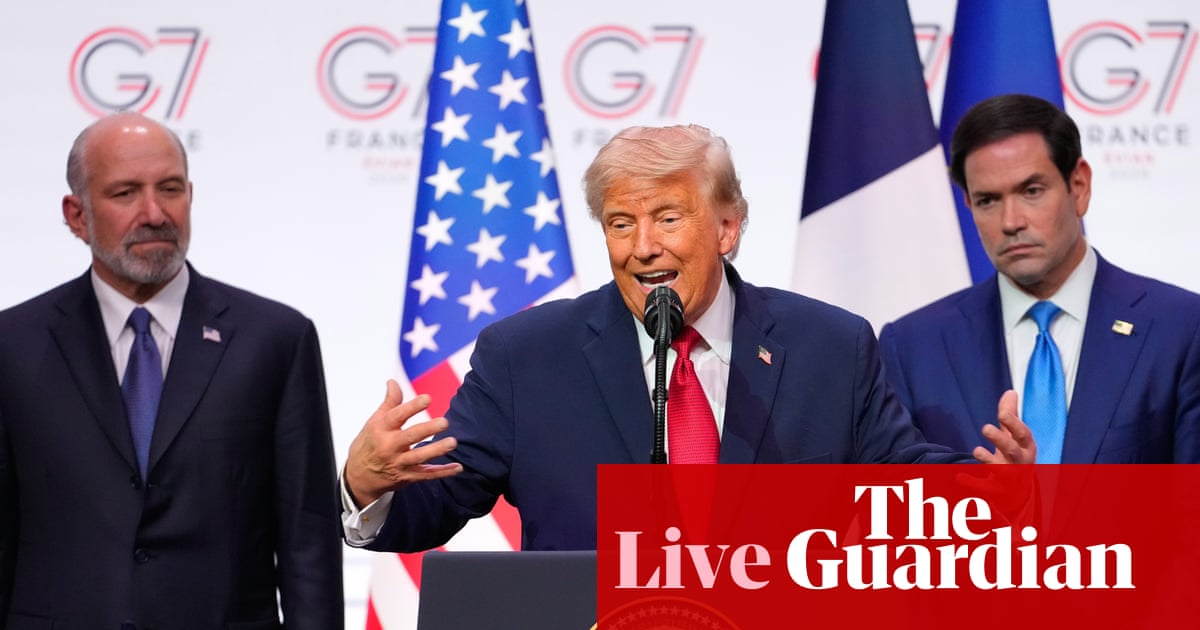
Iran has agreed to destroy its stockpile of enriched uranium as part of a 14-point agreement intended to end the conflict between the two nations, according to a memorandum read out by U.S. officials. The deal includes the reopening of the Strait of Hormuz and the lifting of U.S. sanctions on Iran, officials stated.
What are the terms of the U.S.-Iran memorandum of understanding?
The core of the agreement centers on the immediate reduction of Iran’s nuclear capabilities. According to the memorandum read out by U.S. officials, Iran has committed to the total destruction of its enriched uranium stockpile. This move is designed to move Iran further away from the threshold of developing a nuclear weapon.
Beyond nuclear disarmament, the agreement is structured as a 14-point deal aimed at a comprehensive cessation of war. NBC News reports that the United States will lift sanctions against Iran in exchange for these concessions. A critical component of the security arrangement involves the Strait of Hormuz; the deal mandates the reopening of this vital waterway to ensure the unrestricted flow of global oil shipments.
The full text of the U.S.-Iran memorandum of understanding has been highlighted as a primary document for understanding the new diplomatic trajectory, as reported by Axios. While the broad strokes involve sanctions relief and nuclear rollbacks, the specific technical benchmarks for “destruction” of the uranium remain a point of scrutiny for international observers.
“Trump vows to release text of Iran agreement ‘in a couple of days’ as key questions remain,” according to reports from CNN.
When will the full text of the Iran deal be released?
The timeline for the public release of the agreement is narrow. Donald Trump has stated that the text of the agreement will be made available “in a couple of days,” according to CNN. This suggests a rapid transition from the memorandum stage to a public disclosure of the full terms.
Adding to this timeline, J.D. Vance indicated that the deal could be released before Friday, according to the BBC. This deadline puts pressure on diplomatic channels to finalize the language of the 14-point deal and ensure that both Washington and Tehran are aligned on the implementation schedule.
The urgency of the release stems from several unresolved questions regarding the verification process. Specifically, officials have not yet detailed how the destruction of the uranium will be monitored or which international bodies will certify the process.
How does the 14-point deal address the Middle East crisis?
The 14-point deal is framed not merely as a nuclear agreement, but as a peace treaty to end the broader “Iran war.” By addressing multiple friction points simultaneously, the administration seeks a systemic resolution rather than a piecemeal one.

The agreement targets three primary pillars of the crisis:
- Nuclear Proliferation: The destruction of enriched uranium serves as the primary security guarantee for the U.S. and its regional allies.
- Economic Warfare: The lifting of sanctions is intended to reintegrate Iran into the global economy, removing the primary driver of Iranian economic instability.
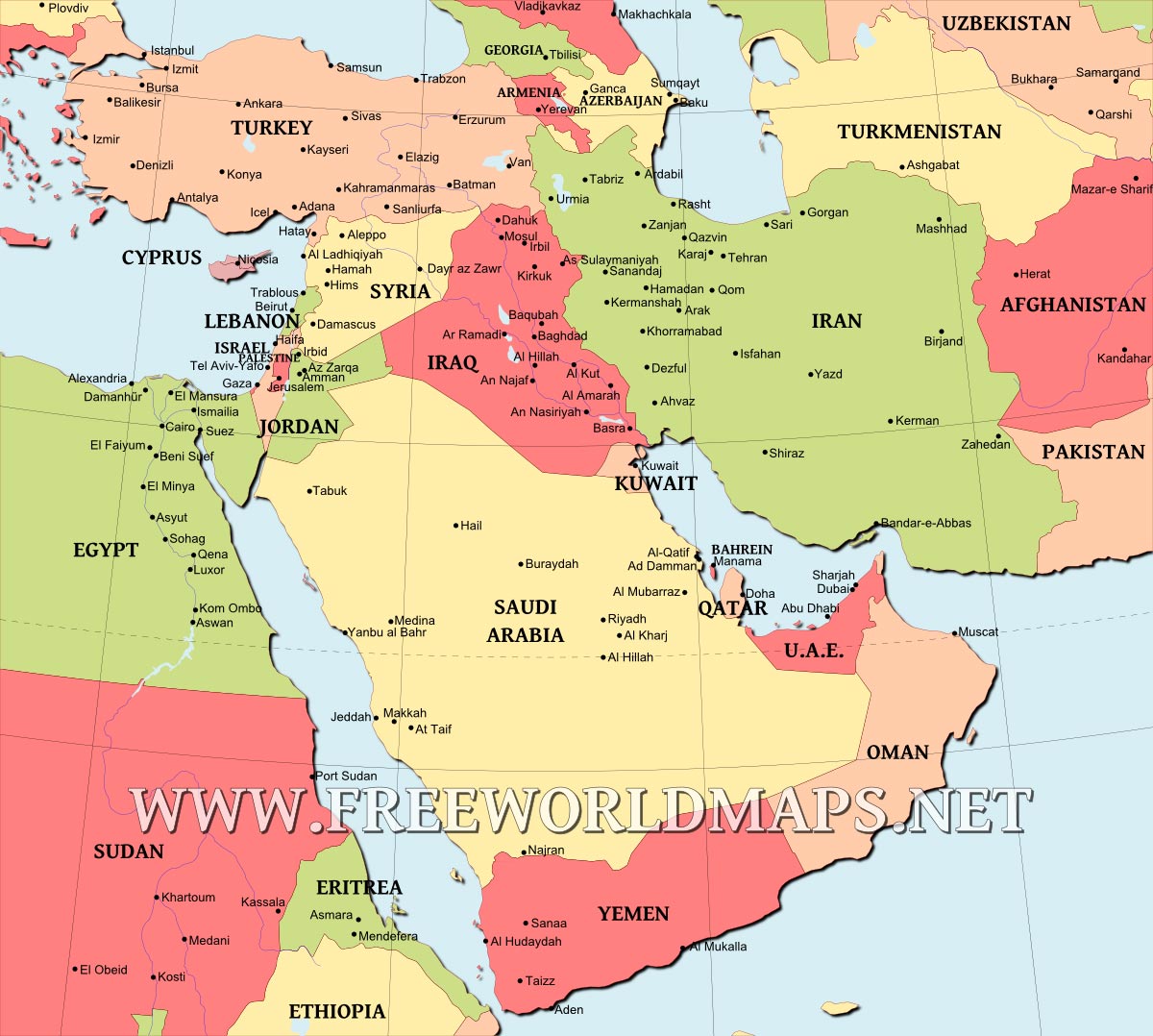
- Maritime Security: Reopening the Strait of Hormuz addresses a global economic vulnerability, as a significant portion of the world’s petroleum passes through this narrow chokepoint.
By linking these three elements, the U.S. is utilizing a “grand bargain” strategy. According to the framework reported by NBC News, the removal of sanctions is directly contingent upon the decommissioning of nuclear materials and the cessation of hostilities in the region.
| Action Item | Iranian Commitment | U.S. Commitment |
|---|---|---|
| Nuclear Status | Destroy enriched uranium stockpile | Verification and monitoring |
| Trade & Economy | End regional hostilities | Lift economic sanctions |
| Maritime Access | Ensure open passage in Hormuz | Restore diplomatic/trade channels |
Why is the destruction of enriched uranium significant?
Enriched uranium is the essential ingredient for both nuclear power and nuclear weapons. The degree of enrichment determines the use; low-enriched uranium is used for energy, while highly enriched uranium (HEU) is required for a warhead. By agreeing to destroy its stockpile, Iran is effectively resetting its “breakout time”—the time required to produce enough fissile material for a single nuclear bomb.
This concession is a departure from previous years of Iranian nuclear escalation. For the U.S., the physical destruction of the material is a more permanent guarantee than a mere promise to stop further enrichment. It removes the immediate threat of a nuclear-armed Iran, which has been a central objective of U.S. foreign policy in the Middle East for decades.
The implications extend beyond the U.S. border. Regional powers, particularly in the Gulf, view the uranium stockpile as a direct existential threat. The destruction of these materials may lower the regional arms race, though the 14-point deal’s success depends on whether these measures are permanent or temporary.
The role of the Strait of Hormuz in global stability
The agreement to reopen the Strait of Hormuz is a critical economic win. The Strait is the world’s most important oil transit chokepoint. Any closure or disruption in this area typically leads to an immediate spike in global crude oil prices, affecting everything from gasoline costs in the U.S. to industrial energy costs in Asia.
By incorporating the Strait’s status into the memorandum, the U.S. is treating maritime security as a currency for nuclear disarmament. This link suggests that the U.S. views the threat of oil disruption as a primary lever in its negotiations with Tehran.
Comparing the current memorandum to previous nuclear frameworks
This new 14-point deal differs from previous iterations of U.S.-Iran diplomacy in its scope and speed. While the 2015 Joint Comprehensive Plan of Action (JCPOA) focused heavily on limits, quotas, and long-term monitoring, the current memorandum emphasizes the destruction of existing stockpiles and the immediate end of a state of war.
According to the reporting from NBC News and CNN, the current approach is more transactional. The “14 points” suggest a broader set of demands and concessions that go beyond the nuclear sphere to include regional security and the immediate lifting of sanctions. This is a contrast to the JCPOA, which was a multi-national agreement involving the E3 (UK, France, Germany), Russia, and China.
Furthermore, the timeline for implementation appears accelerated. The promise by Donald Trump to release the text “in a couple of days” and J.D. Vance’s mention of a Friday deadline indicate a desire for a rapid “deal-closing” rather than the years of protracted negotiation that characterized previous efforts.
For more context on how these diplomatic shifts affect regional stability, see our related explainer on Middle East geopolitical alignments.
Potential obstacles to the agreement’s success
Despite the optimistic read-out from U.S. officials, several hurdles remain. The first is verification. The memorandum states Iran agrees to destroy the uranium, but it does not specify who will witness the destruction. Without International Atomic Energy Agency (IAEA) oversight, the international community may remain skeptical of the claims.
The second obstacle is the “snapback” mechanism. A recurring issue in U.S.-Iran relations is the fear that sanctions will be reimposed if one side perceives a breach of the agreement. The 14-point deal must clearly define what constitutes a violation and what the remedy is to avoid a return to hostilities.
Finally, there is the internal political pressure within both nations. In the U.S., some policymakers may view the lifting of sanctions as too great a concession. In Iran, hardliners may view the destruction of the uranium stockpile—a symbol of national scientific achievement and strategic leverage—as a surrender.
Key points of contention to monitor:
- Verification: Will the IAEA be granted full access to verify the destruction of the stockpile?
- Sanctions Timeline: Will sanctions be lifted all at once, or in phases tied to uranium destruction milestones?
- Regional Proxies: Does the “end of war” include a commitment from Iran to cease support for regional proxy groups?
What this means for the global economy
The immediate impact of this memorandum is likely to be felt in the energy markets. The commitment to keep the Strait of Hormuz open removes a significant “risk premium” from the price of oil. Traders typically bake the possibility of a Hormuz closure into the price of Brent and WTI crude; the removal of this threat could lead to price stabilization or a decrease in volatility.
Additionally, the lifting of sanctions opens the door for Iranian oil to return to the global market. This increase in supply could further dampen prices, providing relief to importing nations but potentially creating tension with other OPEC+ members who may wish to keep supply tight to maintain high prices.
For investors, the “14-point deal” signals a shift from a war footing to a trade footing in the Middle East. This could trigger a surge in infrastructure and energy investments in the region, provided the agreement holds.
Frequently Asked Questions
What exactly is Iran destroying?
According to U.S. officials, Iran has agreed to destroy its stockpile of enriched uranium. This refers to uranium that has undergone the enrichment process to increase the concentration of the isotope U-235, which is necessary for nuclear fuel or weapons.
When will the public see the full agreement?
Donald Trump has stated the text will be released “in a couple of days,” and J.D. Vance suggested it may be released before Friday, according to CNN and BBC reports.
What is the “14-point deal”?
As reported by NBC News, it is a comprehensive agreement seeking to end the war between the U.S. and Iran. It includes the destruction of nuclear materials, the lifting of U.S. sanctions, and the reopening of the Strait of Hormuz.
Will sanctions be lifted immediately?
The memorandum indicates that the U.S. will lift sanctions as part of the deal, though the specific timing—whether it is immediate or phased—will be clarified in the full text of the agreement.
Why is the Strait of Hormuz mentioned in a nuclear deal?
The Strait of Hormuz is a critical global oil chokepoint. Including its reopening in the deal links Iran’s nuclear concessions to global economic security, ensuring that oil flows are not used as a weapon during the disarmament process.
The trajectory of the Middle East crisis now depends on the transition from this memorandum to a verified, implemented agreement. The coming days, specifically the window before Friday, will determine if this 14-point framework can translate into a lasting peace or if it will face the same collapse as previous diplomatic efforts. For further analysis on international trade impacts, refer to our detailed report on global sanctions frameworks.
