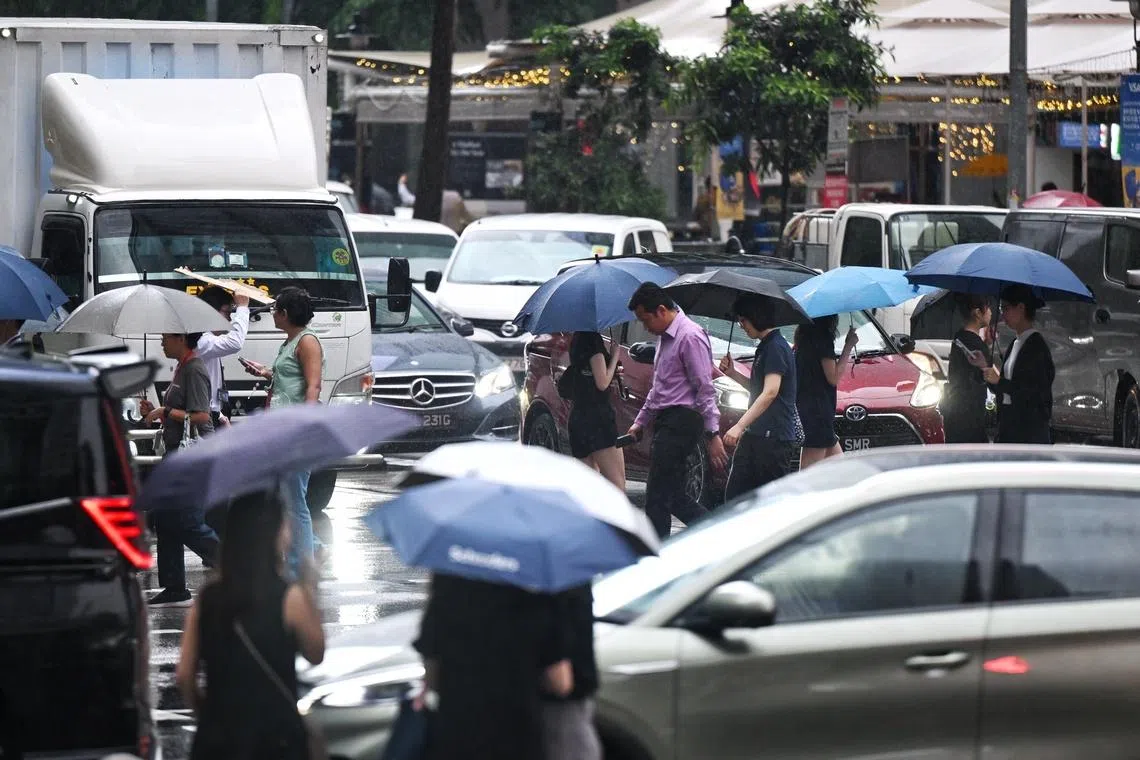
Singapore Records 20.1 Degrees Celsius: Lowest Temperature of 2026 Triggers ‘Sweater Weather’
Temperature in Singapore dropped to 20.1 degrees Celsius, marking the lowest recording for 2026. This dip, attributed to seasonal meteorological patterns, prompted residents to adopt “sweater weather” attire as the city-state experienced an atypical cooling trend. The reading represents a significant departure from the city’s typical tropical baseline.
What caused the temperature to fall to 20.1 degrees Celsius in Singapore?
The drop to 20.1 degrees Celsius is primarily linked to the influence of the Northeast Monsoon. According to meteorological data, this season typically brings a surge of cool, moist air from the Asian mainland toward Southeast Asia. When strong cold surges originate from Siberia or Northern China, they can push lower-temperature air masses southward, resulting in the “cold snaps” experienced by the Singaporean population.
These surges often coincide with increased cloud cover and heavy precipitation. The lack of direct solar radiation during these periods prevents the ground from heating up, while the wind carries the cooler air across the island. This combination creates the specific conditions necessary for temperatures to dip toward the 20-degree mark, a rarity for a region situated nearly one degree north of the equator.
Meteorological reports indicate that the 20.1 degrees Celsius mark was reached during a period of sustained wind and rain, which accelerated the cooling effect. In such scenarios, the “real feel” temperature often drops further due to wind chill, making the environment feel considerably colder than the thermometer suggests.
- Northeast Monsoon: The primary driver of seasonal cooling in Singapore.
- Siberian Cold Surges: High-pressure systems in North Asia that push cold air southward.
- Cloud Cover: Dense clouds that block sunlight and maintain lower surface temperatures.
- Precipitation: Rain that further cools the air and land through evaporative cooling.
How does 20.1 degrees Celsius compare to Singapore’s average temperatures?
A reading of 20.1 degrees Celsius is significantly below the historical average for Singapore. Most days in the city-state see minimum temperatures ranging between 23 and 26 degrees Celsius. A drop to approximately 20 degrees represents a deviation of 3 to 6 degrees from the norm, which is a substantial shift in a tropical climate where temperature variance is usually minimal.
Historically, temperatures in the low 20s are reserved for the peak of the Northeast Monsoon, typically occurring between December and February. While 20.1 degrees is the lowest for 2026 so far, it aligns with rare but documented cold spells that occur every few years. These events often trigger a widespread social response, as the local population is not acclimated to temperatures this low.
| Temperature Metric | Typical Range (°C) | 2026 Low Recording (°C) | Variance |
|---|---|---|---|
| Daily Minimum | 23.0 – 26.0 | 20.1 | -2.9 to -5.9 |
| Daily Maximum | 30.0 – 33.0 | Varies | N/A |
| Average Low (Dec-Feb) | 23.5 | 20.1 | -3.4 |
Why is this referred to as ‘sweater weather’ in a tropical city?
The term “sweater weather” has become a colloquialism in Singapore to describe any period where temperatures drop below the 23-degree threshold. Because the majority of Singaporean homes and public spaces are designed for heat dissipation and cooling, a drop to 20.1 degrees Celsius makes indoor and outdoor environments feel chilly to those accustomed to constant humidity and heat.
According to social media trends and retail observations, these temperature dips lead to a visible shift in public attire. Residents frequently bring out cardigans, hoodies, and light jackets—items that otherwise remain stored for travel to colder climates. This phenomenon is as much a cultural response as it is a physical one; the novelty of the cold creates a shared experience among the population.
“The sudden drop to 20.1 degrees Celsius transforms the city’s atmosphere, turning a typical humid day into something that feels like a temperate autumn.”
This shift in behavior also impacts local commerce. Retailers often report a spike in the sale of light knitwear and warm beverages during these windows. The “sweater weather” trend highlights the sensitivity of the local population to even minor temperature fluctuations, as the lack of seasonal variety makes any change feel significant.
What are the health and infrastructure implications of such a temperature drop?
While 20.1 degrees Celsius is not dangerously cold by global standards, it can have specific effects on a population not adapted to the cold. Health practitioners note that sudden temperature drops can lead to an increase in respiratory issues, such as the common cold or flu, as the body reacts to the change in environment. Additionally, those with certain joint conditions may experience increased stiffness during cold snaps.
From an infrastructure perspective, Singapore’s buildings are optimized for cooling. When temperatures drop significantly, the reliance on air conditioning decreases, which can lead to a temporary dip in electricity consumption for cooling. However, the psychological need for warmth may lead some to use portable heaters, though this is rare in Singaporean households.
Public transport, particularly the Mass Rapid Transit (MRT) system, often feels colder during these periods. Since the trains are air-conditioned to a set temperature, the combination of a lower external temperature and internal cooling can make the commute feel significantly chillier than usual. This often leads to “layering,” where commuters wear jackets that they remove upon reaching their destination.
Common Health Reactions to Tropical Cold Snaps
- Respiratory Sensitivity: Increased reports of runny noses and sneezing.
- Skin Dryness: Lower humidity accompanying cold surges can lead to drier skin.
- Joint Discomfort: Increased stiffness in older adults or those with arthritis.
- Immune Response: The body’s attempt to regulate temperature can leave some individuals more susceptible to seasonal viruses.
How does this event fit into broader climate patterns for 2026?
The recording of 20.1 degrees Celsius as the lowest so far in 2026 fits into the broader context of the Northeast Monsoon’s variability. While the temperature drop is a localized event, it is often a symptom of larger atmospheric pressures in the Northern Hemisphere. If the Siberian High remains strong and stable, the frequency of these cold surges into Southeast Asia can increase.
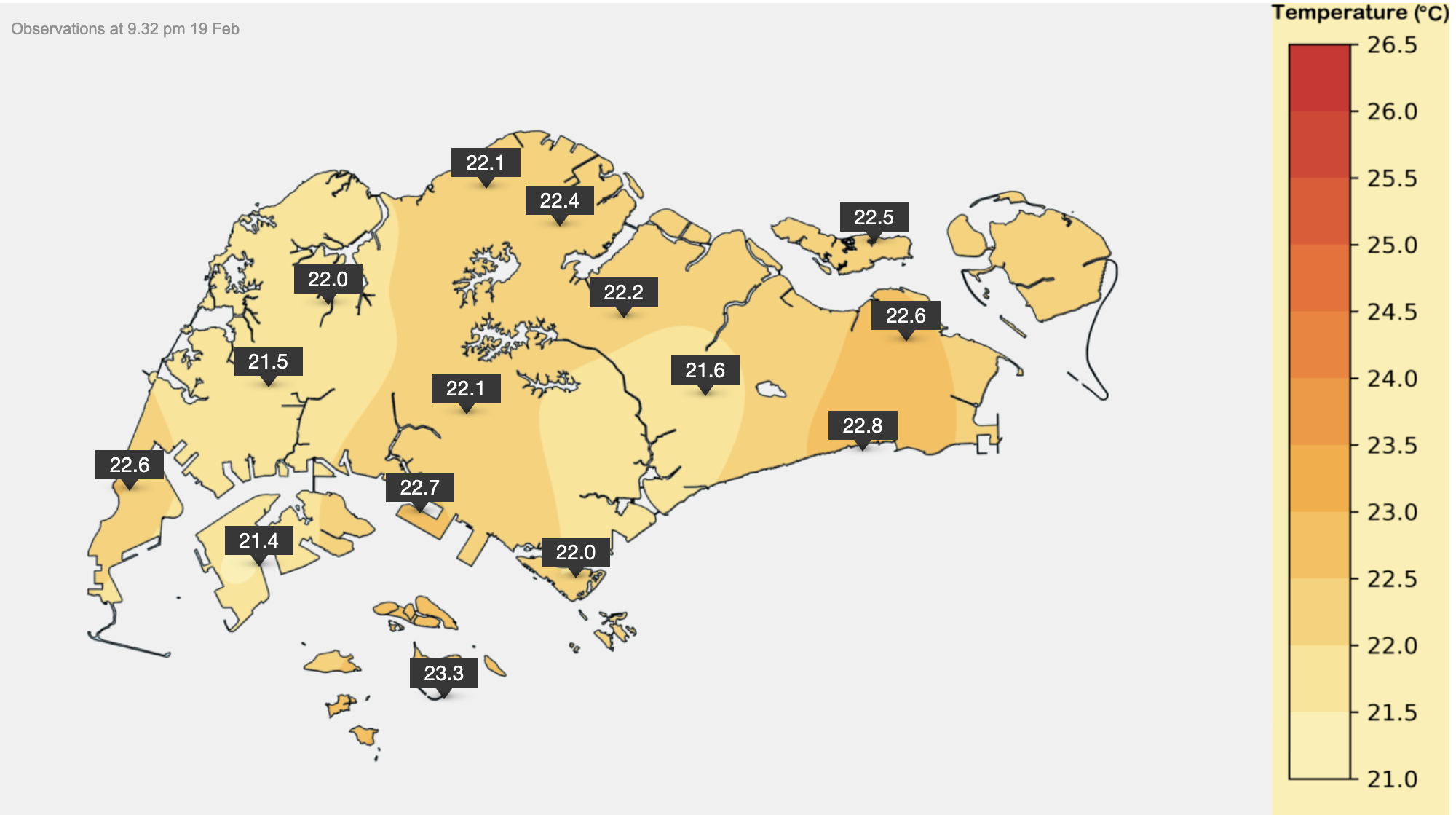
Climate analysts suggest that while these cold snaps are seasonal, their intensity can be influenced by larger cycles such as El Niño or La Niña. During La Niña years, for example, the region often experiences more rainfall and slightly cooler temperatures due to increased moisture and cloud cover. The 20.1-degree reading serves as a data point for meteorologists tracking the strength of the current monsoon season.
Comparing this to previous years, the 2026 low suggests a robust monsoon phase. When temperatures hit the 20-degree mark, it indicates that the cold air mass has penetrated deeply into the tropics without being diluted by the surrounding warm ocean currents. This provides a clear indicator of the atmospheric “bridge” created between the cold north and the tropical south.
For more information on how these patterns affect the region, see our related explainer on Northeast Monsoon cycles.
What are the common misconceptions about cold weather in Singapore?
One common misconception is that a drop to 20.1 degrees Celsius indicates a permanent shift in climate or a “mini ice age.” In reality, these are transient events. The temperature usually rebounds to the mid-20s within a few days as the cold surge passes and the tropical sun returns.
Another misconception is that the humidity disappears during these cold snaps. While the air may feel “crisper,” Singapore remains a high-humidity environment. The sensation of cold is often amplified by the moisture in the air, which conducts heat away from the body more efficiently than dry air would. This is why 20.1 degrees Celsius in Singapore can feel colder than 20 degrees Celsius in a dry climate.
Finally, some believe that these temperature drops are solely due to local rain. While rain contributes to the cooling, the primary driver is the large-scale movement of air masses from the north. Without the Siberian cold surge, rain alone would rarely push temperatures down to 20.1 degrees Celsius.
How should residents prepare for similar temperature dips?
Since these events are typically short-lived, preparation is generally minimal. However, those sensitive to the cold are encouraged to keep light layers accessible. Layering is more effective than wearing one heavy garment, as it allows for easy adjustment when moving between the chilly outdoors and warm indoor environments.
Maintaining hydration and using moisturizers can help combat the slight drop in humidity that often accompanies these cold surges. For those with respiratory conditions, staying warm and avoiding sudden exposure to cold drafts can prevent the exacerbation of symptoms.
Monitoring official weather updates remains the best way to anticipate these dips. Meteorological agencies typically provide forecasts that indicate when a cold surge is expected to hit, allowing residents to prepare their “sweater weather” wardrobe in advance.
Quick Guide to Managing ‘Sweater Weather’
- Layer Clothing: Use a combination of t-shirts and cardigans or hoodies.
- Hydrate: Drink warm fluids to maintain internal body temperature.
- Skin Care: Apply lotion to prevent dryness caused by cooler, drier air.
- Monitor Forecasts: Check daily updates for cold surge warnings.
Frequently Asked Questions
What is the lowest temperature ever recorded in Singapore?
While 20.1 degrees Celsius is the lowest for 2026 so far, historical records show that Singapore has occasionally dipped lower, sometimes reaching below 20 degrees during exceptionally strong Northeast Monsoons in the mid-20th century. However, such occurrences are rare in the modern era.
Does the 20.1 degree temperature affect local agriculture?
Generally, no. Most crops grown in Singapore are tropical and can withstand a dip to 20 degrees Celsius without significant damage. Frost is not a risk at these temperatures, as the temperature remains well above freezing.
Will this cold weather last for several weeks?
Typically, these cold snaps last for a few days to a week. They are the result of passing air masses rather than a permanent seasonal shift. Once the high-pressure system over Asia shifts, temperatures usually return to the standard tropical range.
Why does 20 degrees feel colder in Singapore than in other countries?
This is due to acclimatization. Residents of tropical climates have bodies adapted to heat; therefore, their perception of “cold” begins at a much higher temperature than someone living in a temperate zone. Additionally, the high humidity can make the cold feel more “piercing.”
Is this temperature drop related to global warming?
Short-term weather events like a cold snap are different from long-term climate trends. While global warming increases overall average temperatures, it can also lead to more erratic weather patterns and stronger, more unpredictable atmospheric surges, which may occasionally push cold air further south than usual.
For further analysis on urban heat islands and their effect on local temperatures, see our related report on Singapore’s urban cooling strategies.
