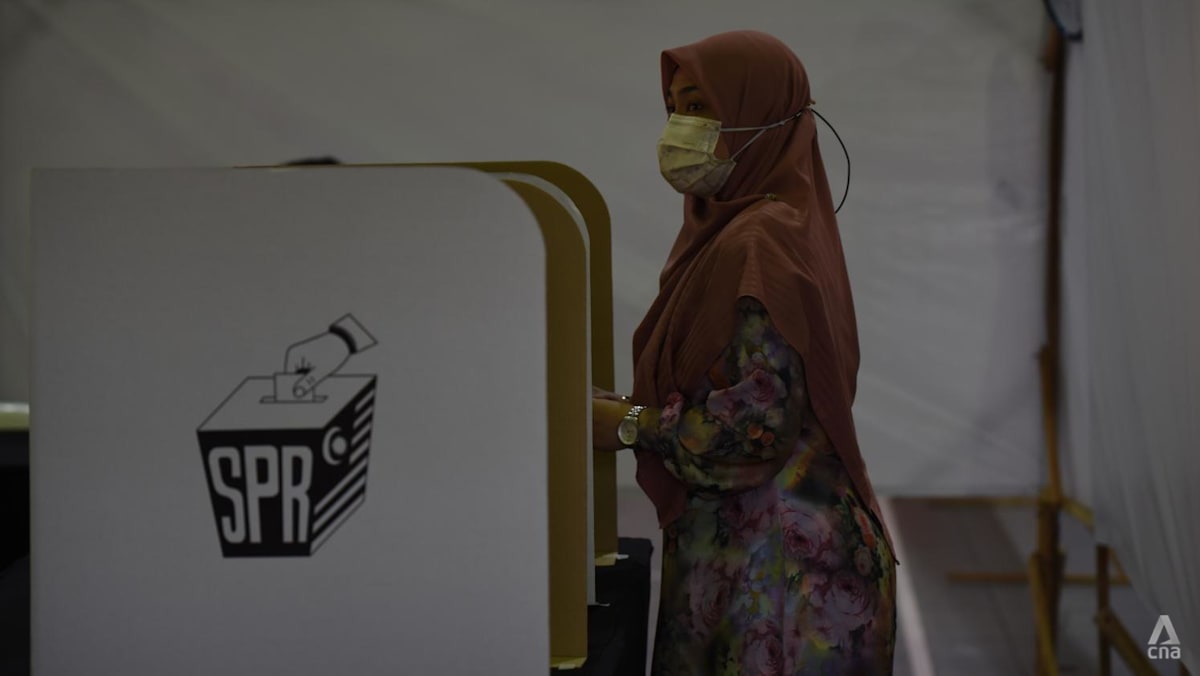
Johor State Election Set for July 11, Negeri Sembilan to Vote August 1
Johor will hold its state elections on July 11, while Negeri Sembilan is scheduled to go to the polls on August 1, according to reports from CNA and other Malaysian media outlets. These staggered elections serve as critical indicators of political sentiment following recent national shifts in governance and coalition alignments.
When are the Johor and Negeri Sembilan state elections?
The Election Commission has designated July 11 as the polling date for the Johor state election, according to reports from CNA, The Straits Times, and NST Online. Following this, voters in Negeri Sembilan will cast their ballots on August 1, as confirmed by CNA.
These dates establish a tight window of electoral activity in the southern and central regions of Peninsular Malaysia. The scheduling indicates a staggered approach to state polls, rather than a synchronized national-level state election event. This allows the government and electoral machinery to focus resources on specific regions sequentially.
For voters, the timeline is as follows:
- Johor: Polling occurs on July 11.
- Negeri Sembilan: Polling occurs on August 1.
Why do these election dates matter for Malaysian politics?
The timing of these elections is significant because they occur during a period of consolidation for the federal government. Since the formation of the Unity Government, state-level polls have become the primary mechanism for measuring the popularity of the current coalition. According to analysis by various Malaysian media outlets, these contests are often viewed as a litmus test for the federal administration’s policies and its ability to maintain a stable coalition between previously opposing parties.
In Johor, the stakes are particularly high given the state’s economic importance and its historical role as a stronghold for certain political factions. The results in Johor could signal whether the current governing coalition has successfully penetrated traditional opposition bastions or if there is a resurgence of alternative political movements.
Similarly, Negeri Sembilan represents a different demographic and political mix. The August 1 poll will provide data on how the federal government’s performance is perceived in the central region, potentially highlighting regional disparities in voter satisfaction.
Key political dynamics at play include:
- Coalition Stability: The ability of the Unity Government to campaign as a cohesive unit.
- Opposition Strength: Whether Perikatan Nasional (PN) can capitalize on local grievances to gain ground.
- Voter Turnout: The impact of automatic voter registration and the Undi18 initiative on these specific states.
What is the “Manchurian electorate” in Johor and Negeri Sembilan?
The Malay Mail has raised questions regarding the size and influence of what it terms the “Manchurian electorate” within Johor and Negeri Sembilan. In a political context, this refers to voters or political actors who may appear to be aligned with one faction but are secretly or strategically working toward the interests of another, or those whose loyalties are fluid and driven by strategic advantage rather than ideology.
According to the Malay Mail, understanding the scale of this electorate is crucial for strategists. If a significant portion of the voting population in Johor and Negeri Sembilan is “Manchurian”—meaning they are undecided or strategically shifting their support—the predicted outcomes based on traditional party loyalty may be inaccurate.
This phenomenon often occurs in states where political patronage is strong or where the boundaries between coalition partners have become blurred. In Johor, where the influence of the monarchy and local nobility is potent, strategic voting patterns often deviate from national trends. In Negeri Sembilan, the traditional power structures can similarly create a layer of “hidden” preferences that do not surface in public polling.
“The Manchurian electorate in Johor and Negeri Sembilan, how big?” — Malay Mail
The existence of such a voting bloc suggests that candidates cannot rely solely on party branding. Instead, they must engage in hyper-local campaigning to secure the loyalty of voters who may be weighing the benefits of different coalition promises.
Is the state election a “testing ground” for the federal government?
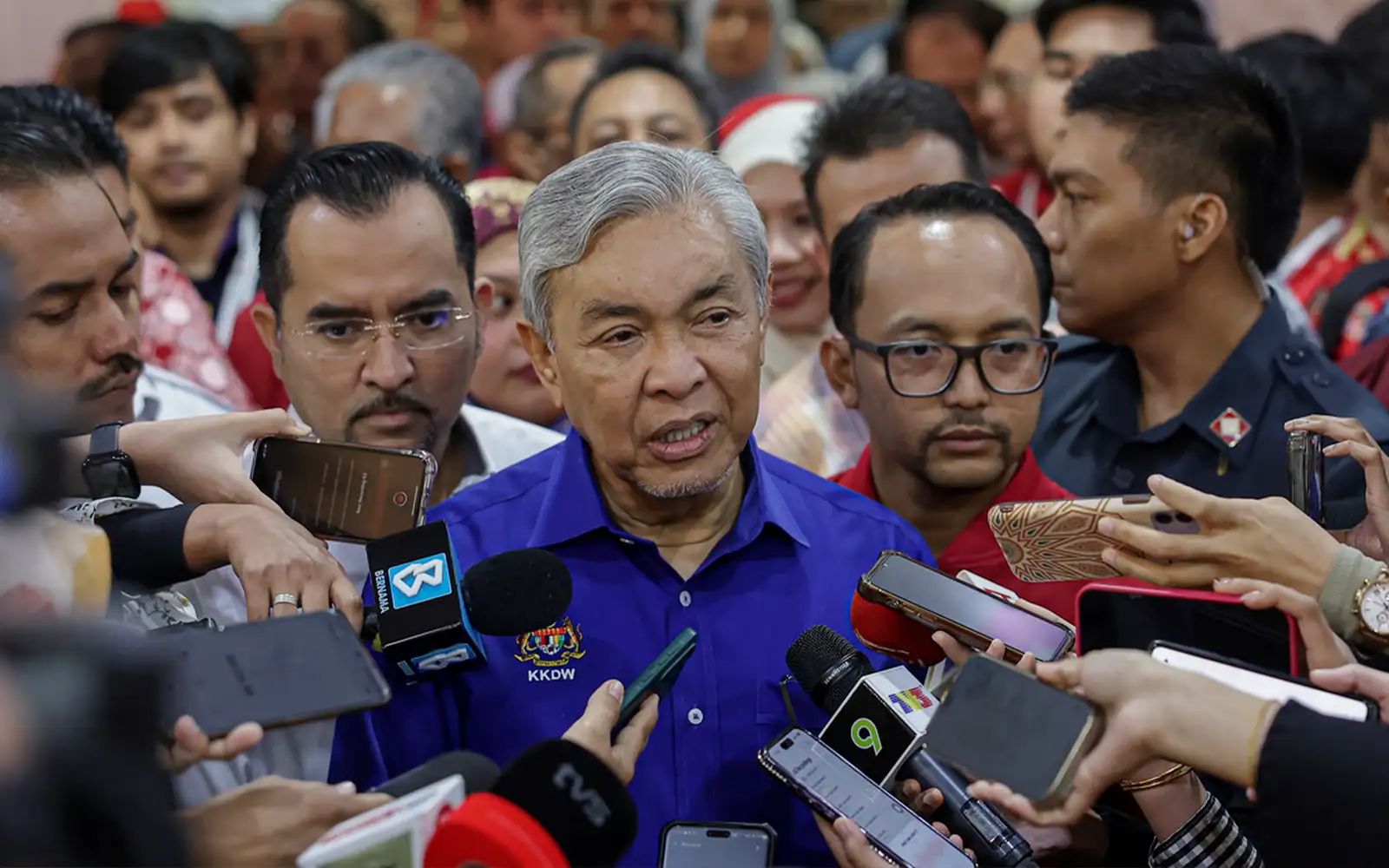
While political analysts often frame state elections as a referendum on the national government, the leadership in Johor has pushed back against this narrative. The Menteri Besar has stated that the polls are not a testing ground, according to a report by The Star.
This distinction is important for several reasons. By framing the election as a local matter rather than a national test, the state administration seeks to shift the focus toward state-specific achievements, infrastructure projects, and local governance. This strategy aims to insulate the state results from national political volatility.

According to The Star, the Menteri Besar’s stance suggests that the Johor government wants voters to judge the administration on its own merits—such as economic development and state administration—rather than using the ballot box to send a message to the federal leadership in Putrajaya.
However, this approach contrasts with the framing used by opposition parties, who typically attempt to nationalize state elections to create a “wave” of momentum against the ruling coalition. The tension between these two narratives—local governance vs. national referendum—will likely define the campaign rhetoric leading up to July 11 and August 1.
Comparing the Electoral Landscapes: Johor vs. Negeri Sembilan
Although both states are heading to the polls within three weeks of each other, their political environments differ significantly. The following table provides a comparison based on reported political contexts.
| Feature | Johor (July 11) | Negeri Sembilan (Aug 1) |
|---|---|---|
| Primary Focus | Economic hubs, Singapore border trade, royal influence. | Agricultural sectors, central region demographics, traditional leadership. |
| Political Narrative | State-led development vs. national alignment. | Coalition stability and regional representation. |
| Key Variable | The “Manchurian” shift in southern loyalty. | Central region sentiment toward federal policies. |
| Admin Stance | Not a “testing ground” (per MB). | Standard state-level contest. |
The role of the Election Commission and voter registration
The scheduling of these elections by the Election Commission (EC) comes at a time when the Malaysian electorate has expanded significantly. The implementation of Undi18, which lowered the voting age to 18, and the introduction of automatic voter registration have added millions of new names to the rolls.
In Johor and Negeri Sembilan, this influx of young voters is expected to disrupt traditional voting patterns. These new voters are generally less tied to the historical party loyalties that defined previous elections. According to reporting across Malaysian media, parties are now forced to adapt their messaging to appeal to a younger demographic that is more concerned with employment opportunities, digital economy growth, and social justice than with old party rivalries.
The EC’s role in managing these staggered dates is also critical for ensuring security and logistical efficiency. By separating the Johor and Negeri Sembilan polls, the EC can better manage the deployment of polling staff and security personnel, reducing the risk of logistical failures that can occur during synchronized nationwide elections.
Implications for the Unity Government’s Stability
The results of the July 11 and August 1 elections will provide a clear picture of the Unity Government’s resilience. If the coalition secures a strong mandate in both states, it will validate the current political arrangement and potentially marginalize the opposition’s claims that the coalition is unpopular.
Conversely, a poor showing in Johor—a state often seen as a bellwether for Malay political sentiment—could create internal friction within the Unity Government. It might lead to calls for a realignment of strategies or a change in leadership roles within the coalition to better appeal to the grassroots electorate.
Analysts suggest that the “Manchurian” element mentioned by the Malay Mail could be the deciding factor. If the Unity Government can flip “Manchurian” voters—those who are strategically undecided—it will demonstrate a sophisticated ability to manage a diverse and fragmented electorate.
Related explainer on Malaysian coalition politics may provide further context on how these alliances are formed and maintained.
Potential challenges during the campaign period
As the dates of July 11 and August 1 approach, several challenges are likely to emerge during the campaign trails:
- Digital Misinformation: The use of social media to spread unverified claims about candidates and coalitions.
- Cost of Living: Inflation and economic pressures are likely to be the primary grievances cited by voters in both states.
- Coalition Friction: The difficulty of coordinating campaign materials and messaging between partners who were rivals only a few years ago.
In Johor, the proximity to Singapore often brings specific economic issues to the forefront, such as the cost of living relative to the Singapore Dollar and cross-border transportation. In Negeri Sembilan, land rights and agricultural subsidies are more likely to dominate the local discourse.
Frequently Asked Questions
When is the Johor state election?
The Johor state election is scheduled to take place on July 11, according to reports from CNA, The Straits Times, and NST Online.
When is the Negeri Sembilan state election?
Negeri Sembilan is set to go to the polls on August 1, as reported by CNA.

What is the “Manchurian electorate”?
As discussed by the Malay Mail, the “Manchurian electorate” refers to voters whose loyalties are fluid or strategic, potentially supporting one party while secretly favoring another, or shifting their vote based on calculated advantage rather than ideology.
Is the Johor election a test for the federal government?
While many analysts view it as such, the Menteri Besar of Johor has explicitly stated, according to The Star, that the polls are not a testing ground for the federal government, but rather a matter of state governance.
Who manages the dates for these elections?
The Election Commission (EC) of Malaysia is responsible for setting the polling dates and managing the logistics of the state elections.
As the July 11 and August 1 deadlines approach, the focus will remain on whether local state-level issues or national political trends will drive the final outcome at the ballot box. The combination of a new, younger electorate and the strategic shifts in coalition loyalty makes these two contests a significant chapter in Malaysia’s current political evolution.
