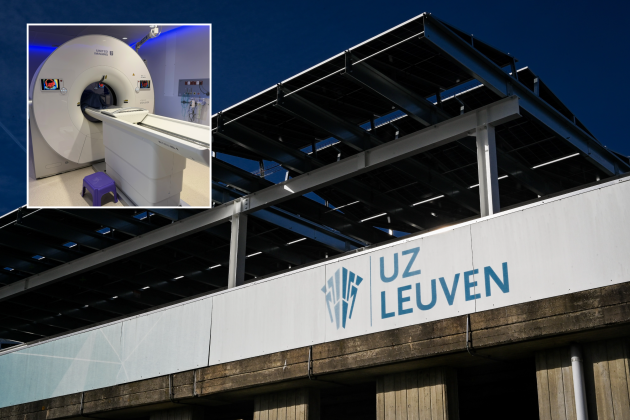
University Hospitals Leuven (UZ Leuven) is employing a PET scanner to detect brain diseases in their early stages, according to a report from made-in.be. This approach, described as a world premiere, aims to identify neurological conditions earlier than previously possible to improve patient management.
The Technology Behind Early Detection
Positron Emission Tomography, or PET scans, utilize radioactive tracers to visualize metabolic activity and chemical changes within the body. Unlike structural imaging, such as CT or MRI scans that show the anatomy of the brain, PET scanners track how tissues are functioning.

According to the report, UZ Leuven is utilizing this technology to spot the biomarkers of brain diseases before they manifest as severe physical or cognitive symptoms. This allows clinicians to identify pathology at a stage where the brain may still be highly responsive to intervention.
Impact on Neurological Care
Early detection is a primary goal in neurology because many brain diseases are progressive and irreversible. Identifying these conditions early allows for the potential implementation of therapies designed to slow the progression of the disease or manage symptoms more effectively.
The application of this scanning method at UZ Leuven represents a first in the field, according to made-in.be, providing a tool for clinicians to move toward a more proactive diagnostic model for brain health.
