
P1 registration: Why did the parent volunteer scheme become an arms race? – The Straits Times
The Singapore Primary 1 (P1) registration process has seen its parent volunteer scheme shift from a community-building tool into a high-stakes competition for limited slots in preferred schools. According to reports on the phenomenon, parents are increasingly treating volunteering as a strategic transaction, offering specialized professional skills and extensive hours to secure a priority advantage under Phase 2B of the Ministry of Education (MOE) registration framework.
How the Parent Support Scheme Works in P1 Registration
Primary 1 registration in Singapore is divided into several phases to manage the distribution of students across the island’s primary schools. While Phase 1 and 2A prioritize proximity and sibling ties, Phase 2B introduces a mechanism for parents who have contributed to a school’s programs. This “parent support” allows a child to be considered for admission before the general public in Phase 2C.
The Ministry of Education designed this scheme to foster a strong partnership between schools and families. By encouraging parents to contribute their time and expertise, schools can enhance their co-curricular activities (CCAs) and community outreach. However, the limited number of seats in “branded” or high-demand schools has turned this collaborative intent into a competitive bottleneck.
| Registration Phase | Primary Eligibility/Priority | Role of Volunteering |
|---|---|---|
| Phase 1 | Home address (nearest school) | None |
| Phase 2A | Siblings already in the school | None |
| Phase 2B | Parent support/Alumni/Religious ties | Critical: Priority given to those who volunteered |
| Phase 2C | General public (distance-based) | None |
The Evolution of the ‘Arms Race’ in Volunteering
What began as occasional help at school carnivals or library duties has evolved into what observers describe as an “arms race.” Parents no longer simply offer their time; they now compete on the value of their contribution. This shift is driven by the perception that generic volunteering is no longer sufficient to guarantee a spot in oversubscribed schools.
Parents now frequently leverage their professional credentials to stand out. It is common for applicants to offer specialized services such as legal consultancy, accounting, corporate sponsorship, or high-level event management. By positioning themselves as “assets” to the school’s administration, parents hope to move up the internal priority list that schools use to vet volunteers.
The Shift Toward Specialized Contribution
- Professional Services: Offering pro bono professional work to the school board or administration.
- Resource Mobilization: Using corporate networks to bring in sponsorships or high-profile speakers.
- High-Intensity Hours: Committing to a significant number of hours that often exceed the school’s basic requirements.
- Niche Skills: Providing expertise in emerging fields like coding, robotics, or sustainability to align with current educational trends.
“The goal has shifted from supporting the school to ensuring the child’s admission. When the stakes are this high, the nature of the contribution changes from altruism to a strategic investment.”
Why This Competition Matters for Singaporean Families
The intensity of the P1 registration process reflects a broader societal anxiety regarding educational outcomes. In Singapore, the perceived prestige of certain primary schools is often linked to their track records of sending students to top secondary schools. This creates a feedback loop where high demand increases the competitiveness of the volunteering scheme.
This “arms race” creates a significant disparity based on a parent’s socio-economic status. Parents with flexible work schedules, higher disposable income, and specialized professional networks have a distinct advantage. Conversely, working-class parents who may lack these resources find it nearly impossible to compete in the Phase 2B category, regardless of their genuine desire to support the school.
Impact on Parent-School Relationships
The transactional nature of current volunteering efforts can strain the relationship between educators and parents. When volunteering is viewed as a “payment” for a school slot, the organic bond of community is replaced by a contractual expectation. Schools are forced to spend significant administrative energy vetting the authenticity of volunteer offers and managing the expectations of disappointed parents.
Furthermore, the pressure extends to the children. Even at the age of six, some children are aware of the efforts their parents are making, which can introduce an early sense of academic and institutional pressure.
Common Misconceptions About Parent Volunteering
There are several myths surrounding the P1 registration process that often lead to unnecessary stress for families. Clearing these misconceptions is essential for a realistic approach to school selection.
Myth: More hours always equals a higher chance of admission
According to school guidelines, quality and relevance of contribution often outweigh the raw number of hours. A parent who provides a specific, needed skill for five hours may be more valued than a parent who performs generic tasks for fifty hours. Schools seek “meaningful” contributions that align with their specific strategic goals.
Myth: Volunteering guarantees a spot in Phase 2B
Volunteering is a prerequisite for priority, not a guarantee. If the number of children of volunteers exceeds the available slots in Phase 2B, the school must use a balloting process. Even the most dedicated volunteers can lose out to a random draw.

Myth: Only ‘elite’ schools have competitive volunteering
While most intense in top-tier schools, the trend is spreading to “neighborhood” schools that have recently gained popularity due to specific programs or improved results. This expands the “arms race” beyond a small circle of elite institutions.
Comparing the Original Intent vs. Current Reality
The disparity between the Ministry of Education’s vision and the ground reality is stark. The original goal was to integrate the home and school environments to support the child’s holistic development. The current reality, however, often prioritizes the process of entry over the process of education.
When compared to other global educational systems, Singapore’s P1 registration is uniquely rigorous. In many other developed nations, primary school placement is strictly based on catchment areas (distance) or lottery systems. The introduction of a “merit-based” volunteering component in Singapore adds a layer of complexity that encourages the strategic behaviors seen today.
For more context on how educational policies evolve, see our related explainer on Singapore’s meritocracy system.
The Role of Schools in Managing the Influx
Schools are not passive participants in this process; they are often caught between MOE guidelines and the overwhelming demand from parents. To combat the “arms race,” some schools have implemented stricter vetting processes for volunteers.
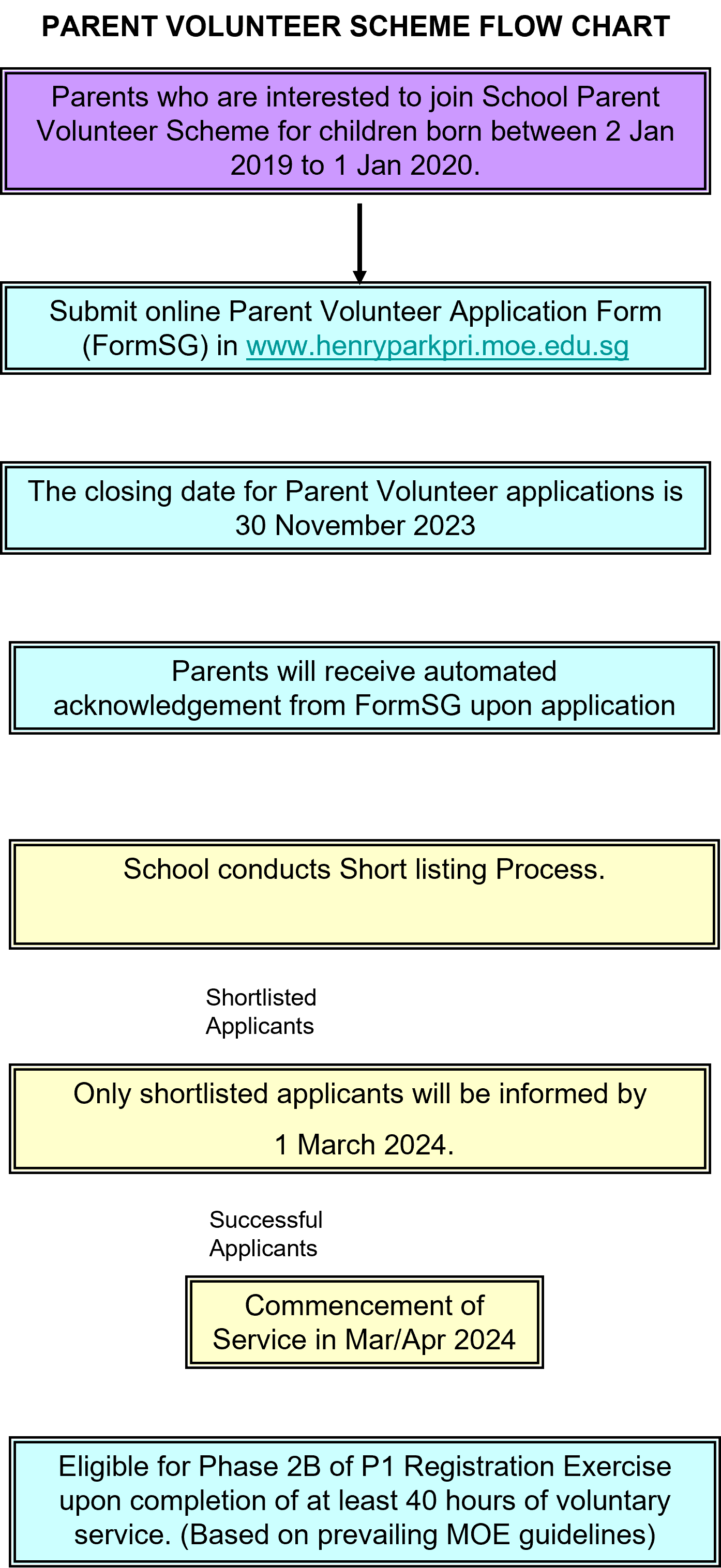
Some institutions now require a formal application for volunteering, including a CV and a proposal of how the parent can specifically contribute to the school’s current needs. This allows schools to filter out those who are volunteering solely for the P1 advantage and prioritize those whose skills genuinely fill a gap in the school’s ecosystem.
Strategies Schools Use to Maintain Balance:
- Capped Volunteer Slots: Limiting the number of volunteers accepted per year to prevent administrative overload.
- Specific Skill Requests: Publicly stating exactly what skills the school needs (e.g., “seeking a certified accountant for the audit committee”) to discourage generic offers.
- Long-term Commitment Checks: Requiring a commitment that extends beyond the P1 registration period to ensure the parent remains involved after the child is admitted.
Potential Long-term Implications for the Education System
If the volunteering scheme continues to be viewed as an arms race, the long-term implications could be detrimental to the social fabric of the school. A student body admitted primarily through the strategic maneuvering of parents may lack the diversity of backgrounds that a more open admission process provides.
Moreover, the “burnout” factor is real. Parents who spend years volunteering just to secure a spot may find themselves exhausted and unable to provide genuine support once their child is actually in the school. This leads to a paradox where the school has a high number of “registered” volunteers but a low level of actual, sustainable engagement.
Educational analysts suggest that the only way to dampen the arms race is to reduce the perceived gap between “top” schools and “average” schools. As long as there is a massive disparity in perceived value, parents will continue to employ any means necessary—including strategic volunteering—to secure a spot in the preferred institution.
Frequently Asked Questions
What is Phase 2B in P1 registration?
Phase 2B is the stage of Primary 1 registration where priority is given to children of parents who have volunteered for the school, children of alumni, or children of members of the school’s affiliated religious organization.

Does volunteering always guarantee a place in a preferred school?
No. Volunteering makes a child eligible for priority in Phase 2B, but it does not guarantee a spot. If the number of eligible applicants exceeds the available vacancies, a ballot is conducted to determine who gets in.
What counts as “meaningful” volunteering for P1 registration?
Meaningful volunteering typically involves contributions that provide a tangible benefit to the school, such as leading a CCA, providing professional expertise, or organizing significant school events. Generic help is less likely to be viewed as a high-value contribution.
When should parents start volunteering for P1 registration?
Most parents begin volunteering one to two years before the P1 registration exercise. This allows them to demonstrate a sustained commitment to the school rather than a last-minute effort to secure a slot.
Can any parent volunteer at any school?
Yes, but acceptance is at the school’s discretion. Schools may reject volunteer applications if they already have enough helpers in a particular area or if the applicant’s skills do not align with the school’s current needs.
The trajectory of the parent volunteer scheme serves as a mirror to the competitive nature of the Singaporean education landscape. While the intention was to build bridges between home and school, the result has been a sophisticated game of strategic positioning. As the Ministry of Education continues to refine its policies, the challenge remains to decouple the act of volunteering from the desire for institutional prestige.
