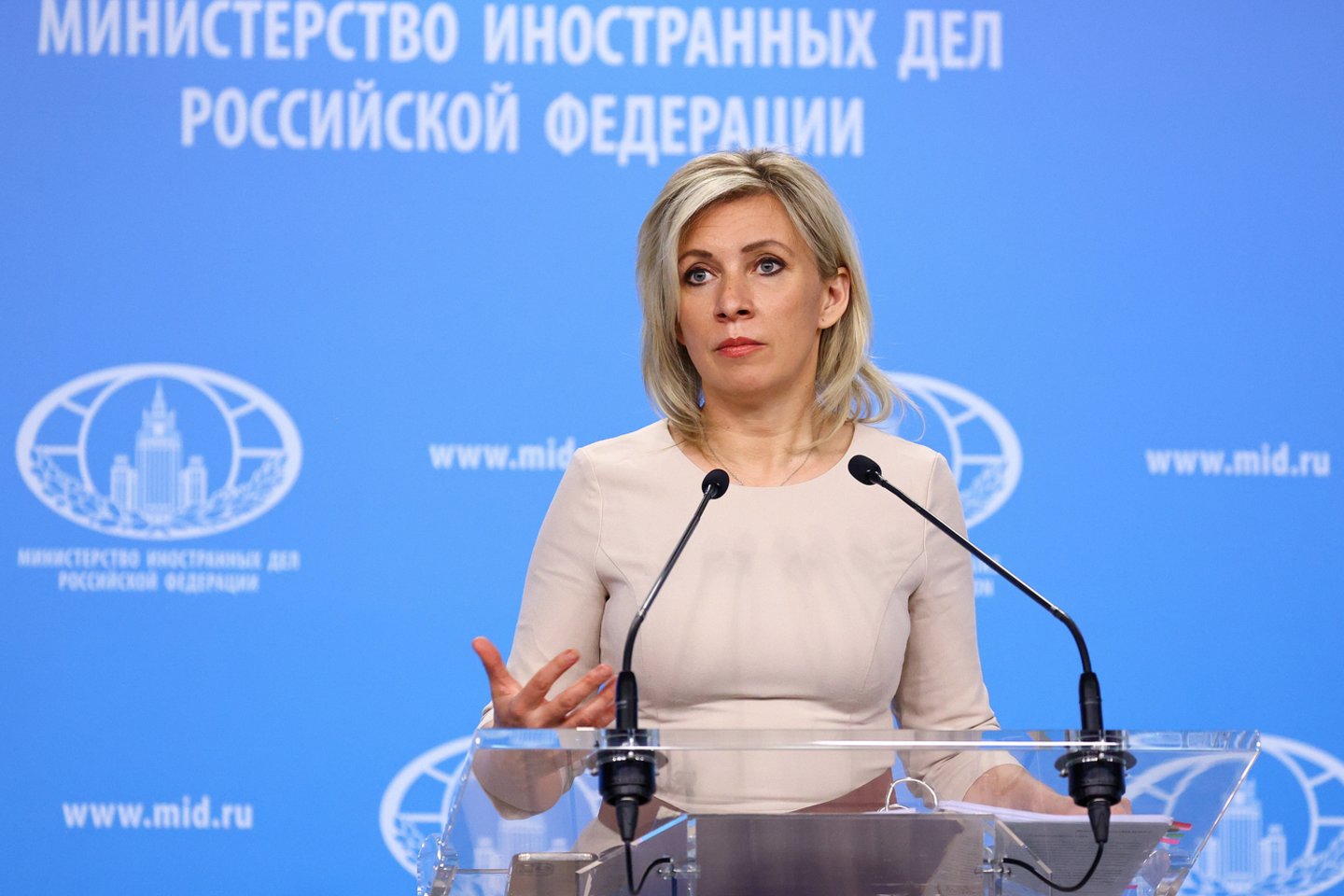
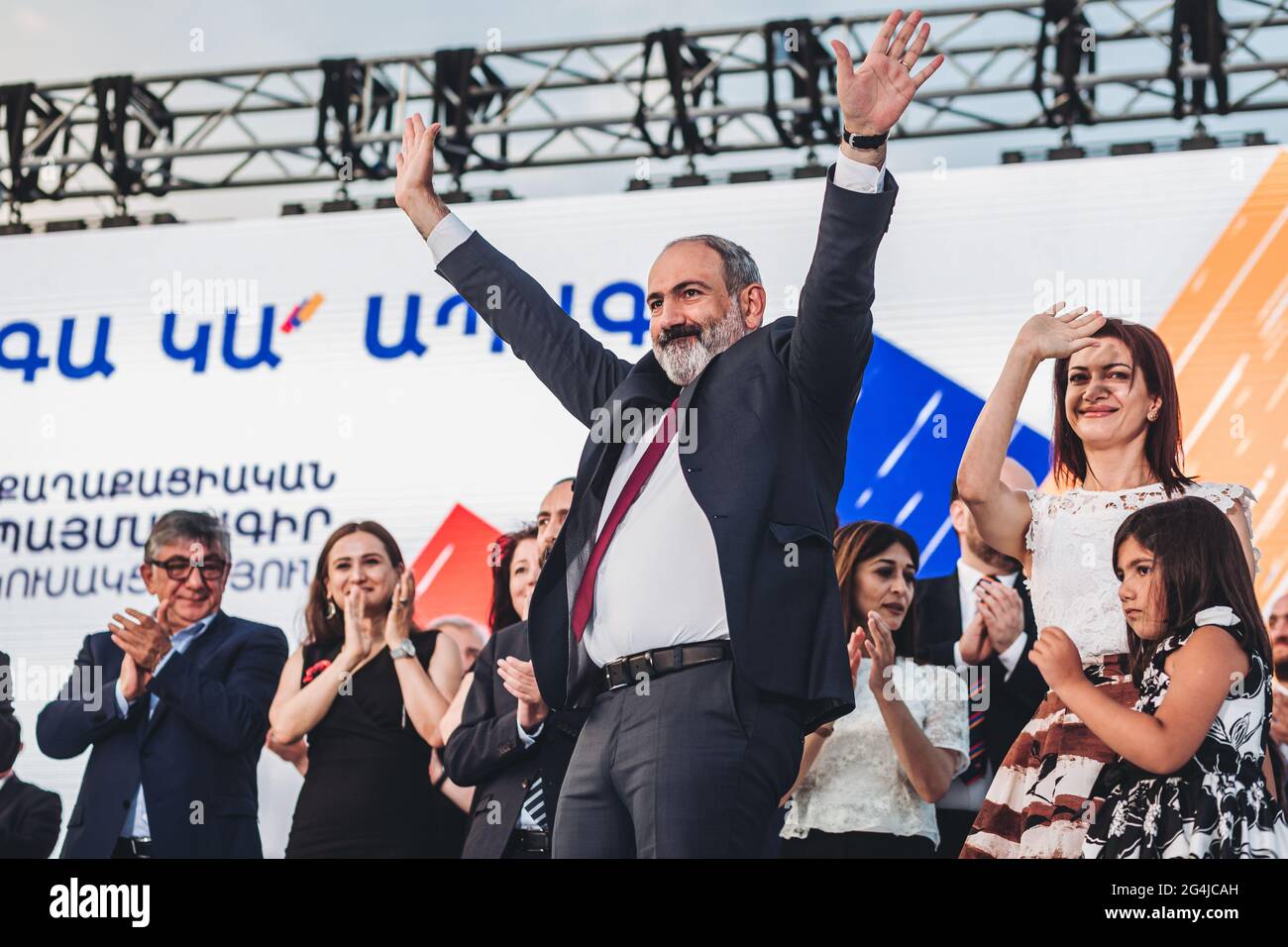
Armenia’s ruling party has won the recent parliamentary elections, with Prime Minister Nikol Pashinyan pledging to strengthen ties with Western nations. The victory occurred amid a low 33% voter turnout and a muted response from Russia, signaling a potential shift in the region’s geopolitical alignment.
Fast Facts
- Election Outcome: Victory for the ruling party.
- Voter Turnout: 33%.
- Strategic Goal: Deepening relations with Western powers.
- Security Incidents: False reports of explosions during the voting process.
Voter Turnout and Misinformation
The parliamentary elections were marked by a low level of civic engagement, with only 33% of eligible voters casting ballots, according to local media reports. The voting process was further complicated by the spread of misinformation, specifically false reports regarding explosions, which circulated during the election period.
A Strategic Pivot Toward the West
Following the ruling party’s victory, Nikol Pashinyan has signaled a clear intent to move Armenia closer to Western alliances. This shift comes at a time when Armenia’s traditional relationship with Moscow appears strained. According to reports, Russia’s reaction to the election results has been lackluster, suggesting a cooling of diplomatic warmth between the two nations.
External Miscalculations in Yerevan
While international powers have closely monitored the proceedings, some local analysts suggest that foreign capitals have misread the internal dynamics of the country. An Armenian expert noted that the true nature of the political environment was overlooked by both the East and the West.
Neither Moscow nor Europe fully understood what happened here.
Armenian political expert
Regional Security Update: Iran
In a separate regional development, the Iranian military has announced the cessation of its military operation against Israel, according to reports on regional conflict.
