Exxon Gas Project Could Boost Mozambique’s Economy by R183 Billion Annually, Report Suggests
Recent economic analysis highlights the potential transformative impact of the Exxon-led gas project on Mozambique’s financial landscape, with projections indicating a substantial annual boost of R183 billion. This development has sparked discussions about the nation’s strategic positioning in the global energy sector and its capacity to leverage natural resources for sustained growth.
What Happened?
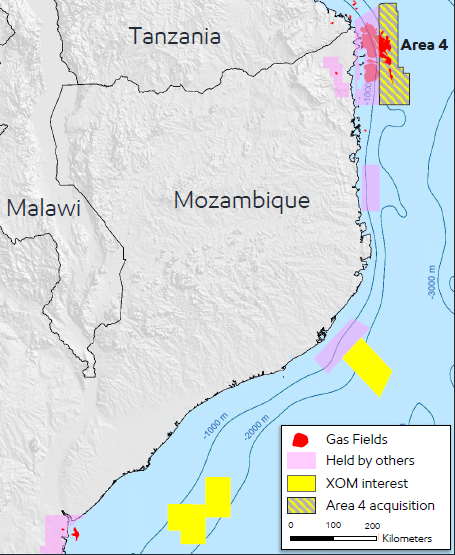
The Exxon gas project, centered around the development of Mozambique’s vast offshore gas reserves, has emerged as a pivotal player in the country’s economic strategy. According to a recent report, this initiative could inject R183 billion annually into Mozambique’s economy. This figure, derived from a comprehensive analysis by Standard Bank, underscores the project’s potential to reshape the nation’s economic trajectory.
The project, part of a broader $30 billion investment in the Rovuma LNG (liquefied natural gas) sector, aims to harness Mozambique’s rich hydrocarbon resources. This initiative is not just about energy production; it’s a multidimensional endeavor that involves infrastructure development, job creation, and economic diversification.
Who Is Involved?
The Exxon gas project involves key stakeholders, including the Mozambican government, international energy giants like Exxon, and financial institutions such as Standard Bank. The collaboration between these entities highlights the project’s significance as a public-private partnership aimed at maximizing economic benefits for the nation.
Local businesses are also expected to play a crucial role in this initiative. The government has emphasized the importance of involving domestic enterprises in the project’s supply chain, ensuring that the economic benefits are distributed across various sectors of the economy.
Why It Matters
The significance of the Exxon gas project extends beyond immediate economic gains. It represents a strategic opportunity for Mozambique to position itself as a major player in the global energy market. With the country’s gas reserves estimated to be among the largest in the world, the project could attract further foreign investment and foster long-term economic stability.
Moreover, the project’s potential to generate employment and stimulate local industries cannot be overstated. By creating jobs and supporting small businesses, the initiative could contribute to reducing poverty and improving the standard of living for many Mozambicans.
Economic Implications
The projected R183 billion annual boost is a testament to the economic potential of the Exxon gas project. However, it is essential to consider the broader context of Mozambique’s economic challenges. The country has faced periods of economic instability, and the success of this project could be a turning point in its economic narrative.
Experts suggest that the project’s impact will not be limited to the energy sector. It is anticipated to have a ripple effect across various industries, including construction, transportation, and services. This multi-sectoral growth could lead to a more resilient and diversified economy.
Challenges and Opportunities
Despite the promising outlook, the Exxon gas project is not without its challenges. Environmental concerns, regulatory hurdles, and the need for sustainable practices are critical issues that must be addressed. The project’s success will depend on the ability to balance economic gains with environmental and social responsibilities.
Additionally, the involvement of international partners necessitates a robust framework for transparency and accountability. Ensuring that the benefits of the project are equitably distributed and that local communities are adequately represented will be crucial for its long-term success.
Reactions and Expert Views
Industry experts and economists have welcomed the potential economic boost from the Exxon gas project. They emphasize the importance of leveraging this opportunity to drive sustainable development. However, they also caution against over-reliance on a single sector, advocating for a more diversified economic strategy.
The Mozambican government has reiterated its commitment to ensuring that the project aligns with national development goals. Officials have highlighted the need for comprehensive planning and stakeholder engagement to maximize the project’s benefits while mitigating risks.
What to Watch For
As the Exxon gas project progresses, several factors will be critical to monitor. These include the project’s timeline, the effectiveness of stakeholder collaboration, and the implementation of environmental and social safeguards. Additionally, the global energy market’s dynamics will play a significant role in determining the project’s success.
The coming months will be pivotal in shaping the project’s trajectory. Continued analysis and reporting will be essential to track its impact and ensure that it delivers on its promises to Mozambique’s economy and society.
Frequently Asked Questions
How will the Exxon gas project impact Mozambique’s economy?
The project is projected to add R183 billion annually to Mozambique’s economy, driven by energy production, job creation, and infrastructure development. This could lead to significant economic growth and diversification.
What are the main challenges facing the Exxon gas project?
Key challenges include environmental concerns, regulatory compliance, and ensuring equitable distribution of benefits. Addressing these issues will be crucial for the project’s long-term success.

How will local businesses benefit from the project?
The project aims to involve local businesses in the supply chain, creating opportunities for growth and employment. This collaboration is expected to stimulate various sectors of the economy.
What role does Standard Bank play in this project?
Standard Bank conducted
