
Pope Leo XIV delivered a landmark address to the Spanish parliament on Monday, June 8, 2026, calling for a “moral renewal” in public life to protect the inherent dignity of all people. The event, which included a seven-minute standing ovation, marks a rare intersection of religious leadership and secular governance in Spain, according to local media reports.
- Date: June 8, 2026
- Location: Congress of Deputies, Madrid, Spain
- Key Figures: Pope Leo XIV, Francina Armengol (President of the Congress of Deputies)
- Core Themes: Migrant rights, international law, and the protection of the unborn and vulnerable
How did the Pope frame the “moral renewal” of Spain?
During his first address to the Spanish legislature, the American pope emphasized that the strength of a country is measured by its treatment of the marginalized. He specifically called for newfound respect for international law and the rights of migrants, while also advocating for the unborn.
The moral greatness of a nation is manifested, above all, in its capacity to accompany, protect and love those lives that are most fragile.
The speech signaled a complex cultural moment for Spain. While the Catholic Church was once a pillar of General Francisco Franco’s dictatorship, the country has since become overwhelmingly secular. The invitation for Leo XIV to speak at Las Cortes Generales suggests a shifting level of acceptance for the Church within the modern political sphere.
What were the political reactions to the address?
The reception within the parliament was largely positive, though interpretations of the Pope’s message varied wildly across the political spectrum. According to reports from local media, the address was met with a seven-minute ovation, though one “discordant note” was observed during the proceedings.
The reactions highlighted a trend of political appropriation, where opposing parties all claimed the Pope’s words as their own:
- PSOE, PP, and Vox: Along with independentist groups, these parties reportedly viewed the discourse as aligned with their own positions.
- PNV: The Basque Nationalist Party specifically highlighted the Pope’s respect for the
diversity of the peoples
. - Individual Members: The event sparked a range of responses, from the
delivery
of Rufián to the specific requests made by Nogueras.
Why is this papal visit culturally significant?
Speeches by popes to foreign legislatures are infrequent because they can be interpreted as formal recognition of a religious leader by secular lawmakers. This event places Leo XIV in a small group of recent pontiffs to take such a step, following Pope Francis’s 2015 address to the U.S. Congress and Pope Benedict XVI’s 2011 speech to the German Bundestag.
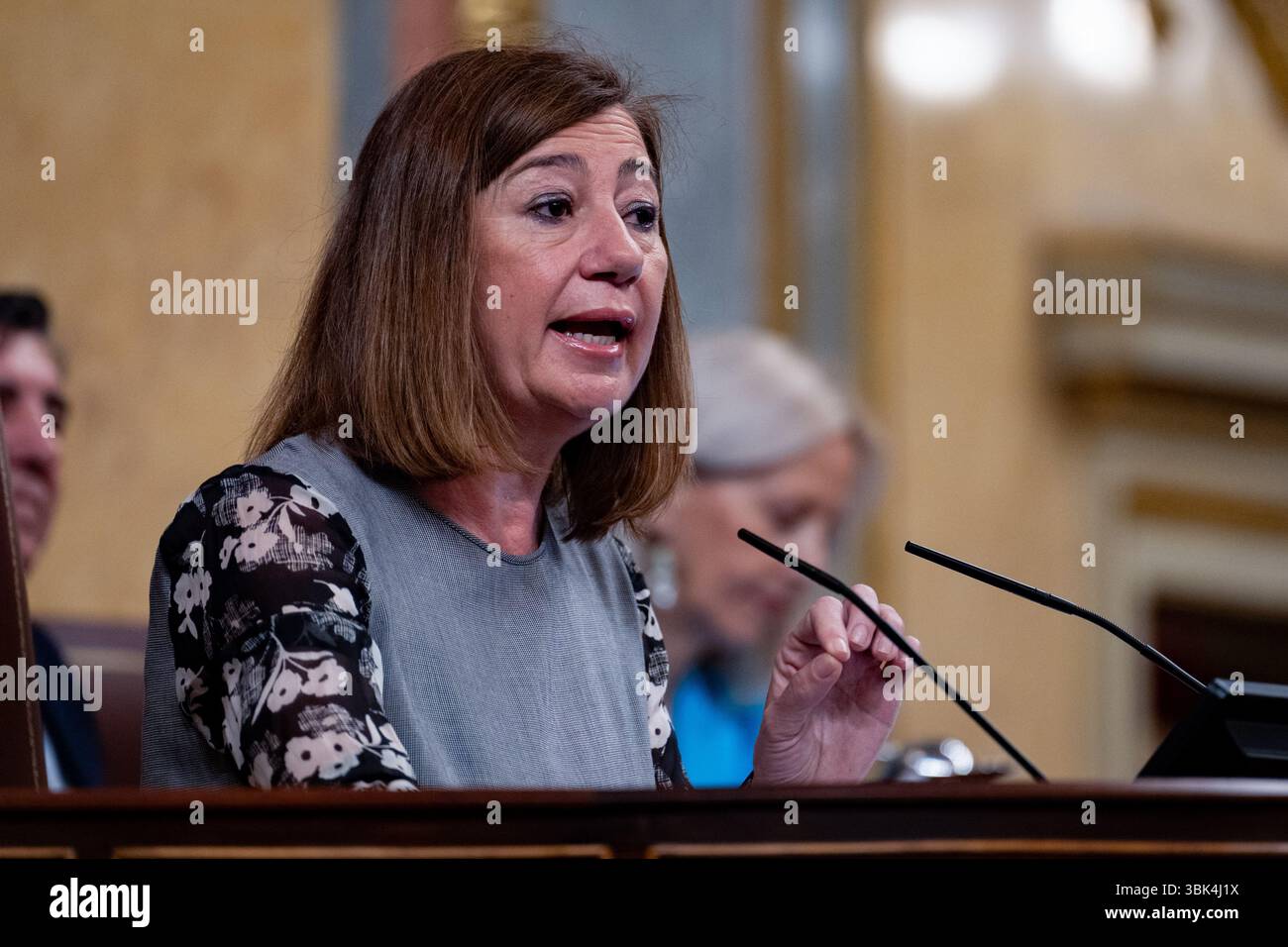
The presence of the Pope, flanked by Francina Armengol, President of the Congress of Deputies, underscores a diplomatic effort to bridge the gap between Spain’s religious history and its current secular identity. Local reports indicate that while religious observance has declined sharply in Spain, the event demonstrated that the Church still possesses a capacity to engage the public sphere in a way that was previously unthinkable in the post-democracy era.
