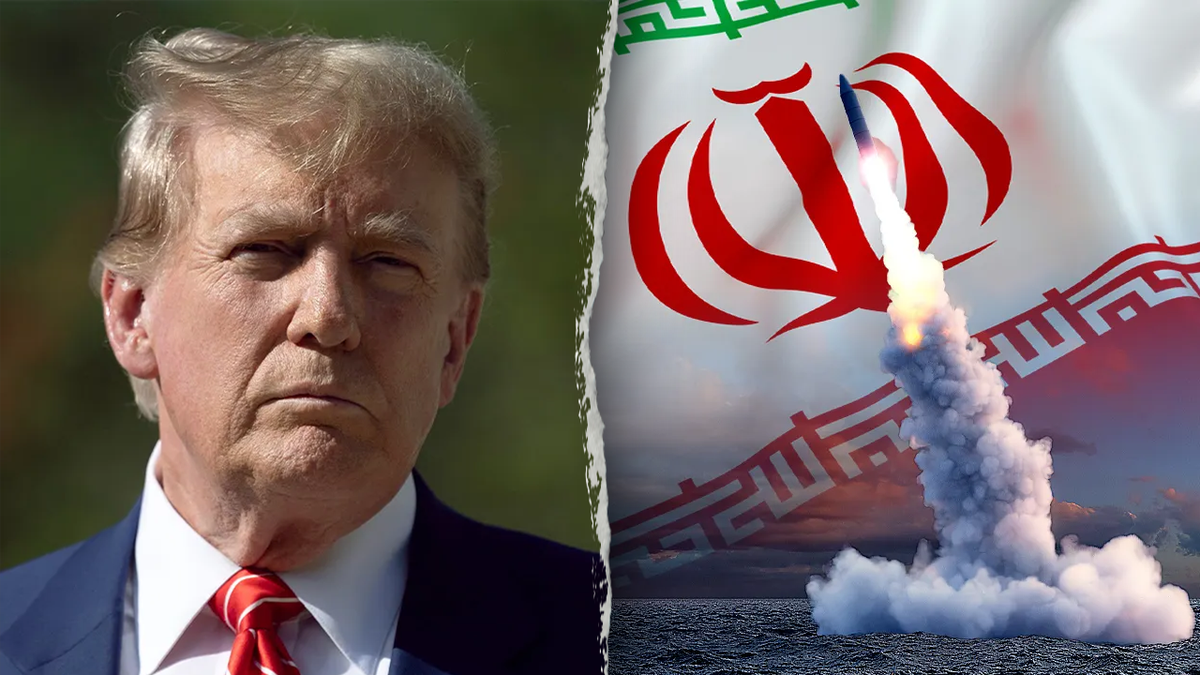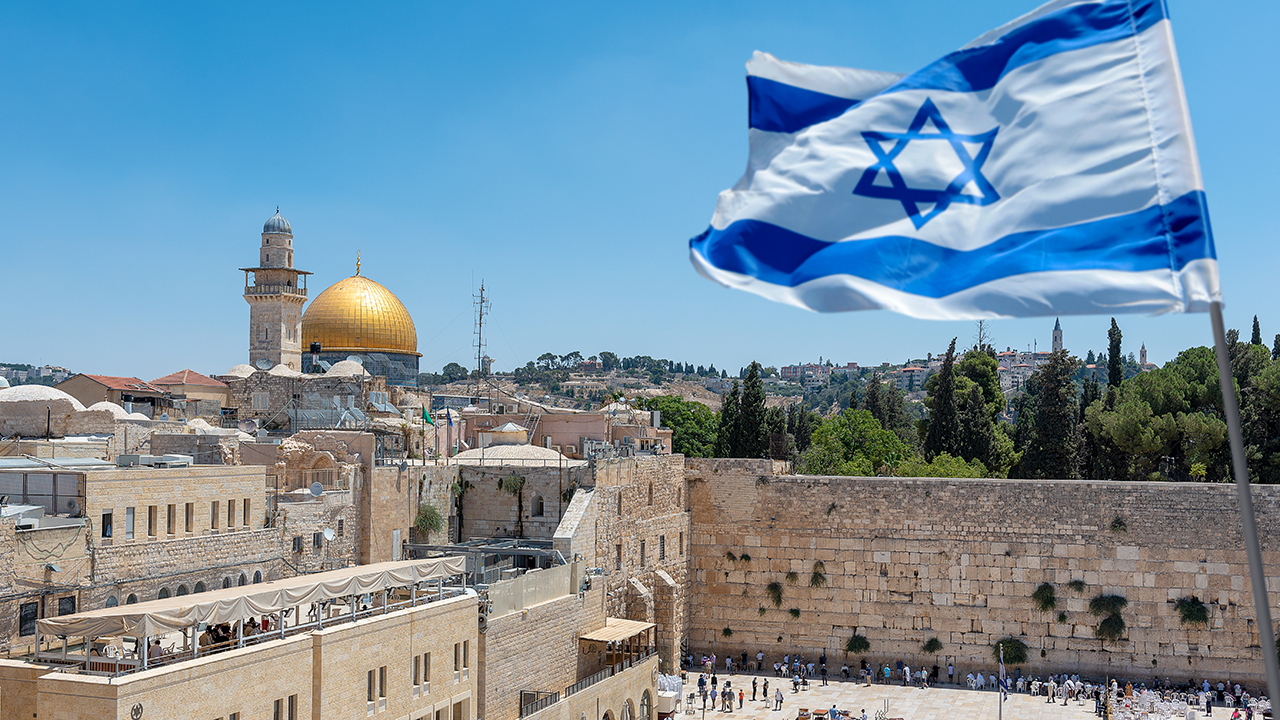
Iran launched a new wave of ballistic missile attacks against Israel on April 7, 2026, marking a significant escalation in the protracted conflict between the two nations. The assault, described by Israeli military officials as “the largest since months,” comes amid heightened regional tensions and diplomatic maneuvering involving U.S. President Donald Trump, who has emerged as a central figure in mediating the crisis.
The Iranian Supreme National Security Council announced its acceptance of a two-week ceasefire, stating it would engage in negotiations with the United States in Islamabad. However, the statement emphasized that the ceasefire does not signify an end to hostilities, with Iran reserving the right to respond with “full force” to any perceived provocations. This conditional agreement follows Trump’s recent threats to expand U.S. military actions against Iran unless it complies with demands to reopen the Strait of Hormuz, a critical maritime chokepoint.
Escalation in the Middle East
Trump’s rhetoric has intensified in recent days, with the U.S. president warning that “a whole civilization will die tonight, never to be brought back again” if Iran fails to reach a deal. Such statements have drawn sharp criticism from Democratic lawmakers, some of his former supporters, and even the Vatican, which condemned the “extreme” language. The president’s approach reflects a broader strategy of leveraging military pressure to secure strategic concessions, a tactic he previously employed during his first term in office.

Israel’s government reiterated its support for the ceasefire proposal but clarified that it does not extend to the ongoing conflict with Hezbollah in Lebanon. Prime Minister Benjamin Netanyahu’s office stated that the agreement is contingent on Iran immediately opening the Strait of Hormuz and ceasing all attacks on U.S., Israeli, and regional targets. This distinction underscores the complex web of regional alliances and conflicts, as Israel seeks to address multiple fronts simultaneously.
International Reactions and Regional Implications
The crisis has drawn global attention, with international observers closely monitoring the potential for broader conflagration. The U.S. and Iran have engaged in a series of high-stakes negotiations, often mediated through third parties, as both sides seek to balance military posturing with diplomatic overtures. Analysts note that Trump’s return to the White House in 2025 has introduced a new dynamic, with his administration’s approach to Middle East policy characterized by a blend of maximalist demands and strategic flexibility.
Regional stability remains a pressing concern, as the conflict risks drawing in other powers. The Strait of Hormuz, which sees over 20% of global oil shipments, is a focal point of geopolitical tension. Any disruption to its operations could have far-reaching economic consequences, further complicating efforts to de-escalate the situation.
What’s Next?
Key developments will unfold in the coming weeks as Iran and the U.S. prepare for negotiations in Islamabad. The success of these talks will depend on whether both sides can reconcile their conflicting priorities: Iran’s insistence on maintaining its strategic leverage versus the U.S. and its allies’ demands for immediate concessions. Meanwhile, Israel’s stance on the Lebanon front will remain a critical factor in shaping the broader regional landscape.