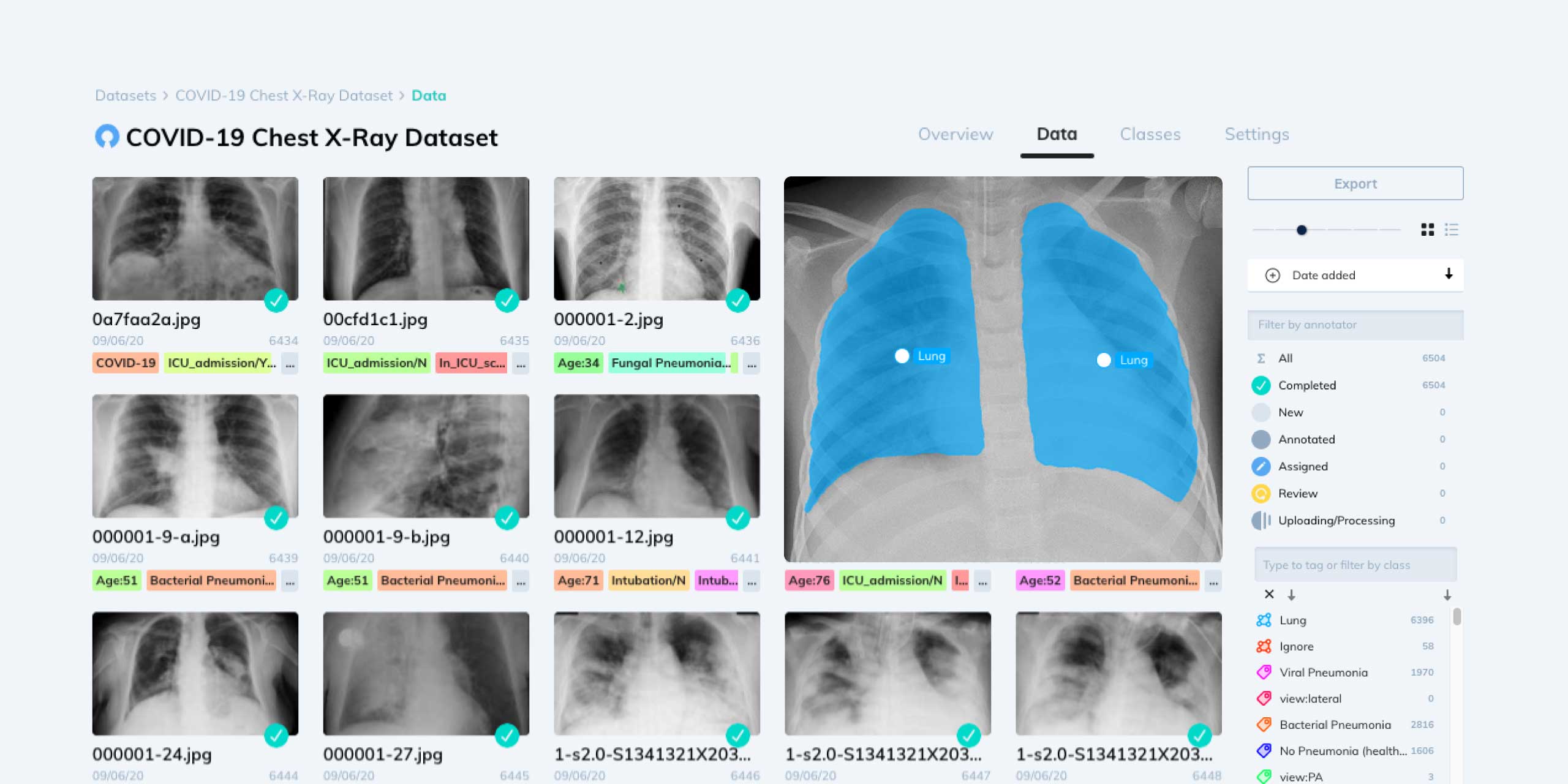
Cohort makes data from more than 5,800 patients hospitalized with COVID-19 available to the scientific community – Medical Xpress
Researchers have released an open-access dataset containing clinical information from more than 5,800 patients hospitalized with COVID-19. This initiative is designed to support reproducible clinical research by allowing the global scientific community to verify findings and conduct independent analyses on a significant patient cohort.
Why is the release of this 5,800-patient COVID-19 cohort significant?
The availability of a large, standardized dataset is a critical asset in medical science. In the case of the cohort comprising more than 5,800 hospitalized COVID-19 patients, the significance lies in the scale and the accessibility of the data. Most clinical studies rely on smaller, proprietary datasets that are not shared with other researchers, which often creates a “black box” effect where results cannot be independently verified.
By making this data open-access, the providers are tackling one of the most persistent problems in medical literature: the reproducibility crisis. When data is locked behind institutional walls, other scientists cannot test the original hypotheses or apply new analytical methods to the same patient group. This dataset allows for a transparent approach to understanding how COVID-19 affects hospitalized populations.
Key aspects of this data release include:
- Scale: Including over 5,800 patients provides enough statistical power to identify trends that would be invisible in smaller studies.
- Accessibility: Open-access means researchers from institutions with fewer resources can still contribute to high-level clinical analysis.
- Verification: Independent teams can now run their own models against the same data to see if they reach the same conclusions.
How does an open-access COVID-19 dataset support reproducible clinical research?
Reproducibility is the cornerstone of the scientific method. A study is considered reproducible if another researcher can take the same data, follow the same methodology, and achieve the same result. In clinical research, this is often difficult because patient data is highly sensitive and rarely shared.
The release of this specific cohort addresses several barriers to reproducibility. First, it eliminates “data hoarding,” where a single institution controls the narrative of a study. Second, it allows for the correction of errors. If a mistake was made in the original analysis of these 5,800 patients, the wider community can identify it and provide a correction.
Open-access datasets transform clinical research from a series of isolated reports into a collaborative, global effort to find the truth.
When research is reproducible, it builds trust. For clinicians treating patients on the front lines, knowing that a treatment protocol was verified across multiple independent analyses of a large cohort—rather than a single internal study—provides a higher level of confidence in the care they provide.
The difference between closed and open clinical data
| Feature | Closed/Proprietary Data | Open-Access Data (Current Cohort) |
|---|---|---|
| Verification | Limited to internal peer review | Global independent verification |
| Bias Risk | Higher risk of selective reporting | Lower risk; all data is available for scrutiny |
| Speed of Discovery | Slower; depends on single-team pace | Faster; multiple teams analyze simultaneously |
| Resource Access | Restricted to affiliated institutions | Available to the entire scientific community |
What are the implications for the scientific community?
The decision to make data from more than 5,800 hospitalized patients available has immediate and long-term implications. In the short term, it provides a goldmine for bioinformaticians and epidemiologists who can use the data to refine risk models for COVID-19 hospitalization. They can look for patterns in comorbidities, age, and treatment responses that may have been overlooked in initial reports.
In the long term, this move signals a shift toward “Open Science.” For years, the medical community has struggled with the tension between patient privacy and the need for transparency. By successfully anonymizing and releasing a cohort of this size, the project provides a blueprint for how other diseases and future pandemics should be handled.
Researchers can now use this dataset to:
- Test new hypotheses regarding long-term recovery from hospitalization.
- Compare this cohort with data from other regions to identify geographic variations in the virus’s impact.
- Develop machine learning models that can predict patient outcomes based on the clinical markers present in the 5,800-patient group.
This approach also reduces the waste of resources. Instead of ten different hospitals spending funds to collect similar data on 500 patients each, the community can leverage this existing, massive dataset to reach conclusions faster and more accurately.
Addressing the challenges of sharing hospitalized patient data
Sharing data from over 5,800 hospitalized individuals is not without risk. The primary concern is always patient confidentiality. Clinical data often contains “indirect identifiers”—combinations of age, admission date, and specific comorbidities—that could potentially be used to re-identify a patient if not handled correctly.

The effort to make this COVID-19 dataset open-access requires rigorous de-identification processes. This involves removing names, exact addresses, and social security numbers, and often “blurring” dates or ages to ensure that no individual patient can be singled out. The fact that this data is now available suggests a successful balance between the ethical mandate to protect privacy and the scientific mandate to share knowledge.
Another challenge is data standardization. Hospital records are often messy; different doctors use different terms for the same symptom, and different machines record data in different formats. For a cohort of 5,800 patients to be useful to the global community, the data must be cleaned and mapped to a common medical vocabulary. This ensures that a researcher in Tokyo and a researcher in London are interpreting “respiratory failure” in the exact same way.
Common misconceptions about open-access medical data
There is a common belief that open-access data means the general public can see private medical records. This is incorrect. “Open-access to the scientific community” typically involves a process where researchers must verify their credentials or agree to ethical use terms before accessing the anonymized data. The data is not “public” in the sense of being posted on a social media feed; it is “open” for professional scientific inquiry.
Another misconception is that open data discourages original research because “the work is already done.” In reality, the opposite is true. Providing the raw data allows other scientists to ask new questions that the original researchers never thought to ask. The raw data is the raw material; the research is the act of carving something new out of that material.
How this development affects future pandemic preparedness
The COVID-19 pandemic exposed massive gaps in how the world shares health data. In the early stages, data was fragmented, and different countries used different metrics to define a “hospitalization” or a “recovery.” The release of this cohort of 5,800 patients is a corrective measure.
By establishing a precedent for open-access, reproducible clinical research, the scientific community is building a framework for the next health crisis. If a new pathogen emerges, the goal will be to establish these open-access cohorts in real-time, rather than years after the peak of the crisis. This would allow for the near-instantaneous global collaboration required to find effective treatments.
The legacy of this dataset will likely be measured not just by the specific COVID-19 insights it yields, but by the cultural shift it encourages. Moving away from the “ownership” of data toward a “stewardship” model—where institutions hold data for the benefit of all humanity—is a fundamental evolution in medical ethics.
For those interested in how this fits into broader healthcare trends, a related explainer on open science standards may provide further context on the global movement toward transparency in research.
Frequently Asked Questions
What is the primary goal of making the 5,800-patient COVID-19 dataset open-access?
The primary goal is to support reproducible clinical research. By allowing independent scientists to access the same data used in studies, the community can verify results, correct errors, and ensure that clinical conclusions are accurate and unbiased.
How many patients are included in this specific cohort?
The dataset includes clinical data from more than 5,800 patients who were hospitalized with COVID-19.

Does open-access data compromise patient privacy?
No, provided that rigorous de-identification protocols are followed. The data is stripped of personal identifiers to ensure that patients cannot be identified, while still preserving the clinical information necessary for scientific analysis.
Why is “reproducibility” so important in medical research?
Reproducibility ensures that a medical finding isn’t a fluke or the result of biased data selection. When multiple independent teams reach the same conclusion using the same data, the evidence becomes strong enough to safely change how doctors treat patients.
Who can use this dataset?
The data is made available to the scientific community, allowing researchers, clinicians, and data scientists globally to conduct analyses and contribute to the understanding of COVID-19.
