
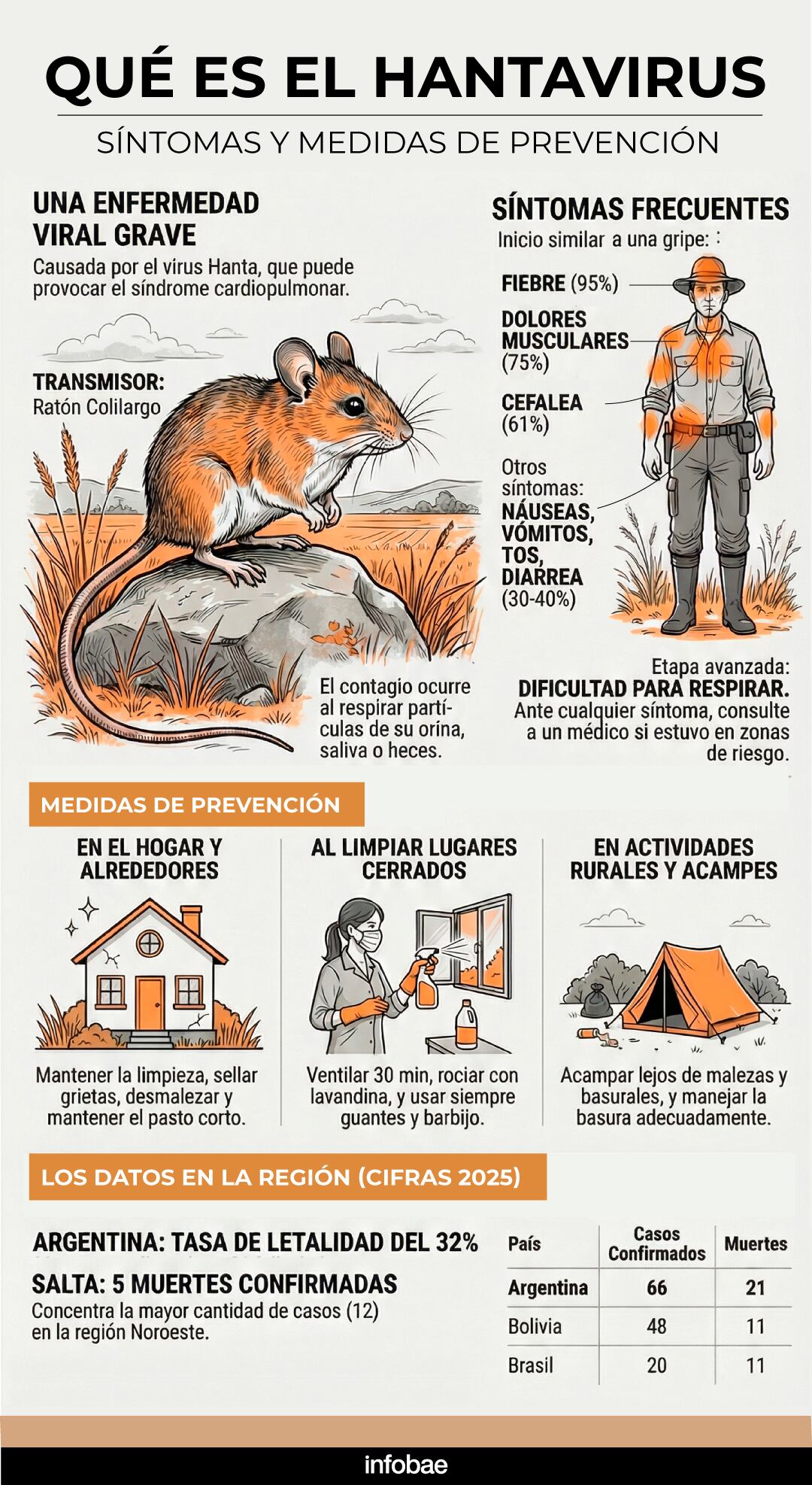
Argentina has expanded its investigation into potential rodent vectors of hantavirus, signaling a proactive approach to managing the disease’s spread. The initiative follows reports of increased cases in certain regions, with public health officials emphasizing the need for broader surveillance to identify at-risk populations and environmental factors.
What the Study Found
The research focuses on identifying rodent species that may harbor the hantavirus, particularly in areas where human cases have been reported. While specific findings remain under review, preliminary data suggest that environmental changes, including climate shifts, could be influencing rodent behavior and habitat ranges. This connection has prompted calls for interdisciplinary collaboration between ecologists, epidemiologists, and veterinarians to better understand transmission patterns.
Context and Expert Reactions
Health officials in Argentina have described the current hantavirus situation as “reasonably controlled,” though they acknowledge the importance of ongoing monitoring. Experts note that hantavirus outbreaks are often linked to rural or agricultural activities, where human-rodent interactions are more frequent. The decision to extend research to another province underscores the dynamic nature of the disease and the need for region-specific strategies.
Public health authorities have also highlighted the role of climate change in altering ecosystems, potentially increasing the risk of zoonotic diseases. This aligns with global trends where rising temperatures and shifting weather patterns are being studied for their impact on vector-borne illnesses.
Limitations and Unanswered Questions
While the expanded research represents a significant step, challenges remain. Limited data on rodent populations in remote areas and the complexity of hantavirus strains may hinder complete risk assessment. The long-term effects of climate change on disease transmission are not yet fully understood, requiring sustained study and resource allocation.
What’s Next
Researchers plan to conduct field studies in the newly targeted province, focusing on trapping and testing rodents for viral presence. Public health campaigns are also expected to intensify, with an emphasis on educating communities about preventive measures such as rodent-proofing homes and avoiding contact with wildlife. International health organizations have expressed interest in supporting these efforts, citing the potential for regional cooperation in tackling emerging infectious diseases.
