
Young Adult’s Sudden Cardiac Arrest: A Cautionary Tale of Silent Symptoms
At 22, the individual described in this account was leading a life marked by physical fitness and routine health practices. However, a series of unexplained events culminated in a cardiac arrest that left the person lifeless in a bathroom after two weeks of seemingly minor, unnoticed symptoms. This incident has sparked conversations about the importance of recognizing subtle health warnings and the potential risks of ignoring them, even in the absence of overt signs.
What Happened?
The narrative describes a young adult who, despite being physically active and seemingly healthy, experienced a sudden cardiac arrest. The individual collapsed in a bathroom after a period of two weeks during which they reported no significant physical discomfort. However, this period was marked by “silent” symptoms—subtle indicators that, in hindsight, could have warned of a serious underlying condition.
While the exact cause of the cardiac arrest is not detailed, such incidents often stem from undiagnosed heart conditions, arrhythmias, or other cardiovascular issues. The term “silent symptoms” refers to symptoms that do not immediately signal a medical emergency, making them easy to overlook. These can include fatigue, mild chest discomfort, shortness of breath, or unusual dizziness—symptoms that are often attributed to stress or lack of sleep.
The Role of Undiagnosed Conditions
Cardiologists emphasize that some heart conditions, such as hypertrophic cardiomyopathy or arrhythmogenic right ventricular cardiomyopathy, can present without obvious symptoms. These conditions may only become apparent during a medical emergency, such as a sudden cardiac arrest. For young adults, who are often perceived as being in peak physical condition, this can be particularly alarming.
Medical experts advise that individuals, especially those with a family history of heart-related issues, should not dismiss persistent symptoms. Regular check-ups and awareness of personal health history are crucial. In some cases, genetic testing or specialized cardiac screenings may be necessary to identify risks that are not apparent through routine exams.
Why This Matters: The Broader Implications
This incident underscores the importance of proactive health management, even for those who feel invulnerable. It also highlights the need for increased public awareness about sudden cardiac arrest (SCA) and the importance of early intervention. According to the American Heart Association, SCA is a leading cause of death in the United States, with survival rates dropping by 10% for every minute without treatment.
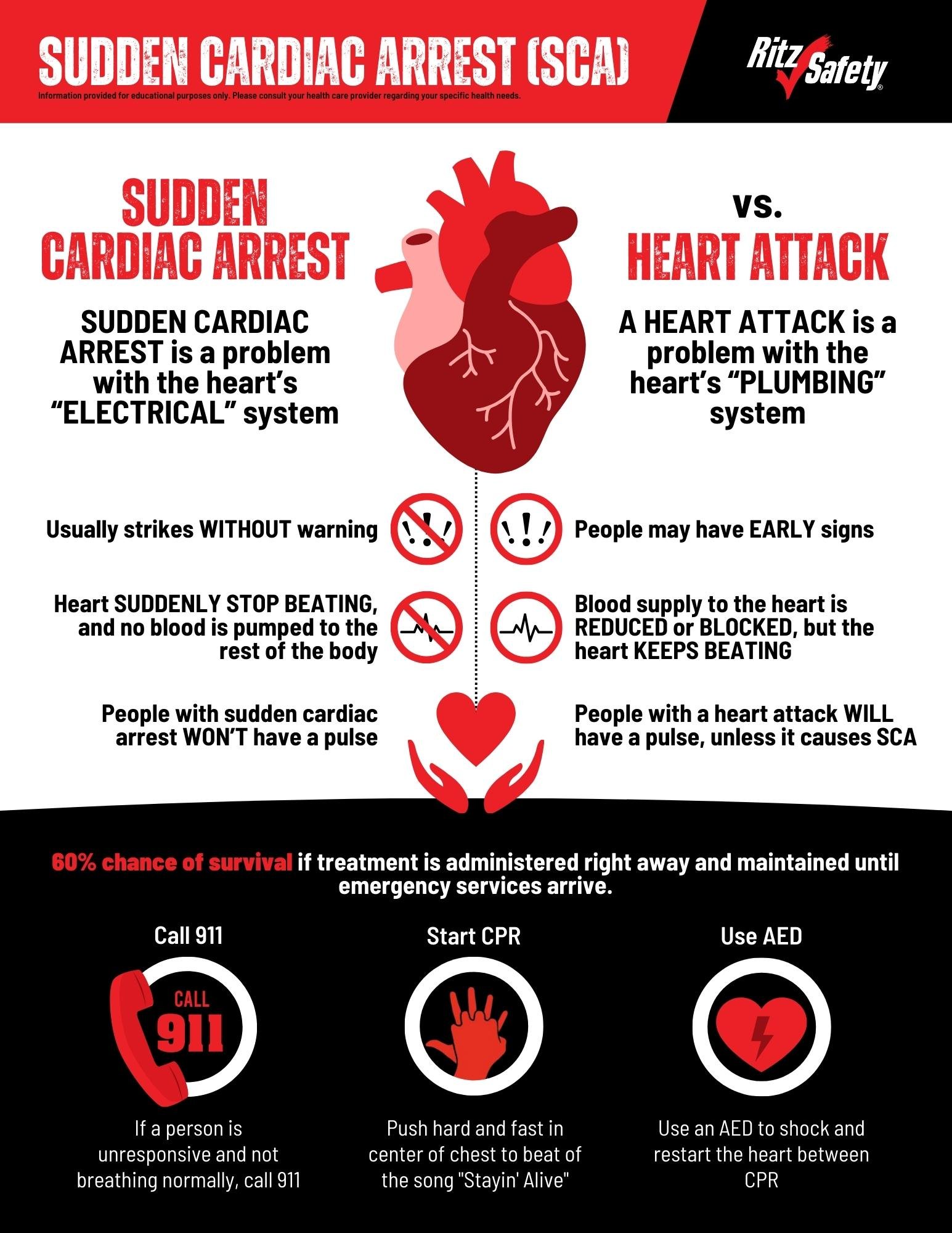
Health organizations recommend that individuals, particularly young people, be educated about the signs of SCA and the importance of having automated external defibrillators (AEDs) readily available in public spaces. Training in cardiopulmonary resuscitation (CPR) can significantly improve survival rates during cardiac emergencies.
Expert Perspectives and Recommendations
Dr. Emily Torres, a cardiologist at the National Heart Institute, notes that “many young people assume they are immune to heart issues, but the reality is that
