WHO Launches £386m Initiative to Combat Escalating Ebola Outbreak Amid Regional Challenges
In a significant escalation of global health efforts, the World Health Organization (WHO) has announced a £386 million funding plan to address the surging Ebola outbreak, as reported by multiple international outlets. The initiative comes amid rising case numbers and complex challenges in containment, particularly in regions like the Democratic Republic of the Congo (DRC) and Uganda. This development underscores the urgency of coordinated international action to prevent further spread and mitigate the humanitarian impact.
The Escalating Crisis: Case Numbers and Regional Impact
Recent data indicates a troubling rise in Ebola cases, with health officials noting the virus’s persistence in certain regions despite prior containment efforts. The DRC, which has experienced multiple Ebola outbreaks in recent years, remains a focal point. While some areas have seen a decline in cases, the situation is far from resolved, with sporadic transmissions continuing to pose risks. Meanwhile, Uganda has reported a surge in fatalities, prompting renewed calls for immediate intervention.
According to the WHO, the outbreak’s resurgence has highlighted the need for sustained investment in surveillance, community engagement, and medical response. The organization emphasized that the £386 million plan will prioritize regions with the highest transmission rates, including cross-border areas where movement of people and goods complicates containment efforts.
Key Components of the WHO’s Funding Plan
- Surveillance and Early Detection: A significant portion of the funding will be allocated to strengthening disease monitoring systems. This includes deploying mobile testing units and training local health workers to identify and isolate cases rapidly.
- Community Outreach: The plan prioritizes educating at-risk populations about prevention measures, including safe burial practices and vaccination campaigns. Community leaders will play a critical role in addressing misinformation and fostering trust in healthcare initiatives.
- Medical Supplies and Infrastructure: The funding will cover the procurement of personal protective equipment (PPE), diagnostic tools, and the establishment of temporary treatment centers in hard-to-reach areas.
- International Collaboration: The WHO is working closely with regional bodies like the Africa Centres for Disease Control and Prevention (Africa CDC) to ensure a unified response. Joint operations will focus on cross-border coordination, given the virus’s potential to spread rapidly through trade and migration routes.
Context and Challenges: A Persistent Threat
Although the DRC has made progress in curbing outbreaks in some areas, the virus’s resilience in others remains a major concern. Health experts have noted that the 2026 outbreak has been particularly challenging due to factors such as political instability, limited healthcare access, and vaccine hesitancy in certain communities. The WHO’s statement acknowledged that while progress has been made, the risk of resurgence persists, necessitating long-term strategies.

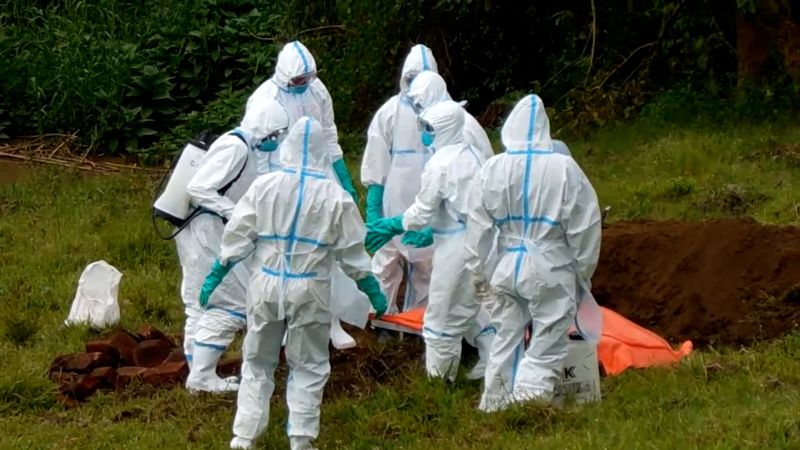
The situation in Uganda, where the death toll has risen sharply, adds another layer of complexity. The country’s proximity to the DRC and its role as a regional hub for trade and travel mean that any delay in response could lead to broader regional outbreaks. The WHO’s plan includes targeted interventions in Uganda, including rapid deployment of medical teams and support for local health authorities.
Historical Precedents and Lessons Learned
Historically, Ebola outbreaks have often been met with reactive measures rather than proactive strategies. The 2014-2016 West Africa epidemic, which claimed over 11,000 lives, underscored the importance of early intervention and international solidarity. More recently, the 2021 DRC outbreak, which saw over 100 fatalities, highlighted the challenges of maintaining public trust and ensuring access to vaccines in remote areas.
Experts argue that the current funding plan reflects a shift toward more sustainable approaches. By integrating local
