Ivanka Trump and Jared Kushner’s Albanian resort plan sets off days of protests – The Washington Post
The intersection of high-stakes international real estate and grassroots environmental activism has collided on the shores of the Adriatic. A proposed luxury development project linked to Jared Kushner and Ivanka Trump on Albania’s Sazan Island has transformed from a business venture into a catalyst for widespread civil unrest. What began as an ambitious plan to elevate Albania’s profile as a premier luxury destination has instead triggered days of protests, pitting the Albanian government’s vision of economic modernization against a public concerned with ecological preservation and national sovereignty.
At the heart of the controversy is the delicate balance between attracting foreign direct investment (FDI) and protecting the “pristine” nature of the Albanian coastline. For many citizens, the project represents more than just a hotel; it is seen as a symbol of the privatization of public assets and the influence of politically connected foreign billionaires. As the protests grow in scale, the situation has evolved into a broader debate about transparency, the rule of law, and Albania’s aspirations for European Union membership.
The Sazan Island Project: A Vision of Luxury Amidst Controversy
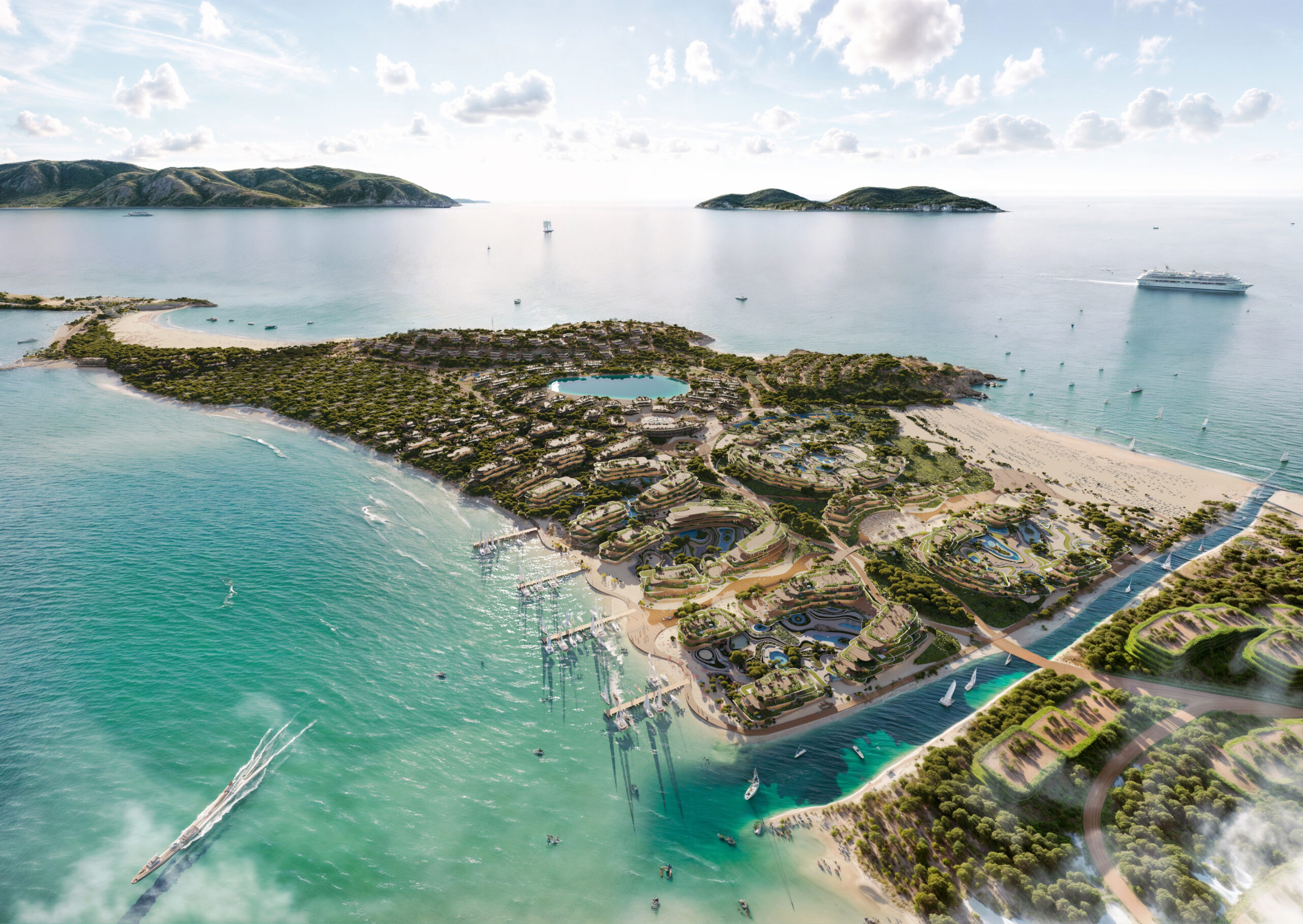
Sazan Island, a strategic and ecologically diverse territory off the coast of Vlorë, has long held a mysterious allure. Once a heavily fortified military base during the Cold War, the island is now viewed by developers as a blank canvas for “ultra-luxury” tourism. The plan, backed by Jared Kushner’s investment vehicles, envisions a transformation of this secluded landscape into a high-end resort destination catering to the global elite.
The project aims to integrate high-end hospitality with exclusive amenities, leveraging the island’s isolation to create a “sanctuary” experience. However, the very isolation that makes Sazan attractive to luxury investors is what makes it precious to environmentalists. The island is home to rare flora and fauna and serves as a critical waypoint for migratory birds, making any large-scale construction a point of intense scientific and social contention.
“The tension here is not merely about a building; it is about who owns the horizon. When public land is handed over to private foreign interests without transparent bidding or environmental safeguards, the public feels a loss of ownership over their own national heritage.”
Key Components of the Development Plan
- Exclusive Lodging: The construction of luxury villas and hotel suites designed for high-net-worth individuals.
- Infrastructure Overhaul: New docking facilities, transport links, and utility grids to support a permanent luxury population.
- Private Access: The creation of restricted zones that limit public access to previously open parts of the island.
- Eco-Tourism Branding: A marketing strategy that frames the development as “sustainable luxury,” a claim heavily disputed by local activists.
Chronology of the Unrest: From Announcement to Street Protests
The escalation of tensions did not happen overnight. It was a gradual build-up of frustration that culminated in the recent waves of demonstrations. The timeline reveals a pattern of perceived secrecy followed by sudden public revelations.
| Phase | Event | Public Reaction |
|---|---|---|
| Initial Planning | Preliminary agreements reached between investment groups and government officials. | Minimal awareness; limited reporting in local media. |
| The Leak | Reports emerge regarding the Trump-Kushner link to the Sazan Island venture. | Initial skepticism and calls for transparency from NGOs. |
| Project Formalization | Details of land concessions and tax incentives become public. | Outrage over “sweetheart deals” and lack of competitive bidding. |
| The Protests | Mass gatherings in Vlorë and Tirana; blockades of key access points. | Widespread demands for the project’s cancellation or total overhaul. |
The protests have been characterized by a diverse coalition of participants. While environmentalists lead the charge regarding the coastline’s protection, they are joined by political opposition groups and local fishermen who fear that the privatization of the island will disrupt traditional livelihoods and maritime access. The narrative surrounding Ivanka Trump and Jared Kushner’s Albanian resort plan sets off days of protests – The Washington Post highlights how the political identity of the investors has amplified the local grievances, turning a land-use dispute into a geopolitical statement.
The Environmental Stakes: Protecting the “Albanian Riviera”
Albania’s coastline, often referred to as the “last untouched frontier” of Europe, is under increasing pressure. The Sazan Island project is viewed by critics as a “Trojan horse” for unregulated development. The ecological risks are manifold, ranging from the destruction of coastal mangroves to the pollution of the surrounding marine ecosystem during the construction phase.
Threats to Biodiversity
Environmentalists argue that the introduction of heavy machinery and the construction of permanent concrete structures will irreversibly damage the island’s soil composition. The increase in yacht traffic and luxury transport could lead to:
- Coral and Seagrass Degradation: Anchoring and dredging activities can destroy Posidonia oceanica, a vital seagrass that sequesters carbon and protects the coast from erosion.
- Disruption of Avian Paths: Sazan is a critical stop for birds migrating between Africa and Europe; light pollution and structural barriers could disrupt these ancient patterns.
- Waste Management Challenges: Providing luxury amenities on a remote island requires complex waste and water treatment systems; any failure in these systems would lead to direct contamination of the Adriatic.
The contrast between the “green” rhetoric of the developers and the reality of large-scale construction has led to accusations of “greenwashing.” Activists argue that you cannot build a luxury enclave on a pristine island and call it “sustainable.”
Political Implications and the EU Connection
The controversy extends far beyond the shores of Sazan. Albania is currently in a rigorous process of seeking membership in the European Union (EU). A cornerstone of EU accession is the demonstration of the rule of law, transparency in governance, and adherence to strict environmental standards (the European Green Deal).
The EU has expressed concerns regarding the lack of transparency in how the Sazan project was brokered. When a government grants significant land concessions to foreign entities—especially those with high-profile political connections—without a transparent, competitive tender process, it raises red flags for Brussels. The perception that “political friendship” outweighs “legal procedure” could potentially slow Albania’s path toward EU integration.
The Conflict of Interest Narrative
The involvement of Jared Kushner and Ivanka Trump adds a layer of complexity. In the eyes of the protestors, the project is not just a business deal but a reward for political influence. This has led to a broader discussion about “captured states,” where national resources are leveraged to curry favor with powerful international figures. The Albanian government maintains that the investment will bring thousands of jobs and millions in revenue, but the public is questioning who actually benefits from this wealth.

For more on how international investments impact developing economies, you might find a related explainer on foreign direct investment risks useful.
Economic Promises vs. Local Realities
The government’s primary defense of the resort plan is economic growth. They argue that the “Trump-Kushner effect” will put Albania on the map for the world’s wealthiest travelers, creating a trickle-down effect for local businesses in Vlorë and surrounding regions.
The “Enclave Tourism” Model
Economists warn against the “enclave” model of tourism. In this scenario, the luxury resort operates as a self-contained bubble. Guests arrive by private jet or yacht, stay within the resort’s walls, and consume goods imported from abroad. The result is:
- Minimal Local Leakage: Very little of the money spent by guests actually enters the local economy.
- Low-Quality Employment: Most jobs created are low-wage service roles (cleaning, maintenance) rather than high-skill management positions.
- Inflationary Pressure: The arrival of ultra-wealthy tourists can drive up the cost of land and basic goods for local residents, effectively pricing them out of their own communities.
This economic disparity is a primary driver of the anger seen in the streets. The promise of “prosperity” feels hollow to a fisherman whose access to the waters around Sazan is now threatened by a private security perimeter.
Common Misconceptions Regarding the Sazan Development
In the whirlwind of social media reports and breaking news, several misconceptions have taken root. It is essential to clarify these points to understand the full scope of the conflict.
Misconception 1: The project is a government-owned venture.
In reality, the project is a private investment. The government’s role is that of a facilitator, providing the land and the legal framework (concessions) for the private developers to operate.
Misconception 2: The protests are purely political.
While political opposition is present, the movement is heavily driven by non-partisan environmental groups and local residents. The “political” nature of the investors has amplified the protests, but the core grievances are ecological and legal.
Misconception 3: Sazan Island is currently an empty wasteland.
Far from being “empty,” the island is a complex ecosystem and a site of historical significance. The “blank canvas” narrative used by developers ignores the existing biological and cultural value of the land.
Comparative Analysis: Luxury Tourism in the Mediterranean
The situation in Albania is not unique. Across the Mediterranean, the tension between “luxury development” and “environmental preservation” is a recurring theme. Similar conflicts have occurred in Greece, Croatia, and Montenegro.
In many of these cases, the pattern is identical: a government identifies a “pristine” area, grants a long-term lease to a foreign developer, and promises economic revitalization. Often, these projects lead to “over-tourism” or the degradation of the very beauty that attracted the investors in the first place. The Albanian case is distinct because of the high-profile nature of the investors, which has turned a local land dispute into a global news story.
By analyzing these parallels, it becomes clear that the Sazan Island protests are part of a larger global movement resisting the “privatization of nature.”
Frequently Asked Questions
Why is the Sazan Island project causing so many protests?
The protests are driven by a combination of environmental concerns, a perceived lack of transparency in the deal’s negotiation, and anger over the privatization of public land. The involvement of high-profile US figures like Jared Kushner and Ivanka Trump has further politicized the issue, leading to concerns about foreign influence and “sweetheart deals.”
What are the environmental risks associated with the resort?
The primary risks include the destruction of rare coastal habitats, the disruption of migratory bird patterns, and the potential for marine pollution in the Adriatic Sea. Critics argue that the infrastructure required for a luxury resort is incompatible with the island’s fragile ecosystem.

How does this affect Albania’s bid to join the European Union?
The EU requires candidate countries to demonstrate transparency, the rule of law, and commitment to environmental protection. The lack of a public tender for the Sazan project and the potential violation of “Green Deal” standards could be viewed negatively by EU regulators, potentially complicating the accession process.
Will the resort create jobs for local Albanians?
While the government claims the project will create thousands of jobs, critics argue these will be primarily low-wage service positions. They warn that the “enclave” nature of luxury resorts often prevents significant economic benefits from reaching the local population.
Is the project still moving forward despite the protests?
The Albanian government has largely defended the project, but the intensity of the protests and the scrutiny from international bodies like the EU have forced a period of heightened tension. Whether the plans will be modified or cancelled depends on the government’s willingness to compromise with local stakeholders.
The Path Forward for Sazan Island
The standoff over Sazan Island serves as a litmus test for Albania’s democratic maturity and its commitment to sustainable development. The resolution of this conflict will likely set a precedent for how the country handles foreign investment in its natural landscapes moving forward.
For the project to move forward without further unrest, a shift toward radical transparency is required. This would involve an independent environmental impact assessment, a public audit of the concession terms, and a genuine dialogue with the local communities of Vlorë. Without these steps, the resort may be built, but it will stand as a monument to division rather than a beacon of prosperity.
As the international community watches, the struggle over Sazan Island remains a poignant reminder that in the modern era, the value of “pristine” land is measured not just in potential revenue, but in the ecological and social health of the people who call that land home. The eyes of the world, and the scrutiny of the EU, will remain fixed on this small island in the Adriatic to see which vision of the future prevails: one of exclusive luxury or one of inclusive preservation.
