
The diplomatic landscape between Washington and Tehran remains volatile, characterized by a sharp disconnect between public claims of progress and explicit military warnings. While Donald Trump has maintained that peace negotiations with Iran are proceeding well, the rhetoric from both sides suggests a precarious balance between diplomacy and the threat of renewed conflict.
Fast Facts
- U.S. Condition: The immediate reopening of the Strait of Hormuz is a primary requirement for a potential agreement.
- U.S. Red Line: Trump has warned of a “resumption of conflict” should American soldiers be killed.
- Iranian Position: Tehran claims there has been “no tangible progress” in negotiations with the United States.
- Regional Threat: Iran has warned that any Israeli strike on Beirut would trigger a “large-scale resumption of war.”
Conflicting Narratives on Diplomacy
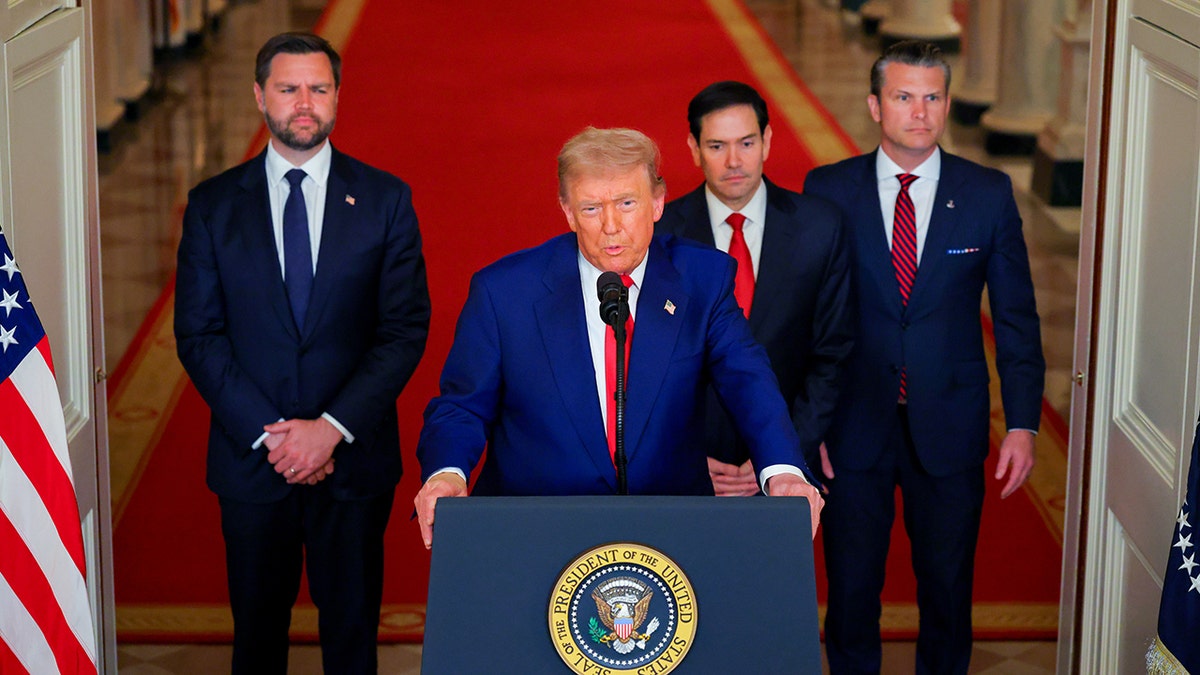
Despite ongoing attacks involving both parties, the U.S. Administration continues to signal a willingness to negotiate. According to public statements, the current trajectory of peace talks is viewed positively by the American side. However, this optimism is not shared in Tehran.
Iranian officials have countered these claims, stating that negotiations have failed to yield any concrete results. This divergence in narratives highlights the deep-seated mistrust that continues to hinder a formal resolution to the long-standing geopolitical friction between the two nations.
Maritime Security and Military Constraints
A central pillar of the U.S. Strategy involves the Strait of Hormuz, one of the world’s most critical oil transit chokepoints. The reopening of this waterway is cited as a non-negotiable point for any future deal with Iran, reflecting the global economic importance of ensuring unobstructed maritime traffic in the region.
Parallel to these diplomatic demands are stern military warnings. The threat of escalation remains high, specifically regarding the safety of U.S. Personnel. As reported by international observers, the U.S. Has made it clear that any Iranian action resulting in the deaths of American soldiers would lead to a direct return to active conflict.
The Lebanon Flashpoint
The tension extends beyond the direct U.S.-Iran relationship, weaving into the broader instability of the Middle East. Iran has explicitly linked its military response to the actions of Israel in Lebanon.
Iran warned that any attack by Israel on Beirut would trigger a “large-scale resumption of war.”
This statement underscores Iran’s role as a regional power capable of expanding a localized conflict into a wider war, positioning the stability of the Lebanese capital as a critical trigger for regional escalation.
