‘What we have is a moment for respect’ – Paul Mescal issues statement in support of trans rights – Irish Independent
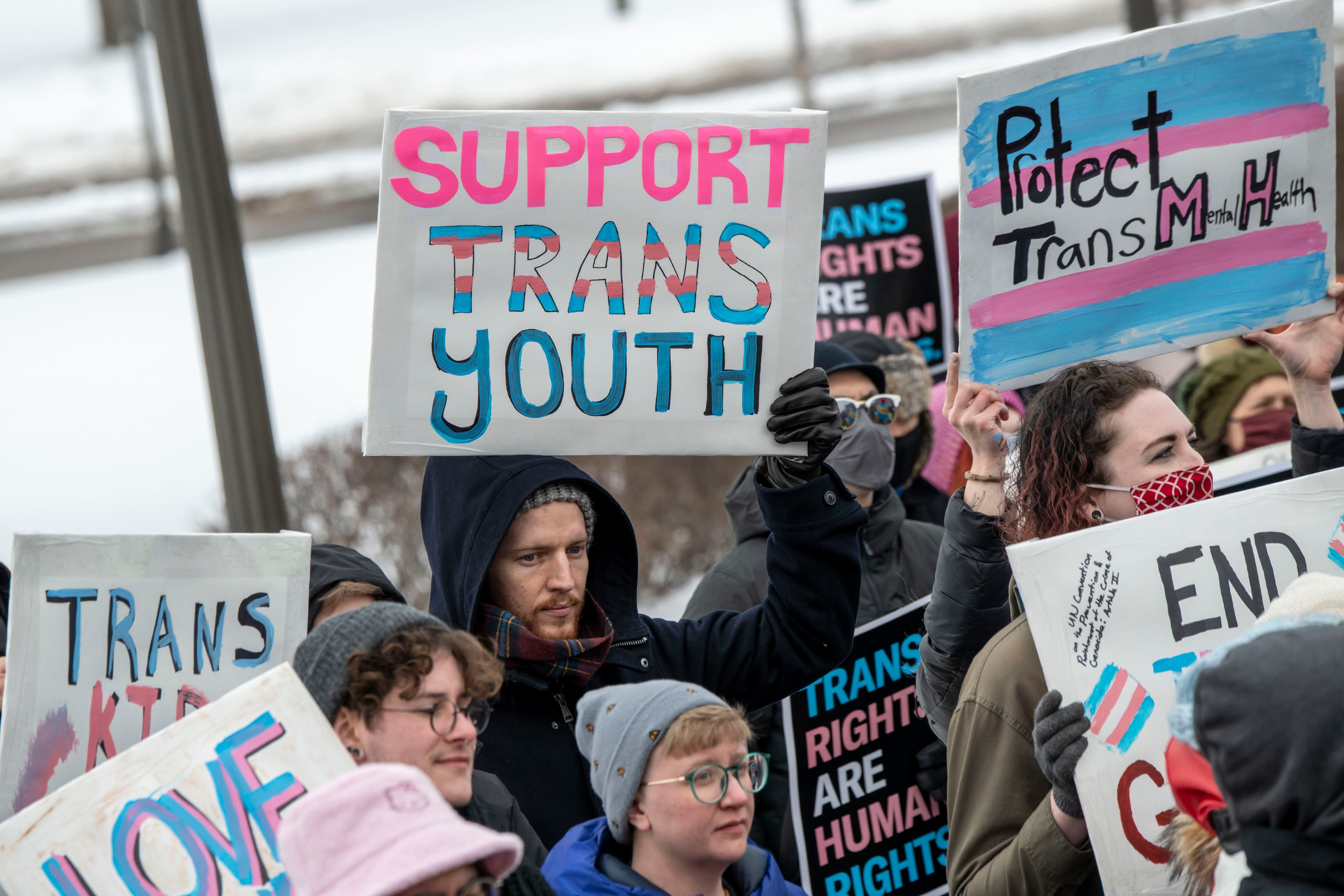
In a move that has sparked widespread conversation across social media and within the entertainment industry, acclaimed actor Paul Mescal has broken his silence on one of the most polarizing social issues of the modern era. By declaring that “this is a moment for respect,” Mescal has stepped into the public arena to advocate for transgender rights, emphasizing the urgent need for visibility and protection for the trans community. His statement comes at a time of heightened global tension, where legislative battles and cultural clashes over gender identity have become central to political discourse in the West.
The decision by Mescal—an actor known for his reserved nature and selective public engagement—to issue a firm endorsement of trans rights is seen by many as a significant gesture. By stating that it feels “more and more pressing” to make his voice heard, Mescal is not merely offering a passive nod of support but is acknowledging a deteriorating climate for transgender individuals. This intervention highlights a growing trend of high-profile figures using their cultural capital to shield marginalized groups from systemic hostility.
Analyzing the Core of the Statement
The phrasing of Mescal’s message is telling. By framing the issue as a “moment for respect,” the actor pivots the conversation away from purely ideological or clinical debates and toward a fundamental human right: the right to exist with dignity. This rhetorical choice is strategic; “respect” is a universal value that transcends political affiliation, making the plea more accessible to a broader audience while remaining uncompromising in its support for the trans community.
The urgency mentioned in his statement—the feeling that We see “pressing” to speak out—reflects a broader awareness of the current geopolitical landscape. Across various jurisdictions, we are witnessing a surge in legislation targeting gender-affirming care and the legal recognition of transgender identities. For a public figure with Mescal’s reach, the choice to speak now is a recognition that silence can often be interpreted as complicity in the face of systemic erasure.
“It feels more and more pressing that we make our voices heard.”
This sentiment underscores a shift in celebrity activism. Where previous generations of stars might have avoided “controversial” topics to maintain a broad commercial appeal, the current vanguard of talent—particularly those emerging from the Gen Z and Millennial cohorts—often views social advocacy as an integral part of their public identity.
The Socio-Political Context: Why This Matters Now
To understand the impact of Paul Mescal’s statement, one must examine the current state of transgender rights globally. The “pressing” nature of the situation he refers to is evidenced by several key trends:
- Legislative Rollbacks: In various U.S. States and parts of Europe, there has been a concerted effort to restrict access to gender-affirming healthcare, even for adults, and to limit the ability of trans individuals to use facilities that align with their gender identity.
- Cultural Polarization: The rise of “culture war” politics has placed transgender identities at the center of a tug-of-war between progressive inclusivity and traditionalist views of biological determinism.
- Increased Violence and Harassment: Statistics from human rights organizations consistently show a rise in hate crimes and online harassment targeting trans people, particularly trans women of color.
When an actor of Mescal’s stature enters this conversation, he provides a form of “social validation.” For transgender youth and adults who often feel isolated or vilified by political rhetoric, seeing a widely admired figure champion their right to respect can have a profound psychological impact, signaling that they are seen and valued by the wider culture.
The Irish Landscape and the Global Stage
As an Irish citizen, Mescal’s voice carries specific weight within the context of Ireland’s own social evolution. Ireland has undergone a rapid transformation in the last decade, moving from a deeply conservative society to a leader in LGBTQ+ rights—most notably with the 2015 marriage equality referendum.
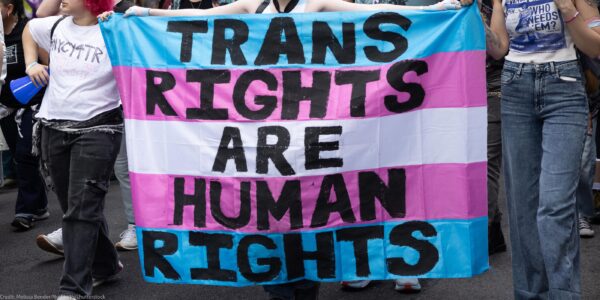
However, the journey for transgender rights in Ireland has been distinct from that of the broader gay and lesbian community. While the Gender Recognition Act 2015 allowed for a move toward self-determination, advocates argue that the healthcare system still lags behind, with long waiting lists and a lack of specialized care. Mescal’s statement aligns him with a domestic movement that seeks to bring trans rights to the same level of societal acceptance as marriage equality.
| Region | Current Trend in Trans Rights | Primary Point of Conflict |
|---|---|---|
| European Union | Mixed; some nations moving toward self-ID, others tightening restrictions. | Legal gender recognition and healthcare access. |
| United States | Highly polarized; significant legislative pushback in conservative states. | Gender-affirming care for minors and bathroom legislation. |
| Ireland | Generally progressive but struggling with healthcare infrastructure. | Wait times for gender-affirming services and social integration. |
The Power and Pitfalls of Celebrity Advocacy
The intersection of celebrity and activism is a complex space. Critics often dismiss such statements as “performative activism”—the act of supporting a cause to enhance one’s personal brand without engaging in the actual labor of systemic change. However, the nuance of Mescal’s approach suggests a more considered position.
Unlike celebrities who post vague slogans, Mescal’s emphasis on “respect” and the “pressing” nature of the moment suggests an awareness of the immediate dangers facing the community. When performed authentically, celebrity advocacy serves several critical functions:
- Agenda Setting: Celebrities can force a topic into the mainstream news cycle, compelling people who are not typically engaged with the issue to learn more about it.
- Humanization: By associating trans rights with a beloved public figure, the issue is shifted from an abstract political debate to a matter of human empathy.
- Pressure on Policy Makers: When a significant portion of the public—influenced by their cultural icons—demands respect and rights for a marginalized group, politicians are more likely to consider the electoral cost of discriminatory policies.
For a deeper dive into how public figures influence social change, you may find a related explainer on celebrity activism and social justice useful.
Common Misconceptions Regarding Trans Rights
The backlash that often follows statements like Mescal’s usually stems from a set of common misconceptions. To provide a balanced view, it is essential to address these points with factual clarity:
Misconception 1: Supporting Trans Rights Erodes Women’s Rights
A frequent argument in the “gender critical” movement is that the inclusion of trans women in female spaces threatens the safety or rights of cisgender women. However, sociological data and reports from shelters and sports organizations suggest that inclusive policies do not increase risk. In fact, trans women are statistically far more likely to be victims of violence than perpetrators.
Misconception 2: Gender-Affirming Care is “Experimental”
Opponents often claim that medical transitions are rushed or unfounded. In reality, gender-affirming care is governed by strict clinical guidelines developed by major medical bodies, including the World Professional Association for Transgender Health (WPATH). For many, this care is life-saving, significantly reducing rates of depression, and suicide.
Misconception 3: Trans Rights are “New” or “Modern”
While the terminology has evolved, gender-nonconforming and transgender people have existed across cultures and centuries—from the Two-Spirit people in Indigenous North American cultures to the Hijra in South Asia. The current “debate” is not about the existence of trans people, but about their legal and social recognition in a modern state.
The Broader Implications for the Entertainment Industry
Paul Mescal is part of a new generation of actors who are redefining the “leading man” archetype. His willingness to speak on trans rights reflects a broader shift in Hollywood and the global arts scene toward a more inclusive definition of masculinity. By championing the rights of others, Mescal challenges the traditional expectation that male stars should remain neutral or “apolitical” to maintain their mass appeal.
:max_bytes(150000):strip_icc():focal(749x0:751x2)/paul-mescal-gq-magazine-101524-1-c6552c9acbfc4691aff464e49be90dd6.jpg "Paul Mescal Issues Statement")
This trend is likely to accelerate. As the demographics of cinema-goers shift toward younger audiences who prioritize social ethics, the industry is seeing a rise in “conscious casting” and public endorsements of LGBTQ+ rights. This creates a feedback loop: as more stars speak out, it becomes safer and more common for others to do so, eventually shifting the “Overton Window”—the range of policies acceptable to the mainstream population.
Key Takeaways from the Mescal Statement
- Human-Centric Approach: By focusing on “respect,” Mescal avoids the trap of purely political jargon and appeals to basic human decency.
- Timeliness: The statement is a direct response to a global increase in anti-trans rhetoric and legislation.
- Influence: Mescal utilizes his platform to provide visibility and validation to a community currently facing systemic erasure.
- Cultural Shift: This reflects a broader trend of modern actors integrating social advocacy into their public personas.
Frequently Asked Questions
Why did Paul Mescal issue a statement on trans rights now?
Mescal indicated that the current social and political climate has made it “pressing” to speak out. This likely refers to the increase in discriminatory legislation and the rise in hate speech targeting the transgender community globally.
What does “a moment for respect” mean in this context?
It suggests that regardless of one’s personal or political beliefs, every individual deserves fundamental respect and dignity. It frames trans rights not as a political debate, but as a matter of basic human rights.
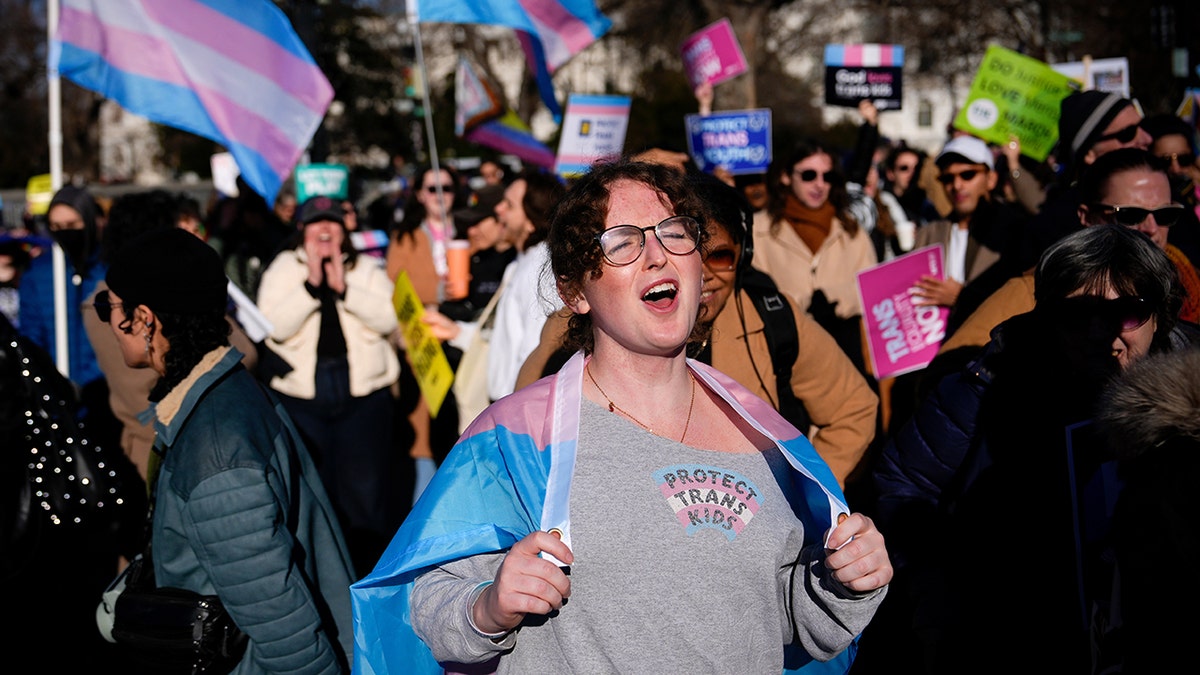
Is this the first time Paul Mescal has spoken on social issues?
While Mescal is generally private about his personal life, he has occasionally aligned himself with progressive values. However, this specific statement is one of his most direct and public endorsements of transgender rights to date.
How has the public responded to his statement?
The response has been largely positive from LGBTQ+ advocates and fans who appreciate his use of platform for advocacy. As with most high-profile social statements, there has been some pushback from conservative circles, but the general consensus among his core demographic is one of support.
What is the legal status of trans rights in Ireland?
Ireland allows for legal gender recognition via the Gender Recognition Act 2015, which permits individuals to change their legal gender. However, We find ongoing discussions regarding the improvement of healthcare access and the removal of remaining bureaucratic hurdles for trans citizens.
The act of speaking out in a polarized environment is rarely without risk, but for Paul Mescal, the risk of silence appears to have outweighed the risk of speaking. By centering his message on respect, he has not only supported a marginalized community but has also set a standard for how public figures can engage with complex social issues with grace and conviction. As the global conversation regarding gender identity continues to evolve, the influence of such statements will likely play a role in shaping the cultural landscape of the coming decade.
