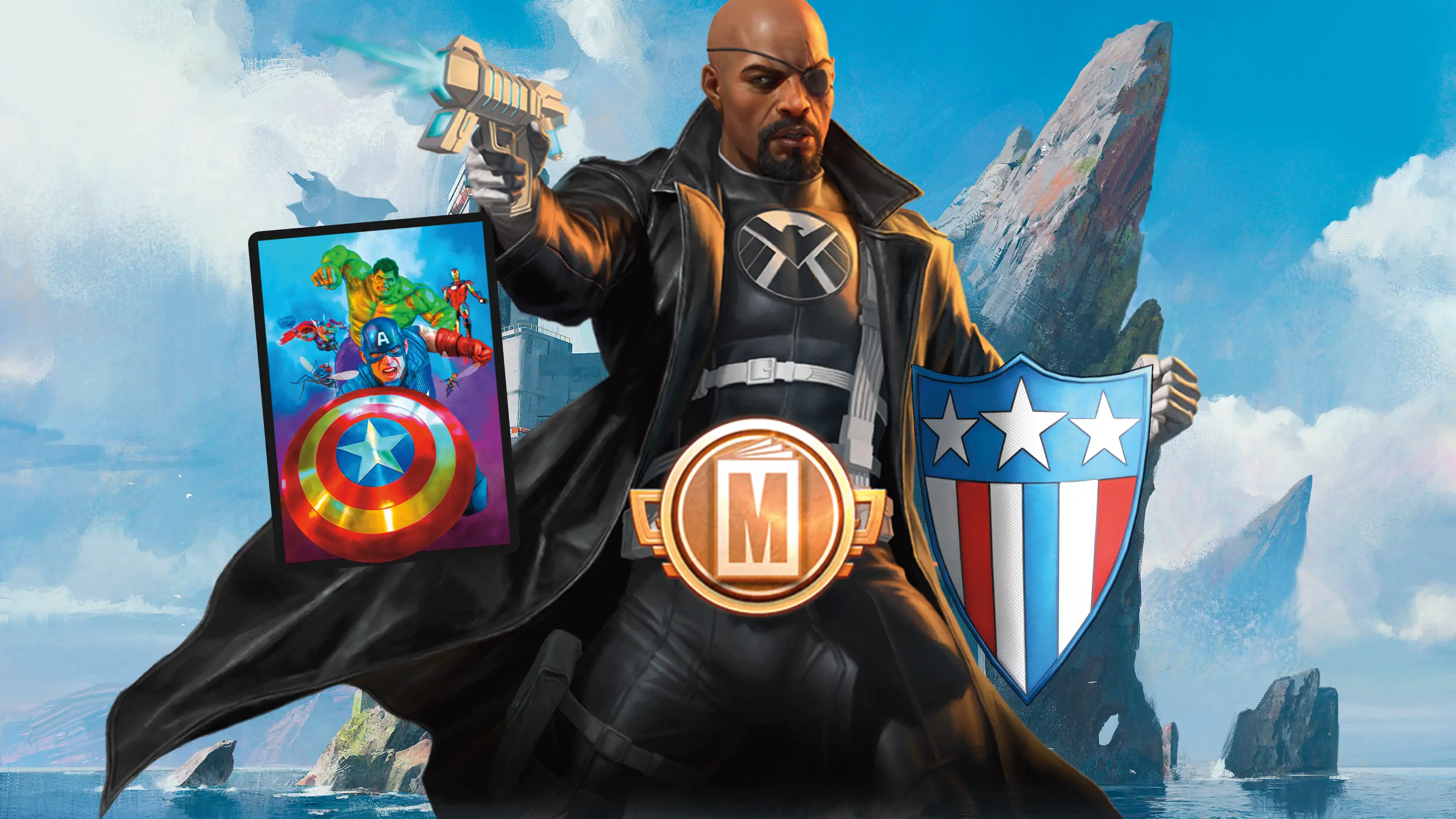
Magic: The Gathering® Marvel Super Heroes Set: A Deep Dive Into the New Mechanics, Powerhouse Cards, and What They Mean for Competitive Play
The latest collaboration between Magic: The Gathering and Marvel has arrived, and it’s not just about iconic superheroes and villains on cards—it’s about a fundamental shift in how the game is played. The Marvel Super Heroes set introduces mechanics that redefine player strategy, with cards that blur the line between comic book lore and high-stakes tournament play. From leaked Wolverine combos that could dominate the meta to unexpected crossover synergies (like a Final Fantasy villain wielding Thor’s hammer), this set is as much about innovation as it is about nostalgia. But what does it all mean for casual players, collectors, and competitive decks? And how might these mechanics reshape the game’s future?
This guide breaks down the core mechanics, highlights the most impactful cards, explores their implications for the Magic community, and answers the questions every player is asking—from how to build around these new abilities to whether they’ll stand the test of time.
— ###
The Marvel Set’s Game-Changing Mechanics: What’s New?
The Marvel Super Heroes set isn’t just another themed expansion—it’s a strategic overhaul. Wizards of the Coast has introduced mechanics designed to feel like Marvel’s own storytelling: dynamic, unpredictable, and often tied to a character’s signature traits. Here’s what players need to know.
####
1. “Heroic Intervention” – The Core Mechanic
At the heart of the set is Heroic Intervention, a triggered ability that lets players respond to an opponent’s move by playing a card from their hand—even if it’s not their turn. This mechanic mirrors Marvel’s tradition of last-minute rescues (think Spider-Man swinging in at the 11th hour) and forces players to adapt mid-game.
- How it works: When a player casts a spell or attacks, an opponent can pay {1} and play a Heroic Intervention card from their hand. The card enters the battlefield or resolves immediately.
- Key examples:
- Captain America’s Shield – A legendary artifact that, when cast, lets you draw a card and gain 2 life. Playing it as a Heroic Intervention means you can draw and stabilize your board on the spot.
- Wolverine’s Claws – A 2/2 creature for {1}{R} that deals damage to any target when it enters the battlefield. As a Heroic Intervention, it can turn the tide of a battle in seconds.
- Strategic impact: This mechanic encourages aggressive play but also rewards reactive strategies. Players must now consider not just their own turns but how their opponent might disrupt their plans.
####
2. “Legendary Synergies” – Team-Ups on the Battlefield
Marvel is built on team-ups, and this set reflects that with Legendary Synergies. Certain legendary creatures (like the Avengers or X-Men) grant bonuses when other specific legendary creatures enter the battlefield. For example:
- Iron Man and War Machine – When both are on the battlefield, they grant each other haste and trample, turning them into unstoppable combat units.
- Storm and Cyclone – Their combined abilities create a storm-like effect, forcing opponents to discard cards or tap down creatures.
Why it matters: This mechanic rewards deck-building around iconic Marvel teams, making it a favorite for players who love lore-driven strategies. It also adds a layer of depth to creature interactions, as players must now consider not just individual card power but how their entire team plays together.
####
3. “Villainous Schemes” – The Dark Side of the Set
Not all cards in the set are heroes. The Villainous Schemes mechanic introduces a new type of enchantment that forces players to make tough choices. These cards often impose ongoing penalties unless the player meets certain conditions—like sacrificing creatures or discarding cards.
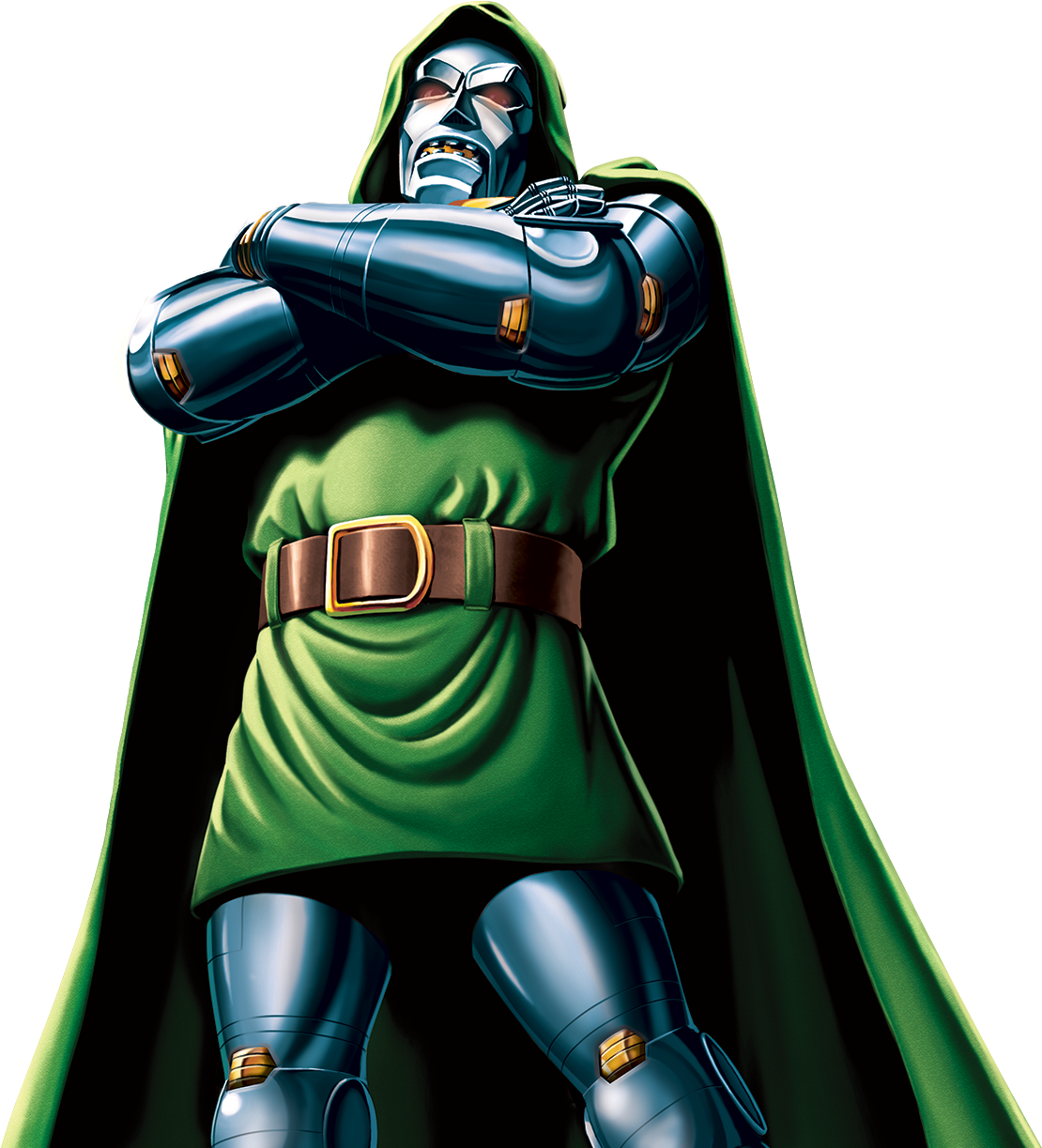
- Example: Doctor Doom’s Ambition – An enchantment that says, “At the beginning of your upkeep, sacrifice a creature or pay {2}{B}{B}.” If you can’t, you lose 3 life.
- Example: Thanos’ Quest – Forces players to discard cards until they’ve discarded three, then lets them draw seven. The risk-reward balance makes it a high-stakes play.
Impact on gameplay: These cards add a layer of psychological tension, forcing players to weigh short-term gains against long-term stability. They’re particularly potent in control decks, where disrupting the opponent’s resources is key.
— ###
Leaked Cards and the Competitive Fallout: What’s Breaking the Meta?
Before the set’s official release, whispers in the Magic community revealed a few cards that could reshape competitive play—some for better, some for worse.
####
The Wolverine Combo: Infinite Damage or Overpowered Stunt?
A leaked card featuring Wolverine has sent shockwaves through the competitive scene. When combined with certain Izzet (blue-red) spells, the card’s ability allows players to deal an unlimited amount of damage in a single turn—a so-called “infinite combo.”
- How it works:
- Play Wolverine’s Claws, which deals damage to any target when it enters the battlefield.
- Cast an Izzet spell that lets you cast an instant or sorcery from your graveyard for free.
- Use that spell to recast Wolverine’s Claws, repeating the damage deal indefinitely.
- Current stance: Wizards of the Coast has not yet banned the combo, but many players and streamers are calling for a preemptive restriction. The Magic Rules Committee is reportedly reviewing the situation.
- Community reaction:
- Pros: Adds excitement and depth to competitive play.
- Cons: Could lead to a meta dominated by a single deck archetype, reducing variety.
What’s next: If the combo isn’t banned, expect to see it in high-level tournaments within weeks. If it is banned, Wizards may need to adjust the card’s text or power level in future printings.
####
Thor’s Hammer: A Crossover That Defies Expectations
One of the most talked-about cards in the set is a crossover between Marvel and Final Fantasy lore: a villain wielding Thor’s hammer. While the exact mechanics aren’t fully confirmed, early reports suggest it functions as a legendary artifact that can be equipped to creatures, granting them +3/+3 and indestructible until end of turn.
- Why it’s notable:
- Breaks the “one franchise per set” tradition, hinting at future crossovers.
- Offers a unique way to protect high-value creatures in competitive decks.
- Potential downside: If overpowered, it could become a staple in every aggressive deck, similar to how Lightning Greaves dominated past formats.
— ###
Who’s Behind the Set? The Stakeholders and Their Goals
The Marvel Super Heroes set is the result of a collaboration between two giants: Wizards of the Coast (the creators of Magic: The Gathering) and Marvel Entertainment. Each has distinct goals for this expansion.

####
Wizards of the Coast: Expanding the Game’s Appeal
Wizards has long used themed sets to attract new players and keep the game fresh. The Marvel collaboration serves multiple purposes:
- Broaden the player base: Marvel’s global fanbase (over 10 million members, per Amnesty International’s model of how niche communities grow) introduces Magic to casual gamers who may not have explored the game otherwise.
- Innovate mechanics: The set’s unique abilities (like Heroic Intervention) push the game’s design boundaries, keeping veteran players engaged.
- Merchandising synergy: The set aligns with Marvel’s broader entertainment ecosystem, from comics to movies, creating cross-promotional opportunities.
####
Marvel Entertainment: Storytelling and IP Expansion
For Marvel, this set is about:
- Deepening fan engagement: By letting players “experience” Marvel’s universe through Magic, Marvel reinforces its brand loyalty among gamers.
- Testing new IP combinations: The crossover with Final Fantasy suggests Marvel is exploring unexpected collaborations to keep its content fresh.
- Educational outreach: The set’s mechanics (like team synergies) can be used to teach players about Marvel’s lore and character dynamics.
####
The Competitive Community: A Divided Reaction
Competitive players are typically the most vocal about new sets, and the Marvel Super Heroes expansion has sparked debate:
- Supporters: Praise the set for its creative mechanics and the opportunity to build decks around beloved characters.
- Critics: Argue that some cards (like the Wolverine combo) could dominate the meta too quickly, leading to a less diverse competitive scene.
- Neutrals: See the set as a fun but niche addition, unlikely to replace core Magic mechanics in the long term.
— ###
Why This Set Matters: The Bigger Picture
The Marvel Super Heroes set is more than just a collection of flashy cards—it’s a reflection of how Magic: The Gathering is evolving. Here’s why it could be a turning point for the game:
####
1. The Rise of Thematic Mechanics
Previous sets like Khans of Tarkir and Ixalan introduced mechanics tied to specific themes (e.g., tribal, exploration). The Marvel set takes this further by tying mechanics to character arcs and team dynamics. This approach could influence future sets, making Magic feel more like a living story than a static card game.
####
2. Crossover Culture in Gaming
The inclusion of a Final Fantasy villain in a Marvel set signals a shift in how gaming IPs interact. With franchises like Star Wars, DC, and Final Fantasy all vying for player attention, Magic is positioning itself as a hub for these collaborations. This could lead to more unexpected mashups in the future.
####
3. The Balance Challenge
No set is perfect, and the Marvel Super Heroes expansion is already facing scrutiny over its power level. The Wolverine combo, in particular, highlights a broader issue in Magic: how to introduce exciting new mechanics without breaking the game. Wizards’ ability to navigate this balance will determine whether future sets can innovate without alienating competitive players.

####
4. Collectibility and Nostalgia
For many players, Magic is as much about collecting as it is about playing. The Marvel set taps into nostalgia, offering cards that appeal to both lifelong Marvel fans and Magic veterans. Limited-edition foil variants (like a gold-plated Thor card) are already selling out, underscoring the set’s commercial appeal.
— ###
What’s Next? Watching the Meta Shift
The Marvel Super Heroes set is still unfolding, but a few key developments are worth tracking:
- Banlist updates: Will Wizards preemptively ban the Wolverine combo, or will it become a staple in competitive decks for months?
- Deck innovation: How will players adapt Heroic Intervention and Legendary Synergies into their strategies? Expect to see new archetypes emerge in the coming weeks.
- Community feedback: The Magic community is highly vocal, and their reactions will shape how future Marvel-related content is developed.
- Future crossovers: If this set succeeds, we may see more unexpected collaborations—perhaps Star Wars vs. Dragon Ball or DC vs. Overwatch.
One thing is certain: the Marvel Super Heroes set isn’t just another expansion—it’s a bold experiment in how Magic: The Gathering can blend storytelling, strategy, and pop culture. Whether it becomes a defining moment for the game or a fleeting trend remains to be seen.
— ###
Frequently Asked Questions
Q: How do I build a deck around Heroic Intervention?
A: Focus on cards that can be played as Heroic Interventions (like instant-speed spells or creatures) and include removal or board wipes to punish opponents when they can’t respond. A mix of Izzet (blue-red) and Boros (red-white) cards often works well for this strategy.
Q: Are there any legal restrictions on the Wolverine combo?
A: As of now, the combo is legal, but Wizards may ban it in future updates. Competitive players should monitor the Magic Rules Committee’s announcements closely.
Q: Can I play Marvel Super Heroes cards in Commander or other casual formats?
A: Yes! The set includes cards suitable for Commander, Pioneer, and Modern, though some may require tuning (e.g., removing too-powerful combos). Many players are already experimenting with Marvel-themed Commander decks.
Q: Will there be more Marvel sets in the future?
A: While Wizards hasn’t confirmed a full Marvel block, the success of this set could lead to more Marvel-themed expansions. Fans are already speculating about potential sets like Marvel: X-Men vs. Avengers or Marvel: Secret Wars.
Q: How do Legendary Synergies work in competitive play?
A: These synergies are most effective in midrange or control decks, where you can slowly assemble a team of legendary creatures. For example, playing Iron Man and War Machine together turns them into a powerful combat unit that can swing games.
Q: Are there any villains I should avoid in my deck?
A: Cards like Doctor Doom’s Ambition or Thanos’ Quest can be powerful but risky. They’re best suited for control decks that can handle the long-term penalties. Aggressive decks may struggle with their upkeep costs.
—
For players eager to dive in, the Marvel Super Heroes set offers a rare blend of innovation and nostalgia. Whether you’re a competitive player hunting for the next big combo or a casual fan building a deck around your favorite heroes, this expansion delivers on multiple fronts. The only question left is: Will it redefine Magic: The Gathering, or will it remain a beloved but niche experiment?
Looking for more insights on competitive Magic strategies? Check out our related explainer on modern deck-building trends.
