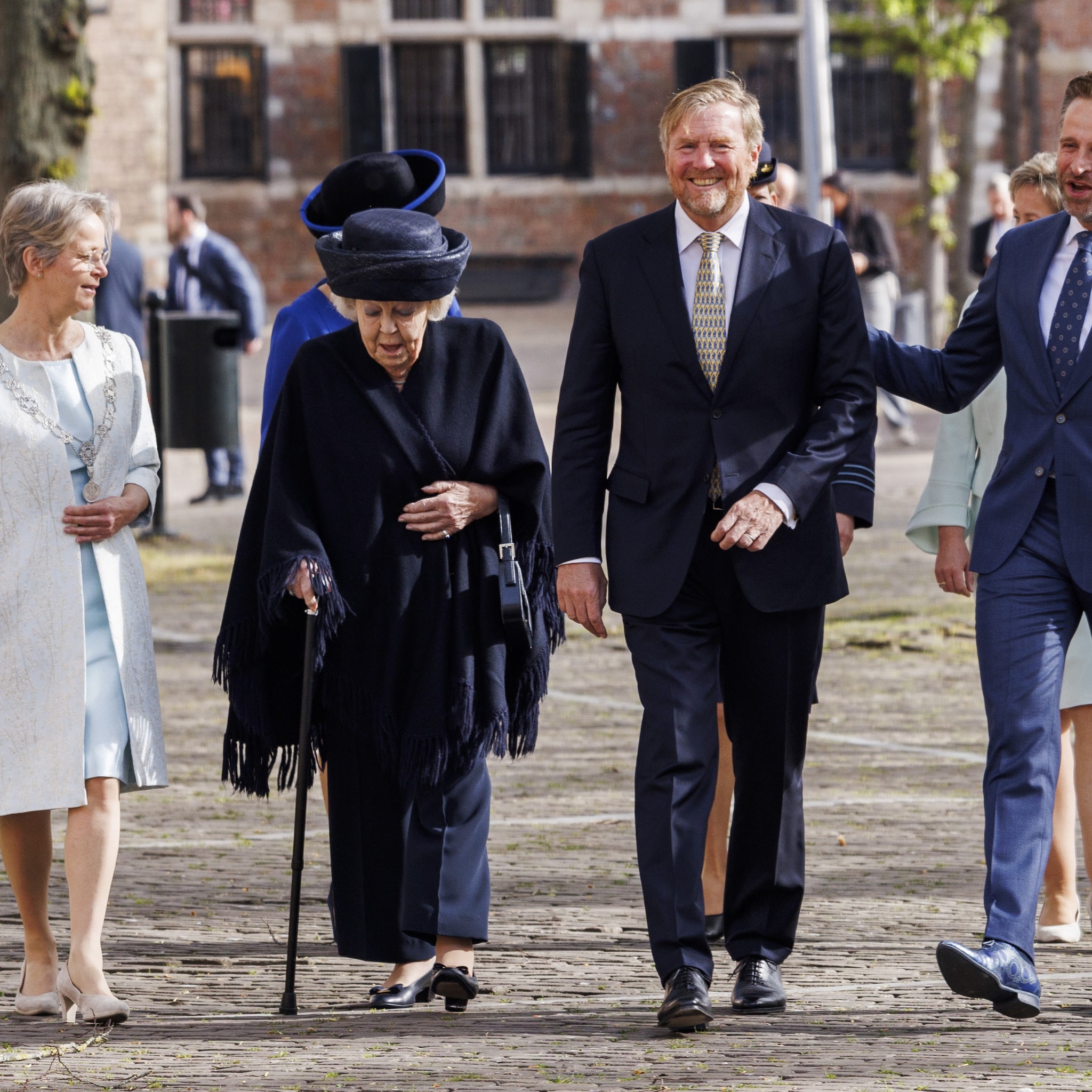
The Dutch monarchy isn’t just a ceremonial institution—it’s a cultural touchstone, and when its members step into the spotlight, their actions are scrutinized with a microscope. So when King Willem-Alexander of the Netherlands began receiving sharp criticism from the public, the backlash wasn’t just political or personal—it was deeply personal, delivered in the most direct way possible: through the mail.
According to local media reports, the king has been inundated with letters, some of them scathing, expressing disappointment over his recent decisions and public stance. One particularly blunt missive, published in De Telegraaf, reads: *“We regret that Willem-Alexander is doing this,”*—a rare public airing of grievances that underscores the growing divide between the monarchy and segments of the Dutch population.
The Postbag of Discontent
While royal families often face criticism, the scale of this correspondence suggests a broader unease. The letters, which have reportedly poured in over the past several months, reflect a mix of frustration over perceived political missteps, cultural shifts, and the monarchy’s evolving role in modern Dutch society. Some express concern over the king’s handling of national debates, while others question whether the institution itself remains relevant in an era where traditional hierarchies are increasingly challenged.

What’s striking isn’t just the volume of mail, but the tone. Unlike the typically measured responses to royal actions, these letters cut straight to the point—sometimes bluntly, sometimes with outright frustration. The publication of one such letter in a major Dutch newspaper signals that the monarchy’s critics are no longer content to voice their opinions in private or on social media. They’re making their discontent official, and that’s a cultural moment in itself.
A Royal Institution Under the Microscope
The Dutch monarchy has long been a symbol of stability, but its public image has faced scrutiny in recent years. King Willem-Alexander, who ascended to the throne in 2013 following the abdication of his mother, Queen Beatrix, has sought to modernize the institution—balancing tradition with progressive stances on issues like climate change and social equality. Yet even these efforts have not shielded him from criticism, particularly from younger generations and those who view the monarchy as an outdated relic.
The letters, while not yet organized into a formal movement, highlight a generational divide. Some correspondents have framed their concerns as pragmatic: Why should taxpayer money continue to fund a monarchy in 2024? Others have tied their frustration to broader cultural shifts, questioning whether the king’s actions align with the values of a society increasingly defined by diversity and individualism.
What’s Next for the Dutch Monarchy?
For now, the letters remain a snapshot of public sentiment rather than a coordinated campaign. But their publication in a national newspaper suggests that the monarchy’s critics are ready to push their case into the mainstream. Whether this marks the beginning of a larger reckoning with the Dutch royal family—or simply a moment of vented frustration—remains to be seen.

The one certainty? The conversation around the monarchy’s future is no longer confined to palace walls. It’s out in the open, and for Willem-Alexander, that means navigating not just political challenges, but a very public conversation about the role of royalty in the 21st century.
