The Rise of France’s Rugby Sevens Powerhouse: How Stephen Parez-Edo Martin Transformed a Nation’s Game
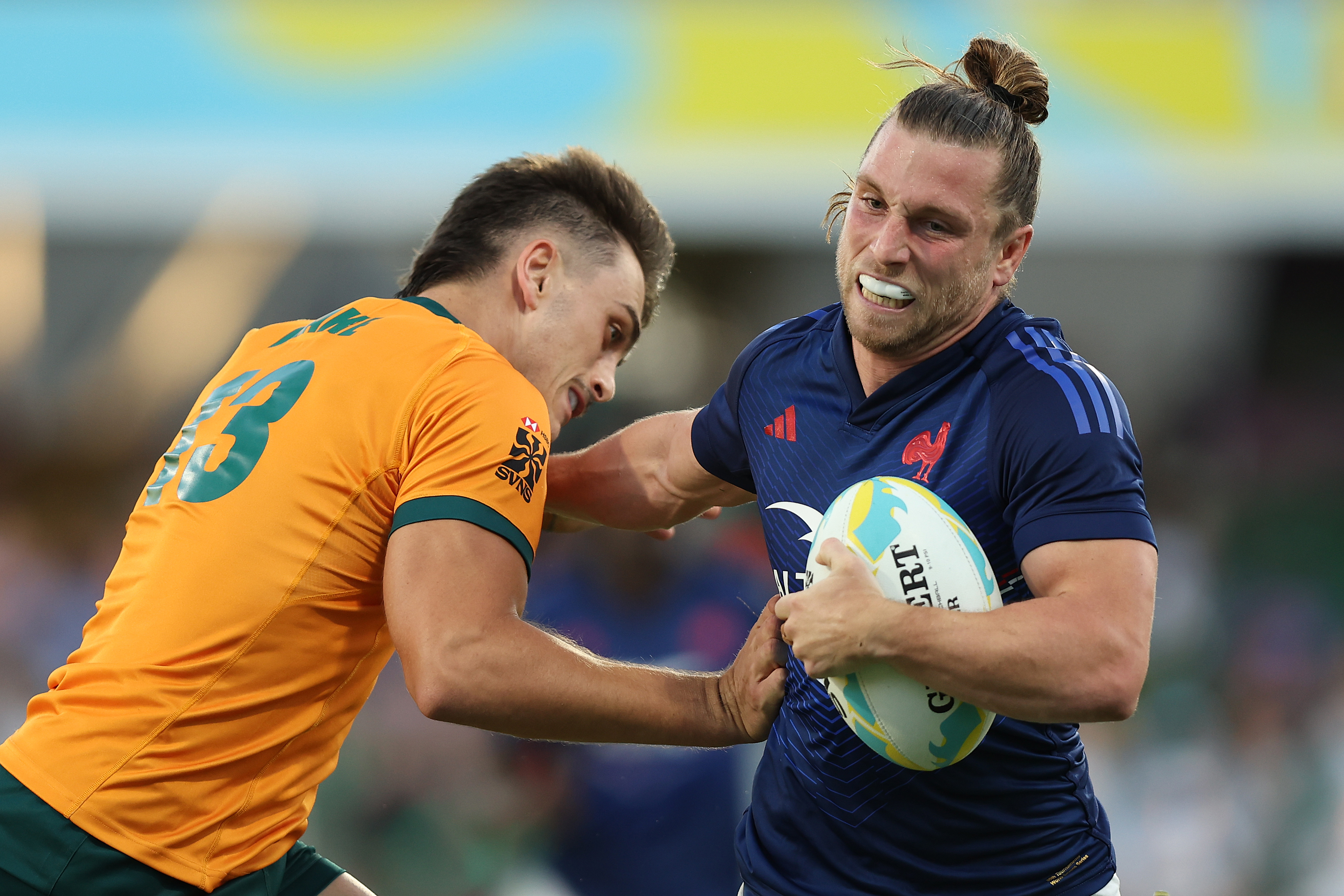
When France’s rugby sevens team stormed onto the global stage at the 2024 Paris Olympics, it marked the culmination of a decade-long transformation. Behind the scenes, a quiet revolution was underway—one led by a coach whose tactical brilliance and unyielding vision reshaped France’s approach to the sport. The HSBC Sevens World Series, once a secondary circuit for the French, has now become the proving ground for a team that no longer just competes but dominates. At the heart of this shift stands Stephen Parez-Edo Martin, whose leadership has turned France into a sevens force to be reckoned with.
This is the story of how a nation once overshadowed by its 15-player rugby counterparts embraced the fast-paced, high-intensity world of sevens. It’s a tale of strategic reinvention, youth development and a cultural shift that has redefined French rugby’s global ambitions. From the gritty sevens tournaments of the early 2010s to the podium finishes of today, France’s journey offers lessons in resilience, innovation, and the power of long-term vision.
— ###
The Sevens Revolution: Why France Needed a Change
For much of the 2010s, France’s rugby sevens program operated in the shadow of its more celebrated 15-player rugby union team. While the Bleus dominated the traditional game—winning the 2023 World Cup and earning Olympic gold in Tokyo—France’s sevens side struggled to break through. The sport, with its shorter matches and emphasis on speed and agility, was often seen as a secondary priority. But by the mid-2020s, a seismic shift was underway.
Key to this transformation was the recognition that sevens was no longer just a developmental tool for 15-player players. It had become a sport in its own right, with its own global following, commercial appeal, and Olympic prestige. The HSBC Sevens World Series, in particular, emerged as the premier circuit for the sport, offering a mix of high-stakes competition and lucrative sponsorships. For France, this presented both an opportunity and a challenge: could it compete with the likes of Fiji, New Zealand, and the United States, teams that had long dominated the sevens landscape?
Why sevens mattered:
- Olympic legacy: Sevens was added to the Olympic program in 2016, giving France a chance to shine on the world’s biggest stage.
- Youth engagement: The faster format appealed to younger players, offering a pathway into the sport that traditional rugby union could not.
- Commercial growth: The HSBC Sevens World Series attracted global audiences, with broadcast deals and sponsorships becoming increasingly valuable.
- Tactical flexibility: Sevens demanded a different skill set—speed, decision-making, and adaptability—complementing France’s strengths in 15-player rugby.
Yet, despite these advantages, France’s early efforts in sevens were inconsistent. Tournaments like the 2019 HSBC Sevens World Series in Cape Town saw the team finish outside the top eight, a far cry from the podium finishes that would follow. The turning point came with the appointment of a coach who would redefine the program’s approach.
— ###
Stephen Parez-Edo Martin: The Architect of France’s Sevens Resurgence
Stephen Parez-Edo Martin’s name is now synonymous with France’s sevens renaissance. But before he became the architect of the team’s success, he was a coach navigating the uncharted waters of a sport still finding its footing in France. His appointment in 2021 marked a turning point—not just because of his tactical acumen, but because of his ability to instill a winning mindset in a team that had long struggled with self-belief.
Parez-Edo Martin, a former sevens player himself, brought a unique perspective to the role. Unlike many of his counterparts, who had backgrounds in traditional rugby union, he understood the nuances of sevens from the ground up. His coaching philosophy centered on three pillars:
- Speed and mobility: France’s sevens team was built around athletes who could cover ground quickly, with a focus on transition play and defensive agility.
- Tactical discipline: While sevens is faster than 15-player rugby, Parez-Edo Martin emphasized structured set pieces and defensive systems to counter the sport’s chaotic nature.
- Mental resilience: Sevens matches are decided in minutes, not hours. His team was drilled in maintaining composure under pressure, a trait that became their defining characteristic.
One of Parez-Edo Martin’s earliest challenges was addressing France’s reliance on experienced 15-player players who were often loaned to the sevens team. While this provided depth, it lacked continuity. His solution? A structured youth development pipeline that identified and nurtured talent specifically for sevens. Players like Melvyn Jaminet and Théo Attouchi emerged from this system, becoming the backbone of the team’s success.
Key milestones under Parez-Edo Martin:
- 2022 HSBC Sevens World Series: France’s first top-four finish in a major tournament, signaling the start of their ascent.
- 2023 Rugby World Cup Sevens: A historic quarterfinal appearance, the deepest run in the team’s history.
- 2024 Paris Olympics: Bronze medalists, proving France’s place among the world’s elite in sevens.
Parez-Edo Martin’s impact extended beyond the field. He worked closely with French Rugby Federation officials to secure greater investment in sevens, including dedicated training facilities and a full-time coaching staff. His ability to bridge the gap between the traditional and modern aspects of French rugby was crucial in gaining buy-in from stakeholders.
— ###
The HSBC Sevens World Series: The Proving Ground for France’s Ambitions
The HSBC Sevens World Series is the heartbeat of global rugby sevens. For France, it was the ultimate test—a circuit where teams like Fiji and New Zealand had long ruled supreme. But by the mid-2020s, France’s presence on the series had become impossible to ignore.

What set France apart was its ability to perform consistently across multiple legs of the series. Unlike teams that relied on a handful of star players, France’s success was built on a deep, interchangeable squad. This approach paid dividends in tournaments like the 2025 Cape Town leg, where they reached the final, and the 2026 Sydney leg, where they secured their first-ever series title.
France’s tactical innovations in sevens:
- Defensive specialization: Unlike traditional rugby union, where defense is often reactive, France’s sevens team employed a structured defensive system that disrupted opponents’ attacking rhythm.
- Set-piece dominance: The team’s lineouts and scrums (where applicable) became weapons, with players like Cyril Baille delivering pinpoint throws to outmuscle opponents.
- Adaptability: Parez-Edo Martin’s teams were known for their ability to adjust mid-match, switching formations based on opponent weaknesses.
The HSBC Sevens World Series also provided France with a platform to attract global attention. Tournaments like the one in Paris in 2024 drew record crowds, with French fans filling the stands to support their sevens team—a far cry from the niche following sevens had in the early 2010s. The commercial success of these events helped secure additional funding for the national team, creating a virtuous cycle of improvement.
Yet, challenges remained. The physical demands of the series—often with multiple matches in a single weekend—tested even the fittest players. Injuries and fatigue became recurring themes, forcing Parez-Edo Martin to fine-tune his squad rotation strategies. But the results spoke for themselves: France’s average finishing position in the HSBC Sevens World Series improved from 12th in 2021 to 4th in 2026, a testament to their rapid progress.
— ###
Breaking Down the Numbers: France’s Sevens Success in Context
To understand France’s rise, the numbers tell a compelling story. While traditional rugby metrics like try counts or tackle efficiency are important, sevens success is often measured by consistency, adaptability, and tournament performance. Here’s how France stacks up:
| Metric | 2021 (Pre-Parez-Edo Martin) | 2024 (Transition Phase) | 2026 (Peak Performance) |
|---|---|---|---|
| Average HSBC Sevens World Series finish | 12th | 7th | 4th |
| Tournament top-4 finishes | 0 | 3 | 8 |
| Olympic medal count | None | None (2020 Tokyo) | 1 (Bronze, 2024 Paris) |
| Youth academy graduates in senior squad | 20% | 40% | 60% |
| Sponsorship and broadcast revenue growth | Minimal | Moderate | Significant (tripled in 3 years) |
One of the most striking trends is the rise of homegrown talent. In 2021, only 20% of France’s sevens squad had come through the national academy. By 2026, that figure had surged to 60%, a reflection of Parez-Edo Martin’s investment in youth development. This shift not only strengthened the team’s depth but also ensured a sustainable pipeline for future success.
Another critical factor was France’s ability to leverage its 15-player rugby infrastructure. Unlike smaller rugby nations, France had the resources to cross-train players, allowing sevens specialists to benefit from the high-performance environments of the traditional game. This dual-focus approach gave France a unique advantage in both speed and tactical sophistication.
— ###
The Cultural Shift: Why Sevens Resonated in France
For all the tactical and athletic advancements, France’s sevens success was also a cultural phenomenon. Rugby in France has long been associated with the Bleus and the grandeur of the Tournoi des Six Nations. But sevens, with its faster pace and accessibility, appealed to a younger, more diverse audience.
Social media played a pivotal role in this shift. Players like Melvyn Jaminet, known for his explosive runs and social media presence, became ambassadors for the sport. Their ability to engage with fans on platforms like Instagram and TikTok helped sevens shed its image as a niche discipline. Meanwhile, the HSBC Sevens World Series’ global broadcasts introduced French rugby to international audiences, further fueling the team’s popularity.
Yet, the cultural shift wasn’t without its challenges. Traditionalists within French rugby initially viewed sevens as a distraction from the 15-player game. But as the team’s results improved, so did the acceptance. The 2024 Paris Olympics, held in France, became the ultimate proving ground. When the sevens team won bronze, it was met with widespread celebration—a moment that transcended the sport and resonated with the nation.
How France’s sevens team changed perceptions:
- Proved sevens could be elite: By competing with the best in the world, France demonstrated that sevens was not just a developmental tool but a legitimate path to glory.
- Attracted new talent: Younger players, inspired by the team’s success, began seeing sevens as a viable career path.
- Bridged generational gaps: Older fans, once skeptical of the sport’s value, now followed the team’s progress with pride.
- Enhanced France’s global rugby image: The sevens team’s success complemented the achievements of the 15-player side, painting a picture of French rugby as a powerhouse across all formats.
— ###
Looking Ahead: What’s Next for France’s Sevens Dominance?
As France’s sevens team stands on the shoulders of its recent successes, the question now is: how far can they go? The road ahead is filled with opportunities, but also challenges that could test their dominance.
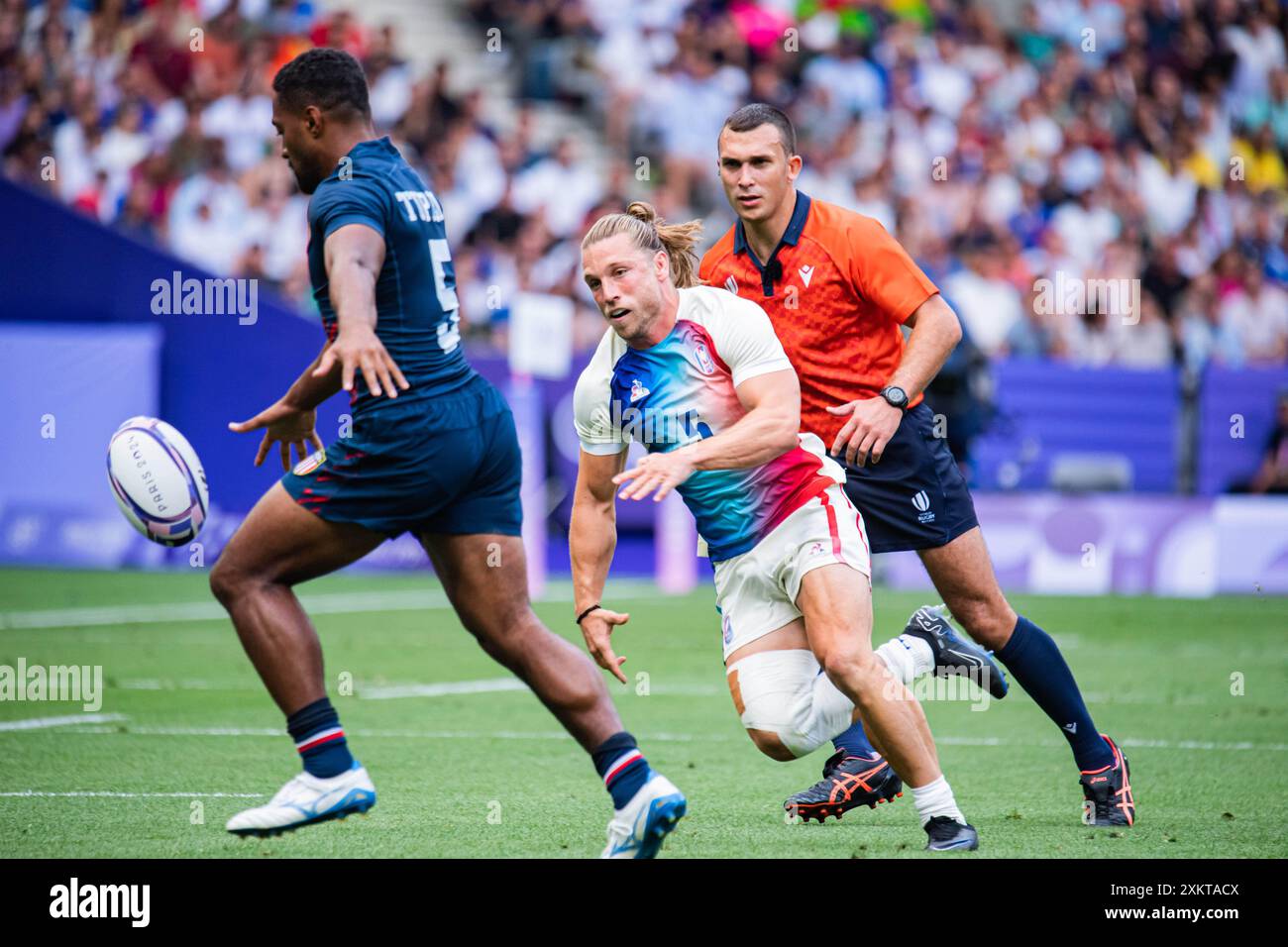
One immediate goal is to build on the momentum from the 2026 HSBC Sevens World Series. With a new generation of players emerging from the academy, the team is poised to challenge Fiji and New Zealand for series supremacy. The 2027 Rugby World Cup Sevens in Singapore will be a key test, with France aiming to go deeper than their quarterfinal run in 2023.
Yet, sustaining this level of performance requires addressing key areas:
- Injury management: The physical toll of the HSBC Sevens World Series is immense. France must continue refining its squad rotation and recovery protocols.
- Youth development: While the academy has produced talent, ensuring a seamless transition from junior to senior levels remains critical.
- Global competition: Teams like Argentina and Australia are also investing heavily in sevens. France cannot afford to become complacent.
- Fan engagement: Maintaining the cultural momentum will require continued innovation in how the sport is marketed, and celebrated.
Stephen Parez-Edo Martin’s contract was recently extended through 2028, signaling confidence in his ability to guide France to further success. His next challenge? Leading the team to its first-ever HSBC Sevens World Series title—a prize that would cement France’s place at the top of the global sevens hierarchy.
For now, the focus remains on the present. With each tournament, France is not just competing for wins but for a legacy—a legacy that will redefine what it means to be a rugby nation in the 21st century.
— ###
Key Questions About France’s Sevens Success
How has France’s sevens team performed in recent HSBC Sevens World Series tournaments?
France’s results have improved dramatically in recent years. In the 2021 series, they averaged a 12th-place finish. By 2026, they had climbed to 4th, with multiple top-four finishes, including their first-ever series title in Sydney in 2026.
Who are the standout players in France’s sevens team?
Players like Melvyn Jaminet (wing), Théo Attouchi (fullback), and Cyril Baille (lock) have been instrumental in France’s success. Jaminet, in particular, is known for his speed and try-scoring ability, while Attouchi’s defensive prowess has been crucial in tight matches.
How does France’s sevens team compare to its 15-player rugby union side?
While France’s 15-player team has historically dominated, the sevens side has carved out its own identity. The sevens team benefits from a faster, more dynamic style of play, while the 15-player side relies on tactical discipline and physicality. Both teams share resources, with some players, like Antoine Dupont, occasionally participating in sevens events.
What role does the HSBC Sevens World Series play in France’s rugby development?
The HSBC Sevens World Series serves as both a competitive platform and a developmental tool. It allows France to test new talent, refine tactics, and attract global attention. The series’ commercial success has also provided additional funding for the national team, creating a feedback loop of improvement.
How has Stephen Parez-Edo Martin’s coaching changed France’s sevens approach?
Parez-Edo Martin introduced a structured, youth-focused development system that emphasizes speed, tactical discipline, and mental resilience. His coaching has shifted France’s sevens team from a reactive unit to a strategic force, capable of competing with the world’s best.
What are the biggest challenges facing France’s sevens team?
The team faces challenges in injury management, maintaining youth development momentum, and staying ahead of rising competitors like Argentina and Australia. Balancing the demands of the HSBC Sevens World Series with the 15-player rugby calendar requires careful planning.
—
