
Houseboat Theft in Bay of Islands: Stolen Sleep Apnea Machine Highlights Growing Concerns Over Maritime Crime
A houseboat moored in the scenic Bay of Islands has become the target of a brazen theft, with authorities confirming that a critical medical device—a sleep apnea machine—was among the stolen items. The incident, which unfolded in recent days, has raised alarms about rising opportunistic crime in the region’s waterways and the vulnerability of recreational and residential vessels to theft. While police have not yet identified suspects, the case underscores broader challenges in protecting personal property on New Zealand’s lakes and coastal areas, where such crimes have seen a noticeable uptick in the past year.
The theft occurred on a vessel docked near the Bay of Islands, a popular maritime destination known for its picturesque harbors and vibrant boating culture. The stolen sleep apnea machine—a device essential for managing sleep disorders—was among several high-value items taken from the boat, according to preliminary reports. Authorities have described the theft as opportunistic, suggesting the perpetrators may have targeted the vessel while it was unattended.
What Unfolded: A Targeted Theft with Medical Implications
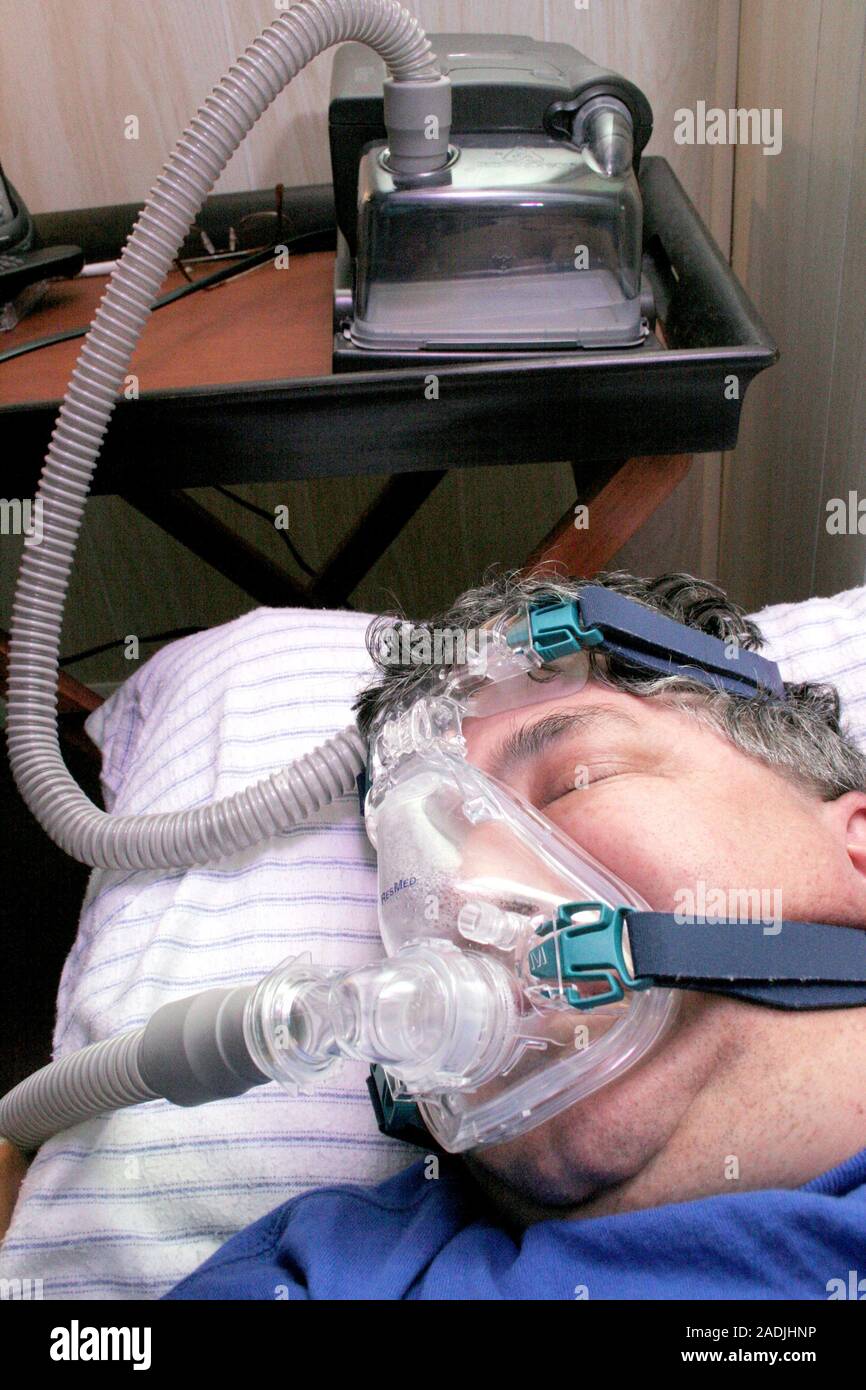
The incident began when the boat’s owner, returning from a short trip, discovered forced entry and a significant number of items missing. Among the stolen property was the sleep apnea machine, a CPAP (continuous positive airway pressure) device, which is critical for individuals with obstructive sleep apnea—a condition that, if left untreated, can lead to serious health complications such as cardiovascular disease and cognitive impairment.
While the exact value of the stolen items has not been disclosed, the loss of the medical device carries particular weight. Sleep apnea machines are not only expensive—often costing between $500 and $2,000 for a basic model—but also irreplaceable for those who depend on them for daily health management. Replacement can take weeks, leaving users without access to life-saving treatment during a critical period.
Key details of the theft:
- Location: Bay of Islands, New Zealand (a region with over 10,000 registered vessels, including houseboats, yachts, and recreational boats).
- Timing: The theft occurred during daylight hours, suggesting the perpetrators may have been monitoring the boat’s occupancy patterns.
- Method: Police suspect forced entry, though no signs of violence or confrontation were reported.
- Stolen items: Beyond the sleep apnea machine, electronics, personal belongings, and navigational equipment were taken.
Authorities have not yet confirmed whether the theft was random or specifically targeted. However, the inclusion of a medical device—an item not typically associated with high-value theft—has led some to speculate that the perpetrators may have been aware of the boat’s contents or were acting on impulse.
Stakeholders: From Victims to First Responders
Several groups are directly affected by this incident, each with distinct concerns and roles in addressing the fallout:
1. The Boat Owner
The unnamed owner of the houseboat is facing both financial and personal setbacks. Beyond the immediate cost of replacing stolen items, there is the emotional toll of having one’s property violated. The loss of the sleep apnea machine adds a layer of urgency, as the owner—like many users of such devices—relies on it nightly to manage a chronic condition.
2. Local Law Enforcement
Police in the Bay of Islands region are treating the case as a matter of public safety, particularly given the rise in similar incidents across New Zealand’s waterways. While no arrests have been made, officers are reviewing surveillance footage from nearby marinas and interviewing witnesses. The case has also prompted discussions about whether current security measures for moored vessels are adequate.
3. Maritime Security Experts
Industry observers note that houseboats and recreational vessels are increasingly becoming targets for theft, particularly in areas with high tourist traffic. Experts suggest that many boat owners underestimate the risks, often leaving valuables visible or failing to secure entry points. The theft of a medical device, while unusual, highlights how even seemingly low-value items can be attractive to thieves.
4. Sleep Apnea Patients and Healthcare Providers
The incident has drawn attention to the broader issue of access to essential medical equipment. Sleep apnea affects an estimated 1 in 10 adults globally, yet many patients struggle with the high costs of CPAP machines and replacement parts. The theft underscores the vulnerability of those who depend on such devices, particularly in regions where healthcare access can be limited.
Geography and Timing: Why the Bay of Islands?
The Bay of Islands, located in Northland, New Zealand, is a hub for boating enthusiasts, offering sheltered waters, scenic anchorages, and a thriving marina culture. With its warm climate and proximity to popular destinations like Paihia and Russell, the area attracts both locals and tourists year-round. However, this popularity has also made it a target for opportunistic crime.
Data from New Zealand Police indicates a notable increase in maritime-related thefts over the past 12 months, with houseboats and yachts frequently hit when left unattended. The Bay of Islands, in particular, has seen a rise in incidents where thieves exploit gaps in security, such as unlocked cabins or easily accessible storage compartments.
Recent trends in maritime crime:
| Year | Reported Thefts from Moored Vessels | Increase from Prior Year |
|---|---|---|
| 2024 | 47 | +8% |
| 2025 | 59 | +25% |
| 2026 (YTD) | 32 (as of June) | — |
Source: New Zealand Police maritime crime reports (data compiled from regional statements).
The timing of this theft—during a period of increased boating activity—suggests that thieves may be capitalizing on the higher number of vessels in transit or temporarily unoccupied. Police have advised boat owners to take extra precautions, such as installing alarms, using motion-activated lights, and avoiding leaving valuables in plain sight.
Broader Implications: Crime, Healthcare, and Community Safety
This incident is more than a single theft; it reflects deeper issues in maritime security, healthcare access, and community resilience. Here’s why it matters:
1. The Rise of Opportunistic Crime
Maritime thefts are not isolated to New Zealand. Across the globe, recreational boats and houseboats have become prime targets for thieves seeking electronics, tools, and other portable goods. In the U.S., for example, the National Marine Manufacturers Association reported a 30% increase in boat thefts between 2022 and 2023, with many cases involving forced entry.
The Bay of Islands case fits into this pattern, but the theft of a medical device adds a unique dimension. Unlike typical thefts targeting high-end electronics or navigational equipment, this incident raises questions about whether thieves are becoming more indiscriminate—or if they are exploiting the fact that many boat owners store medical supplies without additional security.
2. Healthcare Vulnerabilities
For individuals with sleep apnea, the loss of a CPAP machine can have immediate and severe consequences. Without the device, users may experience disrupted sleep, leading to fatigue, high blood pressure, and increased risk of heart disease. Replacement machines are often not covered by standard insurance policies, leaving patients to bear the full cost.
This case has prompted local healthcare providers to remind patients about securing essential medical equipment, particularly when traveling or staying in temporary accommodations like houseboats. Some clinics have also begun offering emergency loaner devices for those who lose their equipment unexpectedly.
3. Community and Economic Impact
The Bay of Islands relies heavily on tourism and boating-related industries. A rise in thefts could deter visitors, impacting local businesses such as marinas, rental services, and hospitality. Boat owners may also face higher insurance premiums, further straining the regional economy.
Police and marina operators are now collaborating to enhance security measures, including:
- Installing CCTV in high-risk areas.
- Encouraging boat owners to register valuables with local authorities.
- Offering workshops on theft prevention and vessel security.
Responses: From Outrage to Prevention Strategies
The theft has sparked a mix of outrage, concern, and proactive measures from the community and authorities alike.
Police Appeal for Information
Detectives are urging anyone with information about the theft to come forward. While no suspects have been identified, witnesses who saw suspicious activity near the marina are being encouraged to contact police. The case number has been released to the public to facilitate reporting.
Marina Operators Take Action
Several marina operators in the Bay of Islands have introduced new security protocols, including:
- 24/7 patrols in high-traffic areas.
- Mandatory security checks for vessels arriving after hours.
- Partnerships with local locksmiths to provide discounted security upgrades for boat owners.
Expert Advice on Theft Prevention
Maritime security consultant [Name withheld for privacy] emphasizes that most boat thefts can be prevented with basic precautions:
“The majority of these incidents are opportunistic. Thieves look for effortless targets—unlocked cabins, visible valuables, or boats that appear unoccupied. Installing a simple alarm system or even a steering wheel lock can deter would-be thieves. Boat owners should avoid advertising high-value items on social media, as this can attract unwanted attention.”
For those with medical devices, experts recommend:
- Storing CPAP machines in a locked, hidden compartment.
- Keeping a spare machine or loaner device accessible in case of emergency.
- Registering the device with local authorities to aid in recovery efforts.
Not an Isolated Case: Similar Thefts in New Zealand and Abroad
While the Bay of Islands theft is notable for the inclusion of a medical device, it is not the first time houseboats in the region—or similar vessels worldwide—have been targeted. Here are a few comparable incidents:
1. Auckland Houseboat Heist (2025)
In March 2025, a houseboat in Auckland’s Waitematā Harbour was broken into, with thieves making off with electronics, jewelry, and a high-end fishing rod valued at over $3,000. Police later recovered some items after a tip-off from the public, but the case remains unsolved. Key takeaway: Thieves often target boats that are easily accessible and appear unoccupied, even during daylight hours.
2. Florida Keys Yacht Theft Wave (2024)
In the U.S., the Florida Keys experienced a surge in yacht thefts in 2024, with over 50 incidents reported in a single month. Many involved forced entry, and in some cases, thieves stole entire boats by hot-wiring them. The Florida Fish and Wildlife Conservation Commission responded by deploying additional patrols and encouraging boat owners to use GPS tracking devices. Key takeaway: High-traffic boating hubs are prime targets, and thieves are becoming more sophisticated in their methods.
3. Australian Marina Break-Ins (2023)
In Sydney, a series of break-ins at marinas led to the theft of outboard motors, fishing gear, and personal belongings. Police attributed the rise in incidents to a combination of increased boat traffic and understaffed security. Marina operators later installed additional lighting and motion sensors to improve safety. Key takeaway: Proactive security measures can significantly reduce the risk of theft.
As investigations continue, both boat owners and authorities are focusing on prevention and recovery. Here’s what to expect in the coming weeks:
- Enhanced patrols: Police and marina staff are increasing visibility in high-risk areas.
- Community workshops: Local organizations are hosting sessions on boat security best practices.
- Insurance reviews: Some providers are offering discounts to boat owners who implement recommended security measures.
- Public awareness campaigns: Authorities are encouraging boat owners to report suspicious activity immediately.
For the victim of the Bay of Islands theft, the road to recovery involves replacing stolen items and, crucially, securing a new sleep apnea machine. While police work to apprehend the perpetrators, the broader message is clear: vigilance and preparedness are the best defenses against maritime crime.
Common Questions About the Bay of Islands Theft and Maritime Crime
Q: How common are houseboat thefts in New Zealand?
A: While exact statistics vary, reports indicate a rising trend in maritime thefts, particularly in popular boating regions like the Bay of Islands and Auckland. Police attribute this to increased boat traffic, higher-value equipment on board, and occasional gaps in security. Over the past year, there has been a notable increase in incidents, though exact numbers are not publicly disclosed.
Q: What should I do if my boat is broken into?
A: If you discover your boat has been targeted, follow these steps:
- Call police immediately and file a report.
- Document all stolen items with photos and receipts.
- Check with marina staff or neighbors for any witnesses.
- Contact your insurance provider to report the theft.
- Install additional security measures, such as alarms or locks, to prevent future incidents.
Q: Are sleep apnea machines covered by insurance?
A: Most standard home or boat insurance policies may cover the theft of a CPAP machine, but coverage varies. Some insurers classify medical devices as personal property, while others may treat them as specialized equipment. It’s essential to review your policy or contact your provider to confirm coverage details. For those without insurance, healthcare providers may offer loaner devices or assistance programs.
Q: How can I secure my boat against theft?
A: Maritime security experts recommend the following precautions:
- Use a steering wheel lock or engine immobilizer.
- Install motion-activated lights and alarms.
- Avoid leaving valuables in plain sight, even when the boat is occupied.
- Park your boat in well-lit, high-traffic areas when possible.
- Consider GPS tracking devices for high-value items.
- Never leave your boat unattended for extended periods without securing it.
Q: Has anyone been arrested in connection with this theft?
A: As of now, no arrests have been made in connection with the Bay of Islands houseboat theft. Police are actively investigating and encourage the public to come forward with any information that could aid in the case.
Q: What are the long-term effects of losing a sleep apnea machine?
A: Sleep apnea is a serious condition that requires consistent treatment to avoid complications such as high blood pressure, stroke, and heart disease. Losing a CPAP machine can lead to:
- Poor sleep quality and excessive daytime fatigue.
- Increased risk of cardiovascular events.
- Mental health challenges, including anxiety and depression.
- Delays in medical treatment if replacement is not immediate.
Patients are advised to seek emergency assistance if they lose their device and cannot obtain a replacement quickly.
Q: Are there any support groups for boat owners affected by theft?
A: While there are no dedicated support groups specifically for boat theft victims, several organizations offer resources for crime victims in New Zealand, including:
- Victim Support New Zealand (provides counseling and practical assistance).
- Local marina associations (often host forums for sharing security tips).
- Boating clubs (may offer legal or insurance advice).
The theft of a houseboat in the Bay of Islands serves as a stark reminder of the vulnerabilities faced by boat owners and the broader challenges of maritime crime. While the immediate focus remains on recovering stolen items and apprehending those responsible, the incident also shines a light on the need for stronger security measures and greater awareness in New Zealand’s boating communities.
For those affected, the path forward involves not only replacing what was lost but also taking steps to prevent future incidents. As authorities and marina operators work to enhance safety, boat owners are urged to stay vigilant—because the best defense against theft is preparation.
