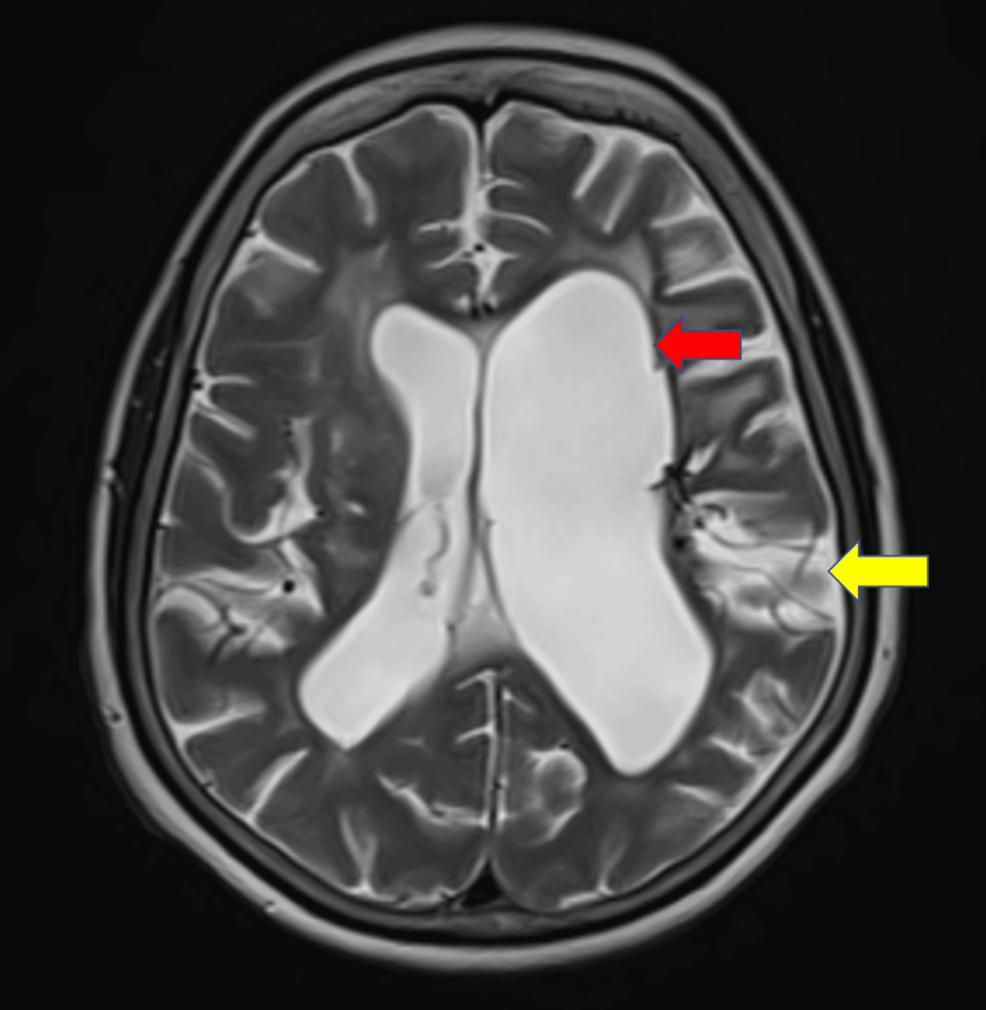
When Stroke Leads to Hydrocephalus: A Case of Unilateral Ventricular Enlargement – Cureus
In the medical field, the intersection of stroke and neurological complications often reveals complex challenges. A recent case study has brought attention to a rare but critical condition: hydrocephalus arising from a stroke, specifically characterized by unilateral ventricular enlargement. This article explores the medical, clinical and therapeutic dimensions of this condition, highlighting the role of neurosurgeons in managing such cases and the broader implications for patient care.
Understanding the Conditions: Stroke and Hydrocephalus
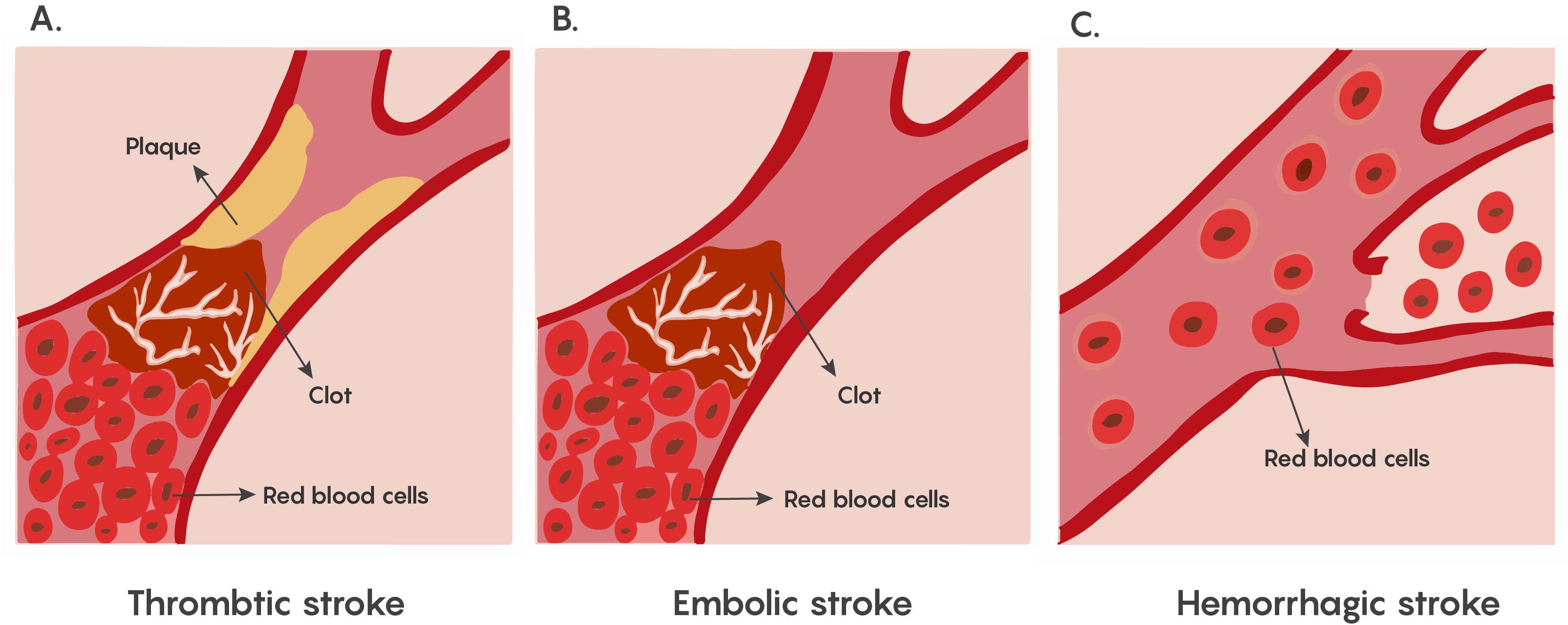
A stroke occurs when blood flow to the brain is interrupted, either by a blockage or a rupture of a blood vessel. This disruption can lead to brain cell damage, resulting in various neurological deficits. While the immediate effects of a stroke are often the focus of medical attention, the long-term complications can be equally severe. One such complication is hydrocephalus, a condition marked by the abnormal accumulation of cerebrospinal fluid (CSF) in the brain’s ventricles.
Hydrocephalus can manifest in different forms, but the case under discussion is notable for its unilateral ventricular enlargement. This refers to the swelling of one side of the brain’s ventricular system, which can exert pressure on surrounding brain structures. The connection between stroke and hydrocephalus is not always straightforward, but it underscores the intricate nature of neurological disorders.
How a Stroke Can Lead to Hydrocephalus
The mechanisms linking stroke to hydrocephalus are multifaceted. In some instances, a stroke may damage the brain’s ventricular system or the pathways that regulate CSF flow. This can disrupt the normal circulation and absorption of CSF, leading to its accumulation. Post-stroke inflammation or scarring can obstruct the CSF pathways, exacerbating the condition.
Unilateral ventricular enlargement, in particular, may occur when the stroke affects one hemisphere of the brain, causing localized changes in CSF dynamics. This can result in asymmetrical pressure within the ventricles, potentially leading to progressive neurological decline if left untreated.
The Role of Neurosurgeons in Diagnosing and Treating Hydrocephalus
Neurosurgeons play a pivotal role in diagnosing and managing hydrocephalus, especially in complex cases like unilateral ventricular enlargement. These specialists are trained to address disorders of the nervous system, combining surgical and non-surgical approaches to optimize patient outcomes.
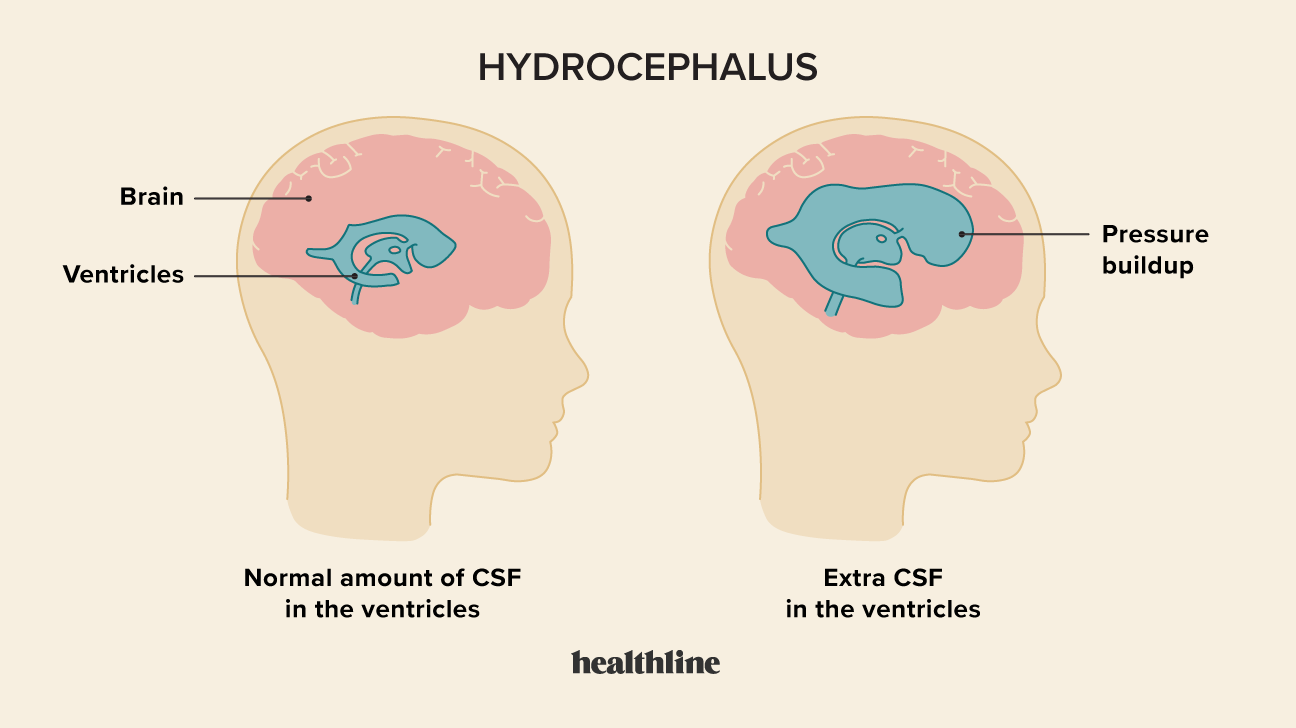
Diagnosis often involves advanced imaging techniques such as MRI or CT scans, which can reveal the extent of ventricular enlargement and identify any obstructions in CSF flow. Once diagnosed, neurosurgeons may recommend interventions ranging from shunt placement to endoscopic procedures, depending on the severity and underlying cause of the condition.
neurosurgeons work closely with other medical professionals, including neurologists and radiologists, to develop comprehensive treatment plans. This collaborative approach ensures that patients receive care tailored to their specific needs.
Case Study Insights: A Unique Clinical Scenario
While the specific details of the case study referenced in the title are not publicly available, the broader context of stroke-related hydrocephalus provides valuable insights. In such cases, early detection and intervention are critical. Patients may present with symptoms such as headaches, nausea, and cognitive changes, which can be indicative of increased intracranial pressure.
The management of unilateral ventricular enlargement often requires a multidisciplinary approach. For example, a neurosurgeon might collaborate with a rehabilitation specialist to address post-stroke deficits alongside the hydrocephalus. This holistic perspective is essential for improving long-term outcomes and quality of life.
Implications for Patient Care and Medical Research
The occurrence of hydrocephalus following a stroke highlights the need for ongoing research and innovation in neurosurgical techniques. As medical technology advances, new approaches to diagnosing and treating complex neurological conditions are continually emerging.
this case underscores the importance of patient education. Individuals who have experienced a stroke should be aware of potential complications and the signs that may indicate hydrocephalus. Early recognition of these symptoms can lead to timely medical intervention, potentially preventing severe neurological damage
