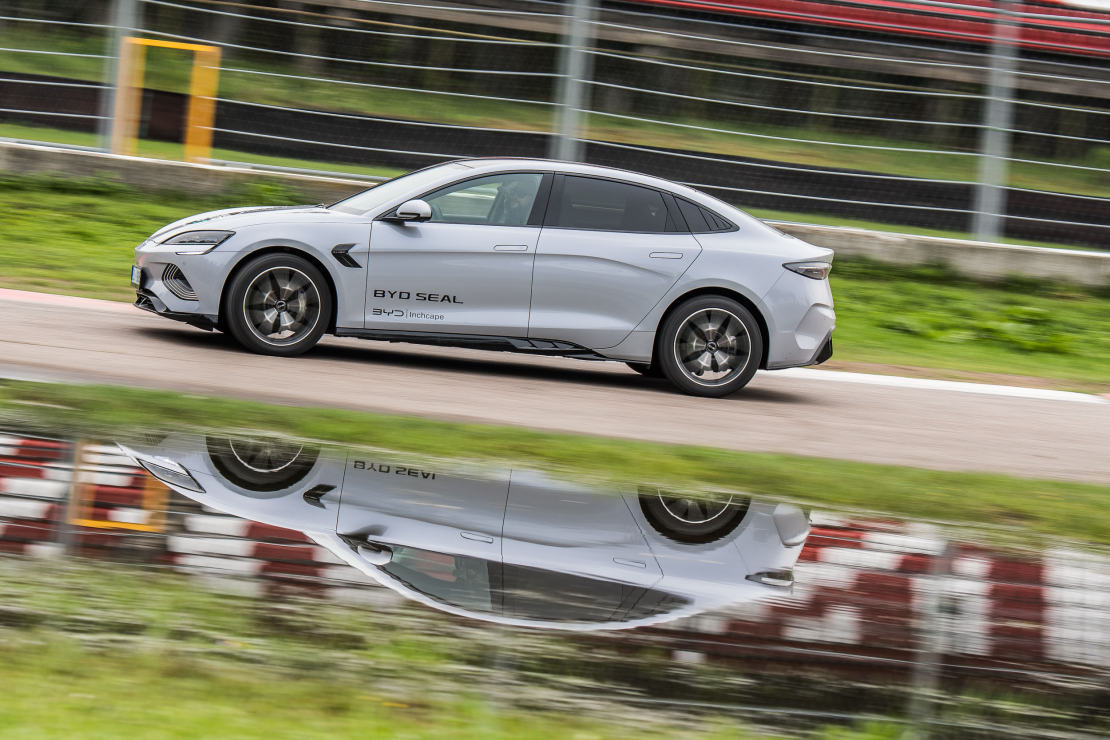
The Latvian electric vehicle (EV) market is undergoing a significant transformation as Chinese automakers increasingly dominate the sector, according to recent industry reports. This shift reflects broader trends in global automotive manufacturing, where Chinese companies are leveraging cost-effective production, advanced battery technologies, and strategic partnerships to expand their international presence.
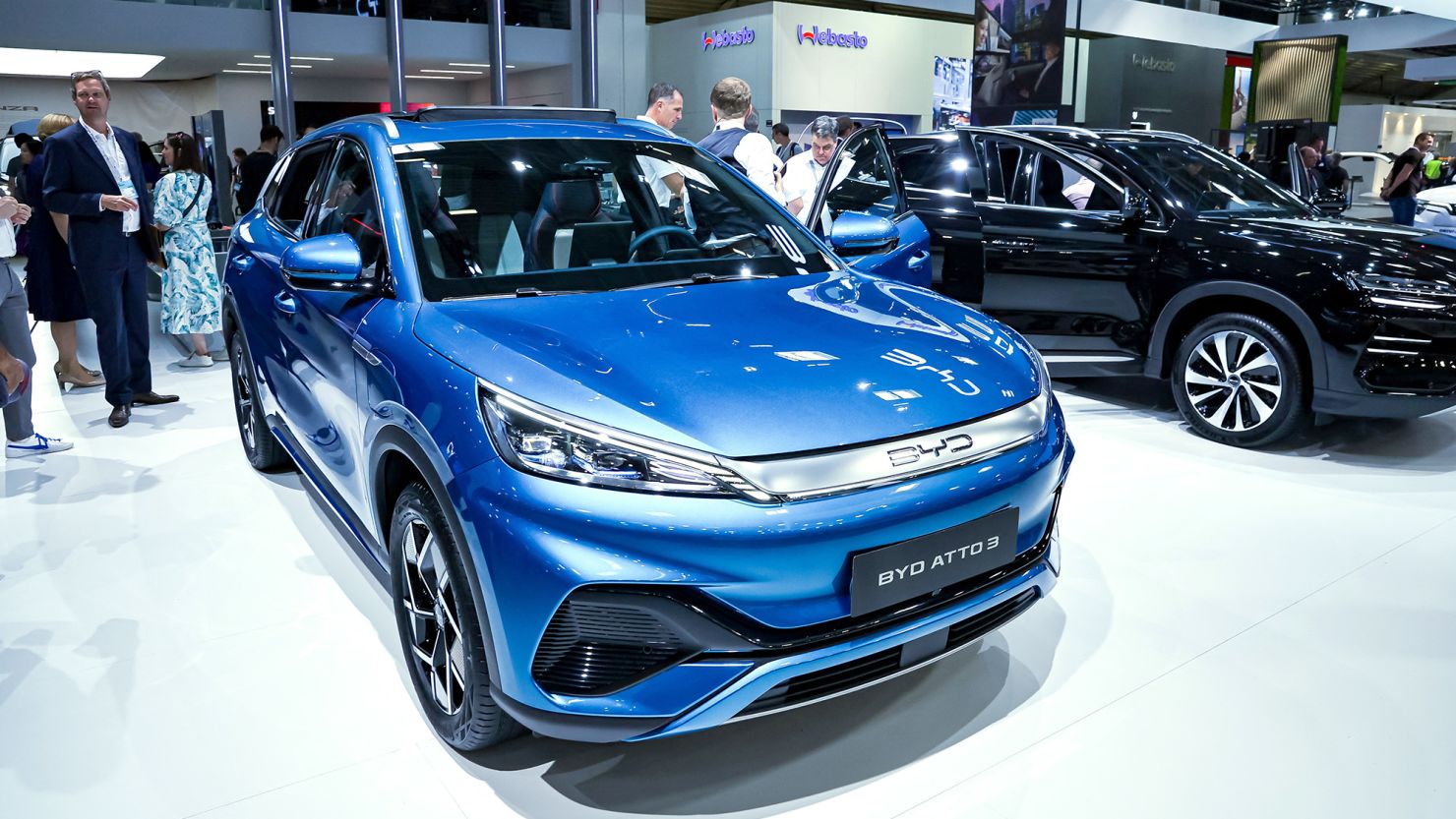
Chinese car manufacturers have traditionally focused on domestic and Asian markets, but their growing investment in European markets signals a strategic pivot. In Latvia, this has manifested in a surge of Chinese-branded EVs entering the retail space, supported by government incentives and a push toward sustainable transportation. Local dealerships now stock models from brands such as BYD, NIO, and Geely, which are competing with established European and American EV producers.
How Chinese EVs Are Reshaping the Market
Chinese automakers are capitalizing on economies of scale and innovations in lithium-ion battery technology to offer competitive pricing and performance. Many models feature cutting-edge electric drivetrains, long-range capabilities, and smart connectivity features. For example, BYD’s recent lineup includes vehicles with over 400 miles of range on a single charge, paired with rapid-charging infrastructure that aligns with European standards.
The expansion is also driven by partnerships with local firms. In Latvia, Chinese companies have collaborated with regional distributors to establish charging networks and after-sales service centers, addressing a critical barrier to EV adoption: infrastructure reliability. These efforts are complemented by subsidies for buyers, which have accelerated consumer uptake.
Implications for the Latvian Automotive Sector
The influx of Chinese EVs has prompted both opportunities and challenges for local stakeholders. While consumers benefit from lower prices and technological advancements, traditional automotive suppliers and dealers face pressure to innovate or risk obsolescence. Some domestic manufacturers are now exploring hybrid models or electric conversions to remain competitive.
Regulatory bodies in Latvia have responded by updating certification processes to accommodate the influx of foreign EVs. This includes stricter emissions testing and safety standards, ensuring that Chinese vehicles meet European Union requirements. However, concerns have arisen about the long-term sustainability of these measures and the potential for market saturation.
What’s Next for the Latvian EV Market?
Analysts predict that Chinese automakers will continue to strengthen their foothold in Latvia, particularly as global supply chains for EV components become more integrated. Future developments may include localized manufacturing hubs, which could further reduce costs and enhance production efficiency. Meanwhile, European policymakers are monitoring the trend closely, with some advocating for measures to support domestic EV industries.
As the market evolves, the interplay between Chinese innovation, local adaptation, and regulatory frameworks will shape the trajectory of electric mobility in Latvia. For now, the shift underscores the growing influence of Chinese automotive companies in redefining global transportation dynamics.
