
‘I cried a lot’: Manitoba’s Filipino community devastated by hard-hitting earthquake back home – CTV News
A powerful 7.8 magnitude earthquake has struck the Philippines, resulting in fatalities and widespread devastation. The disaster has triggered profound grief among the Filipino diaspora in Canada, particularly in Manitoba and Newfoundland, while prompting officials in the Philippines to cancel classes on the first day of the school year.
What happened during the 7.8 magnitude earthquake in the Philippines?
The Philippines was hit by a massive seismic event measuring 7.8 in magnitude. According to reports from People.com, the earthquake was deadly, leading to a significant loss of life. The timing of the disaster added to the chaos, as it occurred exactly when students were expected to return to the classroom. This forced officials to cancel classes on the first day of school, disrupting the academic calendar and leaving families to deal with the immediate aftermath of the shaking.
The scale of a 7.8 magnitude quake is substantial, often causing severe structural damage and altering the landscape. While the immediate focus has been on the death toll and casualties, the social disruption—exemplified by the closure of schools—highlights the systemic impact of the event on the Philippine population.
- Magnitude: 7.8
- Immediate Impact: Reported deaths and casualties
- Operational Disruption: Cancellation of first-day school classes
How has the Filipino community in Canada responded?
The tragedy has resonated deeply across Canada, where large Filipino communities maintain close ties to their homeland. In Manitoba, the emotional toll has been severe. As reported by CTV News in the piece “‘I cried a lot’: Manitoba’s Filipino community devastated by hard-hitting earthquake back home – CTV News,” residents have expressed overwhelming sadness and shock. The phrase “I cried a lot” underscores the personal nature of this disaster, as many in the province have family members and loved ones living in the affected regions.
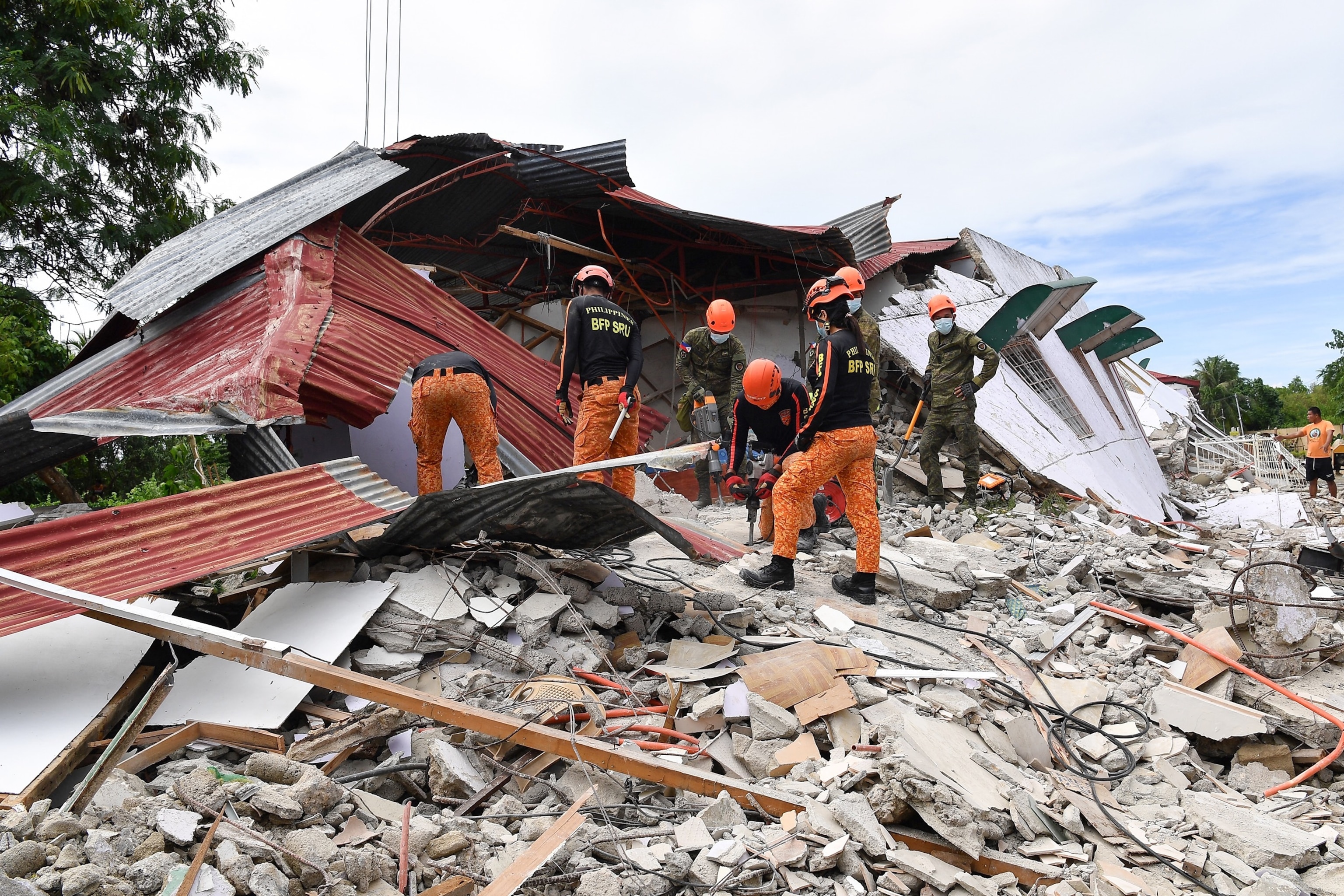
This devastation is not limited to the prairies. Yahoo News Canada reported that a student in Newfoundland (N.L.) is similarly heartbroken over the loss of lives. The geographic spread of this grief—from the East Coast in Newfoundland to the central provinces in Manitoba—illustrates how a localized disaster in the Philippines becomes a national tragedy for the Filipino-Canadian community.
“I cried a lot” — a sentiment reflecting the devastation felt by the Filipino community in Manitoba following the earthquake.
Was there a tsunami risk for the Canadian coast?
Given the magnitude of the earthquake and its location in the Pacific, there were immediate concerns regarding the potential for a tsunami. However, CityNews Vancouver confirmed that there were no tsunami alerts issued for British Columbia (B.C.).
Tsunami monitoring is a critical component of disaster response for coastal regions like B.C. when high-magnitude earthquakes occur in the Pacific. In this instance, the data indicated that the 7.8 magnitude event did not pose a threat to the western coast of Canada, providing a measure of relief amid the ongoing crisis in the Philippines.
Understanding the history of seismic activity in the Philippines
The current disaster is part of a broader, recurring pattern of seismic instability in the region. The Toronto Star has highlighted this by providing a list of deadly earthquakes that have historically struck the Philippines. This context suggests that while the 7.8 magnitude event is a current crisis, the Philippines has a long and tragic history of dealing with high-magnitude tremors.
The repeated occurrence of these events often leads to a cycle of destruction and rebuilding. For the diaspora in Canada, these events are not isolated incidents but reminders of the persistent vulnerability of their home country to natural disasters.
| Source | Key Detail Reported |
|---|---|
| People.com | 7.8 magnitude; deadly; first-day school classes cancelled |
| CTV News | Manitoba Filipino community devastated; reports of intense grief |
| CityNews Vancouver | No tsunami alerts issued for British Columbia |
| Yahoo News Canada | Newfoundland student heartbroken over loss of life |
| Toronto Star | Documentation of previous deadly earthquakes in the Philippines |
The intersection of education and disaster
The cancellation of classes on the first day of school is a particularly poignant detail in this story. The start of a school year is typically a time of anticipation and new beginnings. When that milestone is replaced by a deadly natural disaster, the psychological impact on students and educators is profound.
Beyond the physical danger of collapsing buildings, the cancellation of school represents a loss of stability. For many families, the school system is a primary source of community support. The disruption of this system on day one complicates the immediate relief efforts and the long-term recovery of the affected communities.
For more information on how international disasters affect local communities, you may find a related explainer on diaspora support networks useful.
Frequently Asked Questions
What was the magnitude of the earthquake in the Philippines?
The earthquake was recorded at a magnitude of 7.8, according to reports from People.com and CityNews Vancouver.
:max_bytes(150000):strip_icc():focal(943x690:945x692)/earthquake-Philippines-100125-02-e8865871d20344388556738345829c51.jpg "What was the magnitude of the earthquake in the Philippines?")
Were there any tsunami warnings for Canada?
No. CityNews Vancouver reported that there were no tsunami alerts for British Columbia following the event.
How did the earthquake affect schools in the Philippines?
Due to the deadly nature of the quake, officials cancelled classes on the first day of school, as reported by People.com.
Which Canadian provinces reported emotional distress among their Filipino communities?
Both Manitoba and Newfoundland reported significant heartbreak and devastation within their Filipino communities, as cited by CTV News and Yahoo News Canada.
Is this the first major earthquake to hit the Philippines?
No. According to the Toronto Star, there is a documented history of multiple deadly earthquakes in the Philippines.
