
High-protein diets have surged in popularity, driven by fitness trends and wellness marketing, but new research suggests that overconsumption may carry hidden risks—from weight gain to kidney strain. While protein is essential for muscle repair and overall health, experts warn that exceeding daily needs, especially from animal sources, could backfire for many adults.
According to health authorities and longevity researchers, the potential downsides of a protein-heavy diet are not always well understood by the public. A growing body of evidence indicates that for individuals between ages 18 and 65, consuming far more protein than required may do more harm than good, particularly when derived from meat, dairy, or processed sources.
Why the protein craze may be misguided
The push for high-protein diets often stems from misconceptions about muscle growth, weight loss, and longevity. Yet, studies and expert opinions highlight five key risks associated with excessive protein intake:
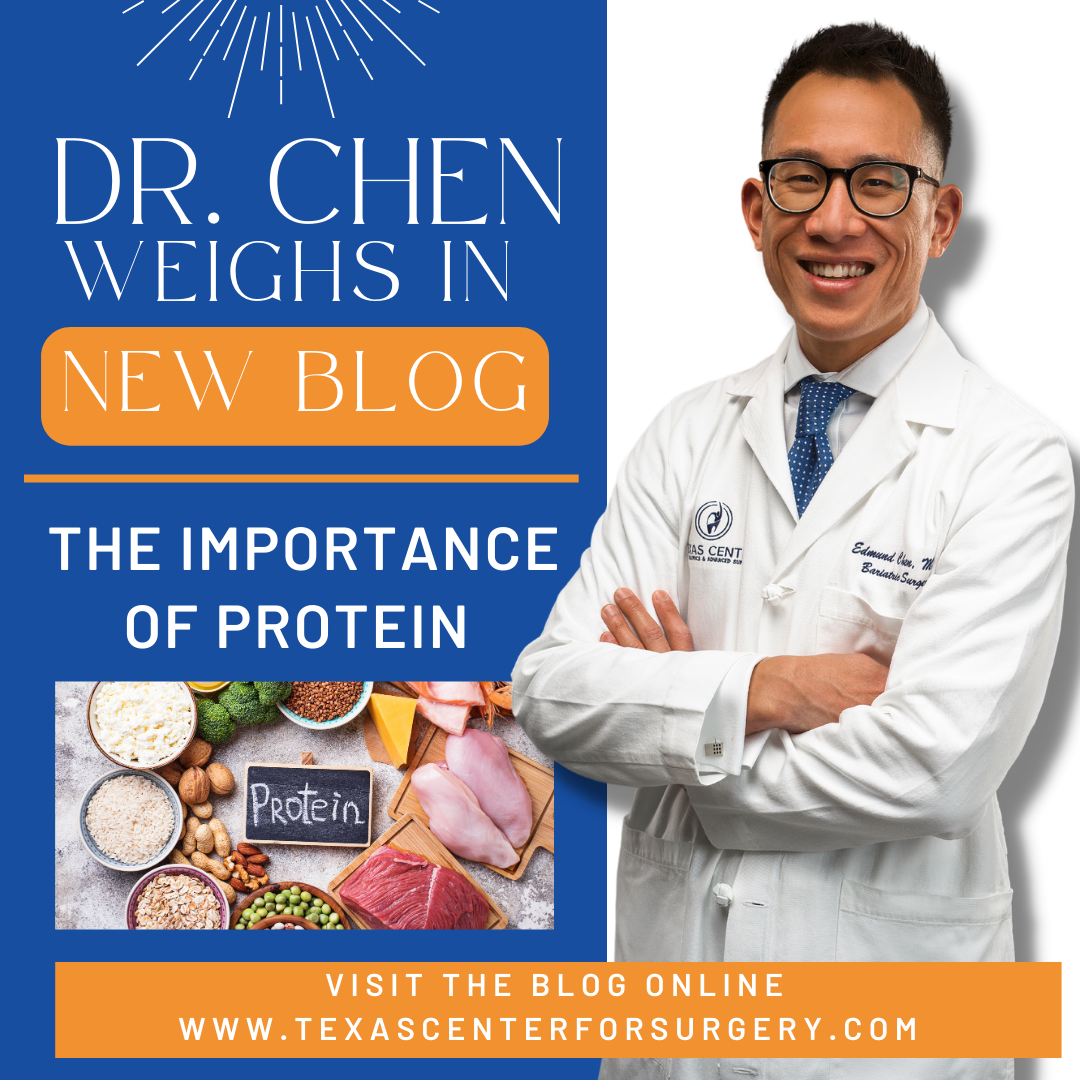
- Weight gain: Excess protein, particularly from animal sources, can lead to higher calorie intake and fat storage if not balanced with activity.
- Kidney strain: The body must filter out excess nitrogen byproducts from protein metabolism, potentially overburdening kidneys over time.
- Bone health concerns: High protein intake may leach calcium from bones, increasing fracture risk in some individuals.
- Insulin resistance: Diets very high in protein—especially from processed meats—have been linked to metabolic disruptions.
- Gut health disruption: Animal proteins may alter gut bacteria in ways that promote inflammation.
Melanie Murphy Richter, a longevity expert, cautions that while protein is vital, “the elevated consumption of protein of origin animal can be contraproductive between the ages of 18, and 65.” She notes that many people exceed recommended daily allowances without realizing the potential trade-offs.
How much protein is too much?
The recommended daily protein intake varies by age, sex, and activity level, but most healthy adults need only about 0.8 grams per kilogram of body weight. Athletes or those recovering from injury may require slightly more. However, many commercial diets and supplements push intake far beyond these levels, often without clear evidence of benefit—and with growing evidence of risk.
Research suggests that while protein deficiency is a concern in some populations, overconsumption is increasingly common, particularly among those following low-carb or keto diets. A 2023 analysis found that nearly 40% of adults in Western countries consume more than twice the recommended protein, primarily from processed meats and dairy.
Who is most at risk?
Not everyone reacts the same way to high protein intake. Those with preexisting kidney conditions, metabolic disorders, or a family history of heart disease may face greater risks. Even healthy individuals could experience unintended consequences, such as:
- Slower recovery from intense exercise due to metabolic stress.
- Increased oxidative stress, which may accelerate aging.
- Disrupted hunger hormones, leading to overeating.
Public health officials emphasize that protein quality matters as much as quantity. Plant-based proteins, which contain fiber and other beneficial compounds, appear to pose fewer risks than animal proteins when consumed in excess.
What experts recommend
Rather than cutting protein entirely, experts advise moderation and balance. Key recommendations include:
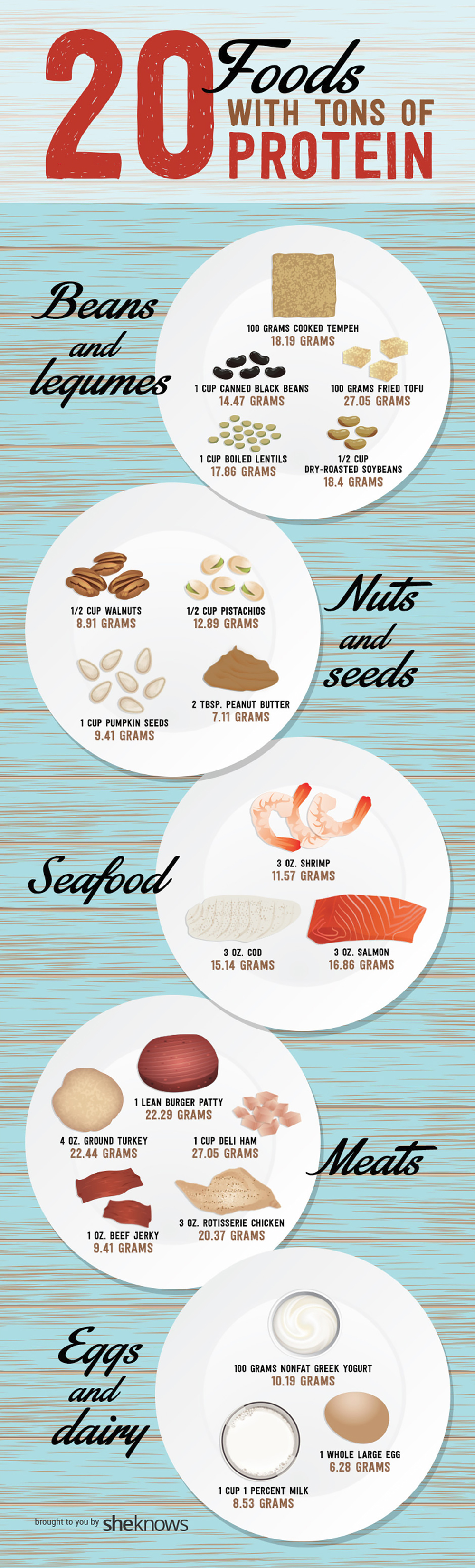
- Prioritizing whole-food protein sources like legumes, nuts, and lean meats over processed options.
- Avoiding protein supplements unless medically necessary, such as for muscle-wasting conditions.
- Monitoring overall diet quality—high protein should not come at the expense of fiber, vitamins, or minerals.
- Consulting a healthcare provider before making drastic dietary changes, especially for those with chronic health conditions.
While protein remains a cornerstone of nutrition, the latest research underscores that more is not always better. As wellness trends continue to evolve, so too must our understanding of how dietary choices impact long-term health.
