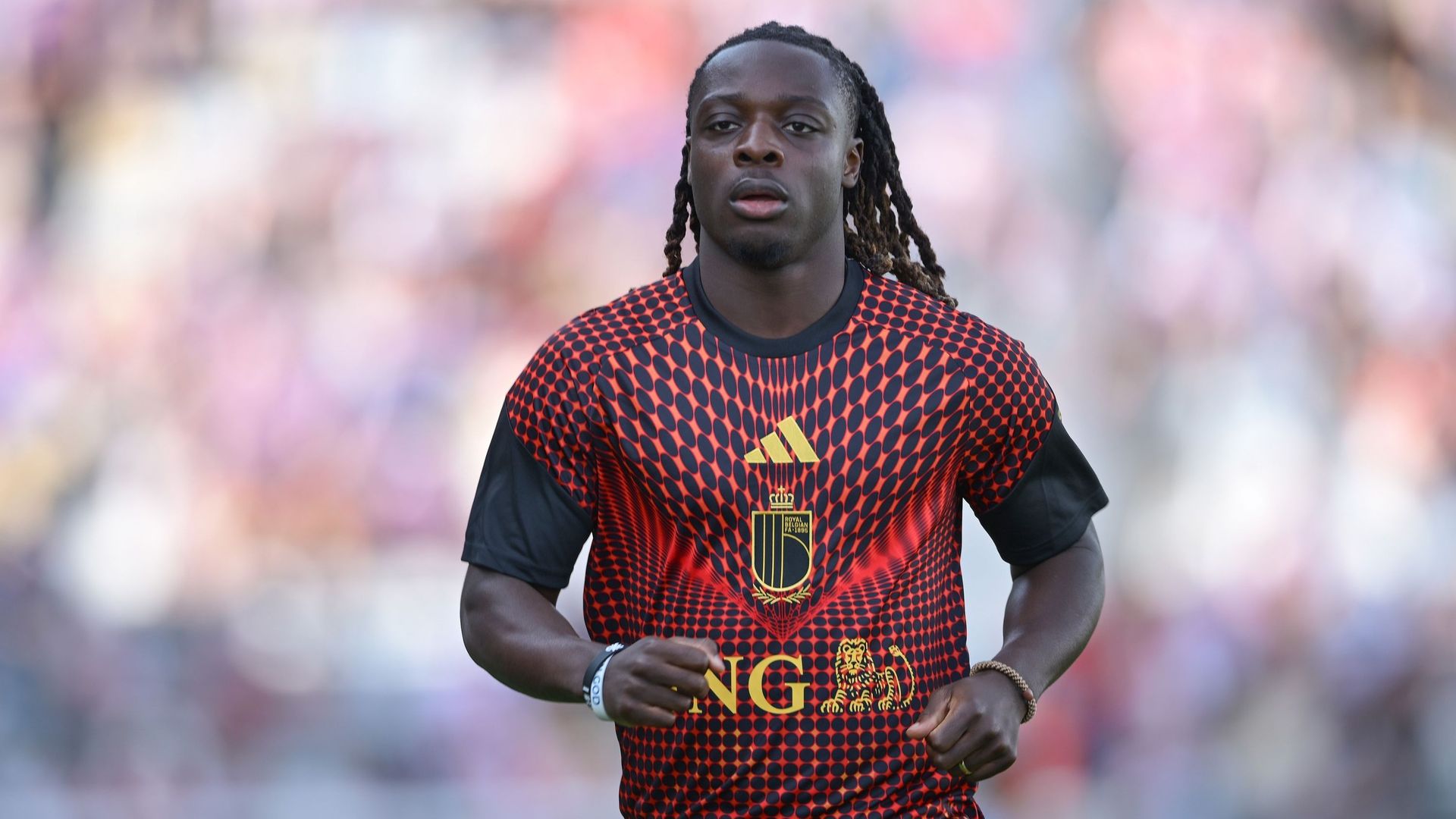
The 2026 World Cup is set to be the most expansive edition in history, with a massive pool of 1,248 players called up to represent the 48 competing nations. This growth in scale has highlighted a stark concentration of talent within a few elite clubs, most notably Manchester City, which has seen enough players selected to nearly field two complete squads.
- Format: 48 countries divided into 12 groups.
- Player Pool: 1,248 total call-ups.
- Top Favorites: France, Spain, Argentina, Portugal, and Senegal.
Club Dominance and National Representation
The distribution of players across professional leagues reveals the continuing dominance of the English Premier League, with Manchester City emerging as the most represented club. The sheer volume of City players selected underscores the club’s global recruiting reach and tactical influence on the international stage.

In other regions, the battle for representation is more localized. In Belgium, FC Bruges has edged out Genk to become the most represented club from the domestic league, reflecting the current hierarchy of Belgian football heading into the tournament.
The Contenders and the Format
As the tournament structure shifts to accommodate more teams, the competition remains centered on a few powerhouse nations. France, Spain, Argentina, and Portugal are positioned as the primary favorites to lift the trophy. Senegal is recognized as a top contender, signaling the rising competitive strength of African football.
The logistical framework of the 2026 event will see 48 countries split into 12 groups. This expanded format is expected to create a wider variety of matchups, blending established footballing giants with smaller nations, which has also drawn interest from investment perspectives due to the increased global visibility of emerging markets.
High-Profile Absentees
Despite the expanded rosters, several prominent players have missed out on the call-ups. A “team of the absentees” highlights the volatility of international selection, featuring talented figures such as Khvicha Kvaratskhelia, Hugo Ekitite, and João Pedro. Their absence underscores the immense pressure on players to maintain peak form in an era where the threshold for selection remains incredibly high, even with more spots available in the tournament.
