Rigs of the 2026 Tour Divide (Part Two): Drop-Bar Bikes – BIKEPACKING.com
Participants in the 2026 Tour Divide are increasingly utilizing drop-bar bikes to navigate the 2,700-mile route from Canada to Mexico, according to gear analysis from BIKEPACKING.com. These setups prioritize a blend of aerodynamic efficiency and ergonomic versatility, allowing riders to switch hand positions during multi-week stints in the saddle.
Why riders choose drop-bar bikes for the Tour Divide
The selection of a drop-bar configuration for an ultra-endurance event like the Tour Divide typically centers on hand position and wind resistance. According to data from BIKEPACKING.com, riders opting for these rigs often cite the ability to tuck into the drops during headwind-heavy sections of the Great Divide Mountain Bike Route as a primary advantage.
Unlike flat-bar mountain bikes, drop bars provide three distinct hand positions: the tops, the hoods, and the drops. This variation reduces the risk of ulnar nerve compression and general hand fatigue over thousands of miles. For the 2026 cohort, this ergonomic flexibility is a critical factor in maintaining a consistent pace across the diverse terrain of the Divide.
Key advantages identified in 2026 rig surveys include:
- Aerodynamic Efficiency: Lowering the torso profile reduces drag, which is essential during long stretches of paved or hard-packed gravel.
- Brake Access: Integrated brake and shift levers allow for immediate control without moving the hands from the primary gripping position.
- Psychological Variety: The ability to shift posture helps riders manage the mental grind of 10-to-14-hour riding days.
Frame materials and geometry in 2026 setups
The 2026 Tour Divide rigs show a clear divide in material preference, with titanium and carbon fiber dominating the drop-bar category. Based on observations from BIKEPACKING.com, titanium remains the gold standard for riders seeking a “lifetime” bike that resists corrosion from rain and road salt while providing a natural dampening effect on corrugated roads.
Carbon fiber frames have seen an uptick in usage due to their superior strength-to-weight ratios. These frames allow riders to carry heavier gear loads without significantly increasing the overall mass of the bicycle. However, carbon users often employ protective tapes or frameskins to prevent abrasion from frame bags and rocky debris.
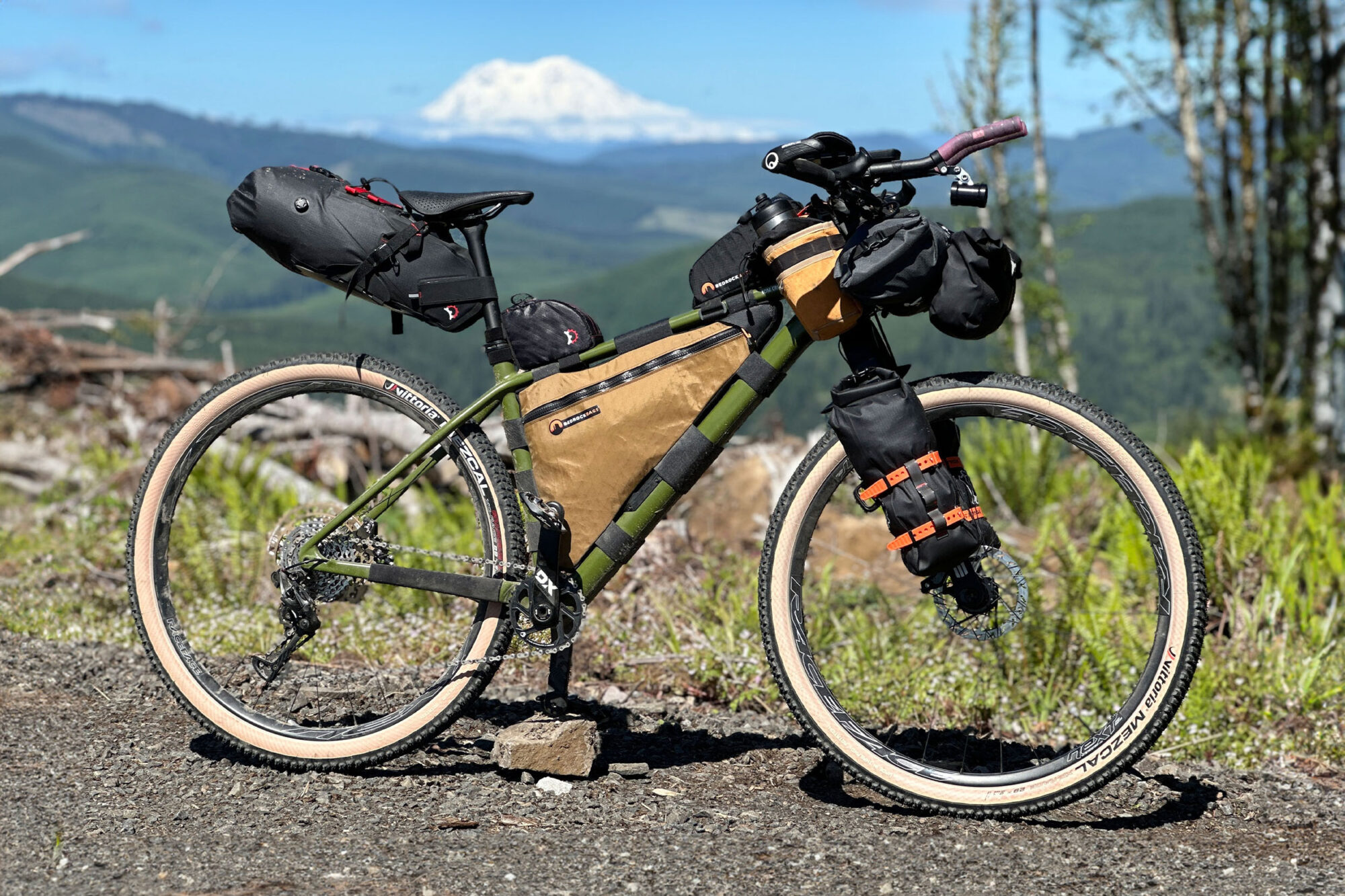
Steel continues to be a choice for a minority of riders who prioritize repairability. In remote sections of the Divide, a steel frame can theoretically be welded in an emergency, whereas carbon or titanium requires specialized equipment. Most 2026 drop-bar rigs feature “slack” geometry—longer wheelbases and shallower head tube angles—to improve stability when the bike is fully loaded with gear.
| Material | Primary Benefit | Common Trade-off |
|---|---|---|
| Titanium | Corrosion resistance and ride quality | Higher initial cost |
| Carbon Fiber | Lowest weight and high stiffness | Susceptibility to impact damage |
| Steel | Durability and ease of repair | Heaviest weight option |
Drivetrain configurations: The shift toward ultra-low gearing
Gearing for the 2026 Tour Divide has evolved to address the extreme climbs found in the Rockies and the Sierra Madres. According to gear breakdowns from BIKEPACKING.com, the majority of drop-bar riders have moved away from traditional road gearing in favor of “sub-compact” or 1x (single chainring) systems.
The 1x drivetrain is preferred for its simplicity and reliability. With fewer moving parts, there is a lower probability of chain drops or mechanical failure in muddy conditions. To compensate for the loss of a second chainring, riders are installing massive cassettes, often reaching 50 or 52 teeth on the largest cog.
Some riders still employ 2x systems to achieve a wider gear range, allowing for higher top speeds on descending paved sections while maintaining a “granny gear” for steep, loaded climbs. The choice often comes down to the rider’s expected pace; those aiming for a faster finish time lean toward 2x, while those focusing on survival and comfort prefer the simplicity of 1x.
“The goal for 2026 rigs is not just efficiency, but redundancy. If a derailleur fails in the middle of the Montana wilderness, the rider needs a setup that is easy to troubleshoot on the trail.” — Analysis based on BIKEPACKING.com gear reports.
Tire selection and wheel stability
Tire width is one of the most debated aspects of the 2026 drop-bar rigs. BIKEPACKING.com reports a significant trend toward “monster cross” dimensions, with many riders running tires between 45mm and 50mm. This width provides a necessary cushion against the relentless vibration of washboard roads.
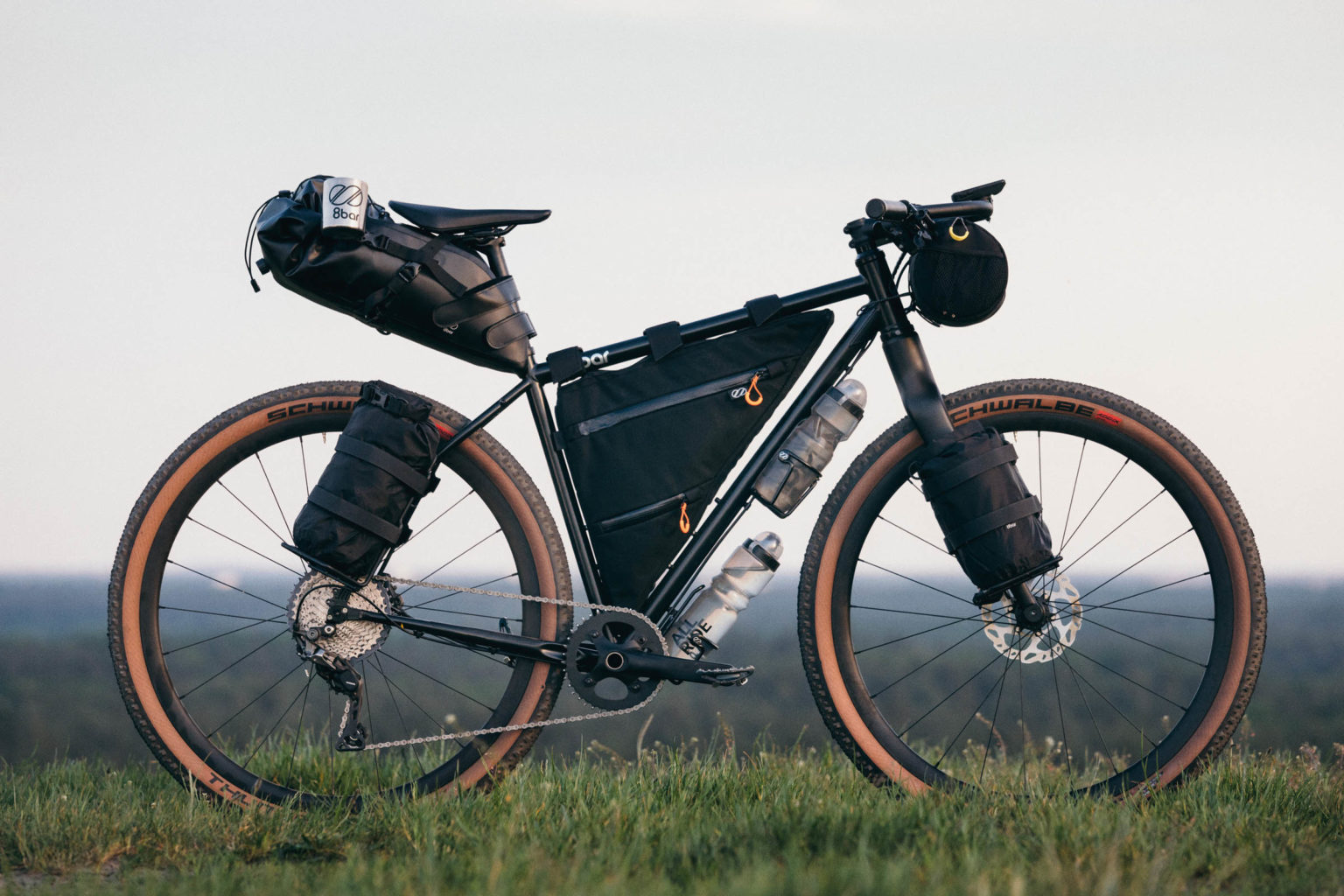
Tubeless setups are nearly universal in the 2026 field. The ability to run lower pressures increases the contact patch for better traction on loose shale and reduces the frequency of pinch flats. Sealants are used to automatically plug small punctures, which is vital when a rider is operating in self-supported mode.
Wheel material remains split between aluminum and carbon. Aluminum wheels are praised for their resilience to rim strikes on rocky terrain, while carbon wheels offer better rigidity and weight savings. Most riders are utilizing 700c wheels, though a small percentage have opted for 650b to allow for even wider tires and a slightly more stable center of gravity.
Comparison of Tire Strategies
- High-Volume (45mm+): Better comfort, lower rolling resistance on soft sand, higher stability.
- Mid-Volume (38mm-42mm): Faster on pavement, more agile, but harsher on the body over long distances.
- Tread Patterns: Semi-slick tires are common for those prioritizing speed, while knobbier tires are chosen by riders expecting wet or muddy conditions in the northern sections.
Luggage systems and load distribution
The 2026 drop-bar rigs emphasize a “balanced load” philosophy. BIKEPACKING.com notes that riders are moving away from traditional panniers in favor of streamlined bags that attach directly to the frame. This prevents the bike from becoming too wide, which is essential for navigating narrow singletrack trails.
The standard kit for a 2026 drop-bar rig typically includes:
- Seat Pack: Used for lightweight, bulky items like sleeping bags and spare clothing. Modern designs use reinforced straps to prevent the bag from swaying.
- Frame Bag: The heaviest items, such as tools, electronics, and water bladders, are placed here to keep the center of gravity low.
- Handlebar Roll: Usually contains a tent or sleeping pad. Some riders use a “fork-mount” system to move this weight to the front axle, improving steering.
- Top Tube Bag: Dedicated to “reach-frequency” items like snacks, phone, and GPS devices.
A notable trend in 2026 is the use of “anything cages” on the fork blades. These allow riders to carry additional water bottles or dry bags, reducing the reliance on the main frame bag and allowing for better airflow around the rider’s legs.
Comparing 2026 trends to previous Tour Divide cycles
When comparing the 2026 drop-bar rigs to those from five years ago, the most striking difference is the integration of technology and the increase in tire volume. In previous iterations, drop-bar bikes were often “converted” road bikes with narrow tires and minimal clearance. The 2026 rigs are purpose-built gravel or adventure bikes designed specifically for heavy loads and rough terrain.
Another shift is the approach to electronics. While previous riders relied heavily on standalone GPS units, 2026 riders are integrating more smart-device connectivity, though they maintain redundant analog backups. The reliance on electronic shifting (such as SRAM AXS or Shimano Di2) has also increased, provided the riders carry portable charging solutions.
The following table contrasts the “Classic” approach with the “2026 Modern” approach for drop-bar rigs:
| Feature | Classic Drop-Bar Rig | 2026 Modern Rig |
|---|---|---|
| Tire Width | 28mm – 32mm | 42mm – 50mm |
| Luggage | Rear Rack & Panniers | Integrated Frame Bags |
| Drivetrain | Standard Road (2x) | Ultra-Low 1x or Sub-Compact |
| Brakes | Rim Brakes / Early Disc | Hydraulic Disc Brakes |
Common misconceptions about drop-bar rigs on the Divide
A frequent misconception is that drop-bar bikes are inherently slower or less capable on technical terrain than flat-bar mountain bikes. However, BIKEPACKING.com reports that for the majority of the Tour Divide—which consists of gravel roads, double-track, and pavement—the efficiency of the drop bar outweighs the technical advantage of a flat bar.
Another common myth is that drop bars are uncomfortable for long-distance riding. In reality, the variety of hand positions actually prevents the “death grip” fatigue associated with flat bars. While flat bars offer more leverage for steep, technical climbing, the drop bar’s aerodynamic advantage is more valuable over the 2,700-mile distance.
Finally, some believe that carbon frames are too fragile for the Divide. Data from the 2026 field suggests that modern carbon layup techniques make these frames more than capable of handling the stress of bikepacking, provided they are protected from direct abrasion.
For those interested in further technical specifications, a related explainer on bikepacking gear may provide more insight into component longevity.
Frequently Asked Questions
Are drop-bar bikes better than flat-bar bikes for the Tour Divide?
Neither is objectively “better,” but they serve different priorities. Drop-bar bikes offer better aerodynamics and more hand positions, which are advantageous for speed and long-term comfort on gravel. Flat-bar bikes provide more control and leverage on highly technical, rocky, or steep terrain.
What is the ideal tire width for a drop-bar rig on the Divide?
According to 2026 trends reported by BIKEPACKING.com, tires between 45mm and 50mm are ideal. This range balances rolling efficiency on pavement with the cushioning and traction needed for rough backcountry roads.

Is a 1x or 2x drivetrain better for ultra-endurance cycling?
A 1x drivetrain is generally preferred for its simplicity and reduced mechanical failure rate. However, a 2x system provides a wider gear range, which can be beneficial for riders who want higher speeds on descents and very low gears for climbing.
How do riders manage weight distribution on drop-bar bikes?
Riders use a combination of seat packs, frame bags, and fork cages. The heaviest items are placed in the frame bag to lower the center of gravity, while lighter, bulkier items go in the seat pack and handlebar roll to maintain balance and steering agility.
Can carbon fiber frames handle the rigors of a 2,700-mile trip?
Yes, modern carbon frames are designed to handle significant stress. Most riders protect the frame with adhesive skins or tape in high-wear areas to prevent damage from bags and trail debris.
The 2026 Tour Divide rigs demonstrate a sophisticated evolution in gear selection. By blending the speed of road cycling with the durability of mountain biking, riders are creating machines capable of crossing a continent with increasing efficiency. As the route continues to evolve, the trend toward wider tires and integrated luggage suggests a future where the line between “road” and “off-road” bikes continues to blur.
