2026 Ebola Outbreak: Global Spread, Rare Strains, and the Race for Medical Solutions
The 2026 Ebola outbreak has escalated into one of the most complex public health crises of the decade, with a rare strain of the virus spreading across multiple African nations and raising alarms about global preparedness. Unlike previous outbreaks, this iteration has exposed critical gaps in testing infrastructure, treatment availability, and international coordination—while also highlighting the urgent need for innovation in disease surveillance and vaccine development. As cases continue to rise in regions with fragile healthcare systems, experts warn that the outbreak could disrupt regional economies, strain global supply chains, and force a reevaluation of how nations respond to emerging infectious diseases.
This analysis examines the current state of the outbreak, the challenges posed by the Bundibugyo strain’s resurgence, the role of private sector risk management firms like Marsh in mitigating corporate exposure, and the scientific race to develop targeted diagnostics and therapies. It also explores why this outbreak demands immediate attention—and what lessons past responses can offer to prevent further spread.
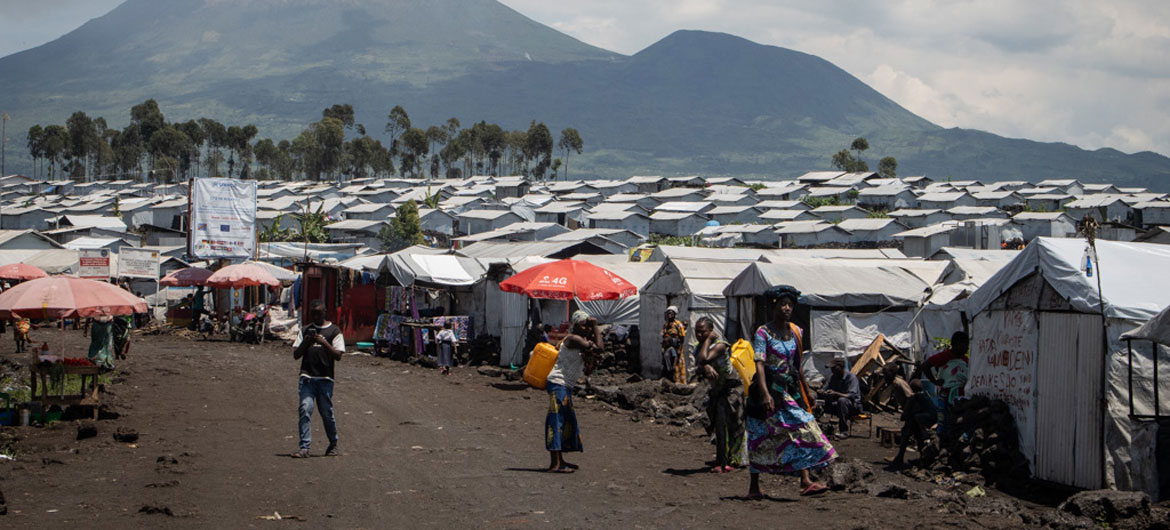
— ### The Outbreak Unfolding: A Rare Strain in Unfamiliar Territory The current Ebola outbreak, first confirmed in early May 2026, is dominated by the Bundibugyo ebolavirus, a variant that has historically been less studied than the more infamous Sudan and Zaire strains. Health authorities initially detected cases in the Democratic Republic of Congo (DRC), where the virus has reemerged in rural areas with limited medical infrastructure. By late May, the World Health Organization (WHO) had documented over 120 confirmed cases, including 37 fatalities, with the death toll rising as testing delays hinder early intervention. What sets this outbreak apart is its geographic expansion. Unlike previous clusters confined to single provinces, the Bundibugyo strain has now crossed into neighboring Uganda and South Sudan, raising concerns about cross-border transmission. The DRC’s Ministry of Health has reported active transmission in three high-risk zones, while Uganda’s health agency confirmed its first cases in early June after a family traveled from a DRC hotspot.
“The Bundibugyo strain is particularly insidious because it presents with symptoms that overlap with other febrile illnesses, making early detection far more tricky.”
— Tulane University virologist, discussing diagnostic challenges
#### Key Milestones in the 2026 Outbreak
| Date | Event | Impact |
|---|---|---|
| May 3, 2026 | First confirmed cases in DRC’s North Kivu province | Initial response delayed due to misdiagnosis as malaria |
| May 15, 2026 | WHO declares a “public health emergency of international concern” | Global health agencies mobilize funding and personnel |
| May 28, 2026 | Uganda reports first cases linked to DRC travel | Border closures and travel restrictions imposed |
| June 1, 2026 | South Sudan confirms spillover cases in Yambio County | Regional economic disruptions begin as trade routes adjust |
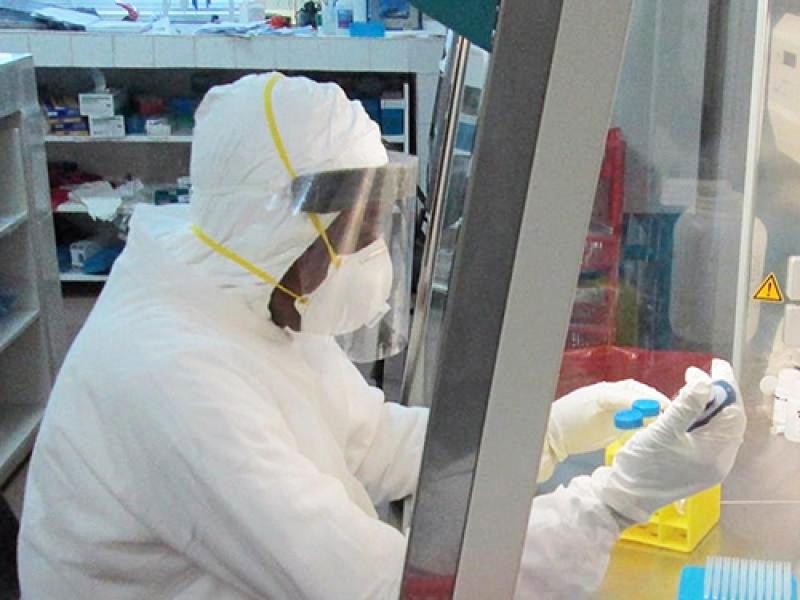
— ### Why This Outbreak Demands Urgent Action #### 1. The Diagnostic Deficit: Why Testing Is the First Line of Defense One of the most alarming aspects of the 2026 outbreak is the severe shortage of rapid diagnostic tests in affected regions. Unlike the Zaire strain, which has benefited from decades of research and commercialized testing kits, the Bundibugyo variant lacks widely available diagnostics. The DRC’s national lab network, already strained by past Ebola responses, is struggling to process samples efficiently.
Critical Gap: Only 12 of 26 provincial health zones in the DRC have functional Ebola testing capacity, according to recent WHO assessments.
This delay has deadly consequences. Patients often present with high fever, muscle pain, and vomiting—symptoms shared by malaria, dengue, and cholera. Without confirmatory tests, treatment is delayed, and the virus spreads undetected. Experts emphasize that real-time PCR testing, the gold standard for Ebola detection, requires specialized equipment and trained personnel, both of which are in short supply in rural clinics. #### 2. Treatment Challenges: A Patchwork of Experimental Therapies While the Zaire strain has seen progress with drugs like mAb114 and REGN-EB3, the Bundibugyo variant has not benefited from the same level of clinical trials. The WHO’s Ebola Therapeutics Trial, launched in 2020, did not include sufficient Bundibugyo cases to draw definitive conclusions about efficacy.
Current Treatment Landscape:
- Supportive care (IV fluids, electrolyte balance) remains the primary approach.
- Experimental monoclonal antibodies are being repurposed, but their effectiveness against Bundibugyo is unproven.
- Vaccine rollout (using the Ervebo vaccine, approved for Zaire strain) is underway but faces logistical hurdles in conflict zones.
Tulane University researchers have noted that developing a Bundibugyo-specific vaccine could take 18–24 months, a timeline that may be too sluggish to contain this outbreak. Meanwhile, oral antivirals—a promising new frontier in Ebola treatment—are still in preclinical stages and unlikely to reach deployment before 2027. #### 3. Economic and Social Fallout: Beyond the Virus The outbreak’s ripple effects extend far beyond healthcare. In the DRC, agricultural markets have collapsed in affected regions as farmers avoid travel, while mining operations have suspended activities near hotspots due to worker safety concerns. The United Nations has warned that over 500,000 people could face food insecurity by mid-2026 if supply chains remain disrupted.
Regional Impact by Sector:
| Sector | Disruption Level | Estimated Economic Loss (2026) |
|---|---|---|
| Agriculture | High (harvest delays, labor shortages) | $80–120 million |
| Mining | Moderate (temporary shutdowns) | $50–90 million |
| Tourism | Severe (border closures, travel advisories) | $30–60 million |
| Healthcare Systems | Critical (staff shortages, supply chain breaks) | Indeterminate (long-term strain) |

The psychological toll is equally significant. In Uganda, stigma against survivors persists, with communities shunning those who recover, fearing reinfection. Health workers, already in short supply, are quitting at alarming rates due to burnout and lack of protective equipment. — ### The Corporate and Global Response: Risk Management in a Crisis As the outbreak spreads, businesses—particularly those with operations in Africa—are recalibrating their risk strategies. Marsh LLC, a global leader in insurance broking and risk management, has issued advisories to multinational corporations warning of travel restrictions, supply chain interruptions, and liability risks for companies failing to protect employees in high-risk zones.
Key Risk Mitigation Strategies for Businesses:
- Travel policies: Suspending non-essential travel to affected regions; implementing mandatory health screenings for returning employees.
- Supply chain diversification: Shifting sourcing away from high-risk areas to reduce dependency on disrupted regions.
- Insurance reviews: Assessing whether existing pandemic coverage extends to Ebola-related business interruptions.
- Employee health programs: Partnering with telemedicine providers to offer remote consultations and rapid testing for symptomatic workers.
Marsh’s advisory notes that companies with operations in the DRC, Uganda, or South Sudan should conduct “threat modeling exercises” to identify critical exposure points. The firm also highlights the need for cross-border coordination, as the outbreak’s spread challenges traditional risk-assessment frameworks.
“This isn’t just an African problem—it’s a global one. A single airline passenger carrying the virus could introduce it to Europe or Asia within 48 hours.”
— Marsh risk consultant, emphasizing international travel risks
— ### Scientific and Policy Responses: Can Innovation Outpace the Virus? #### 1. The Race for Bundibugyo-Specific Tests Researchers at the National Institute of Allergy and Infectious Diseases (NIAID) and the African Union’s Africa Centers for Disease Control and Prevention (Africa CDC) are accelerating efforts to develop a rapid diagnostic test for the Bundibugyo strain. Current methods rely on laboratory-based PCR tests, which take 24–72 hours for results—a critical delay in outbreak control.
Potential Solutions on the Horizon:
- Lateral flow tests: Similar to COVID-19 rapid antigen tests, but tailored to detect Bundibugyo-specific antigens.
- Mobile lab units: Deploying WHO-backed field laboratories to rural clinics to reduce turnaround time.
- AI-driven outbreak prediction: Using machine learning to analyze mobility data and predict high-risk zones before cases emerge.
The Bill & Melinda Gates Foundation has pledged $50 million to fund diagnostic innovation, with a focus on point-of-care testing that can be used in remote settings. However, experts warn that even with funding, regulatory approval and manufacturing scaling could take 6–12 months. #### 2. Vaccine Development: A Two-Pronged Approach While the Ervebo vaccine (approved for Zaire ebolavirus) is being deployed, its efficacy against Bundibugyo is not guaranteed. The WHO’s Strategic Advisory Group of Experts (SAGE) is evaluating whether heterologous boosting—combining Ervebo with experimental Bundibugyo-specific vaccines—could offer broader protection.
Vaccine Development Timeline (Estimated):
| Stage | Timeframe | Challenges |
|---|---|---|
| Clinical trials for Bundibugyo-specific vaccine | 6–12 months | Recruiting participants in outbreak zones |
| Regulatory approval | 12–18 months | Navigating emergency use authorizations |
| Manufacturing scale-up | 18–24 months | Supply chain disruptions, cold chain requirements |
#### 3. International Coordination: Lessons from Past Failures The 2014–2016 West Africa Ebola outbreak exposed critical failures in global response, including slow funding mobilization, inconsistent messaging, and uneven resource distribution. This time, the WHO and Africa CDC are emphasizing early warning systems, cross-border collaboration, and equitable vaccine distribution.
Key Improvements in 2026 Response:
- Pre-positioned medical supplies: Stockpiles of PPE, oral rehydration solutions, and experimental drugs in high-risk countries.
- Digital surveillance: Using mobile apps to track symptoms and contacts in real time.
- Private-sector partnerships: Companies like Moderna and Johnson & Johnson are fast-tracking vaccine trials with government backing.
- Community engagement: Training local health workers to counter misinformation and stigma.
Yet challenges remain. Geopolitical tensions in the DRC have hindered aid delivery, while misinformation campaigns—including rumors that Ebola is a “foreign conspiracy”—have fueled resistance to vaccination efforts. — ### What’s Next? Monitoring the Outbreak’s Trajectory The next critical phase of the outbreak will hinge on three factors: 1. Testing Expansion: Can Africa CDC and partners deploy rapid diagnostics within the next 30 days to curb undetected transmission? 2. Treatment Access: Will experimental therapies show early promise in clinical settings, or will supportive care remain the standard? 3. Global Vigilance: Will international travel restrictions prevent the virus from reaching new continents, or will cases emerge in unexpected locations?
Watch Lists for June–July 2026:
- Kenya and Rwanda: High-risk due to porous borders and frequent cross-border travel.
- Europe and North America: Monitoring for imported cases among travelers or aid workers.
- Vaccine trials: Results from Bundibugyo-specific candidates expected by mid-July.
- Economic recovery plans: How quickly can affected nations restore stability in agriculture and trade?
— ### Frequently Asked Questions About the 2026 Ebola Outbreak
Q: How contagious is the Bundibugyo strain compared to other Ebola variants?
A: The Bundibugyo strain is less contagious than the Zaire strain but more so than the Sudan strain. Transmission occurs through direct contact with bodily fluids, not casual contact or airborne particles. However, its overlap with malaria symptoms makes early detection harder, increasing the risk of community spread.
Q: Are there any approved treatments for Bundibugyo Ebola?
A: Currently, no treatment is specifically approved for the Bundibugyo strain. Patients receive supportive care (fluids, electrolytes, pain management), while experimental drugs like mAb114 are being used off-label. The WHO is prioritizing clinical trials to assess efficacy.
Q: Should travelers avoid Africa due to Ebola?
A: The WHO advises caution in high-risk regions (DRC’s North Kivu, Ituri, and Haut-Uélé provinces; Uganda’s West Nile region; South Sudan’s Yambio County) but does not recommend blanket travel bans. Businesses and NGOs should consult real-time risk advisories from organizations like Marsh or the CDC before deploying staff.
Q: How effective is the Ervebo vaccine against Bundibugyo?
A: Ervebo is approved only for the Zaire strain. Early data suggests it may offer partial cross-protection, but its efficacy against Bundibugyo is not yet confirmed. Researchers are exploring booster strategies to enhance immunity.
Q: What can individuals do to reduce Ebola risk?
A: If traveling to high-risk areas:
- Avoid contact with sick individuals or their bodily fluids.
- Use insect repellent to prevent mosquito-borne diseases (which share symptoms with Ebola).
- Monitor for fever, fatigue, or unexplained bleeding and seek medical attention immediately.
- Follow local health advisories and avoid bushmeat consumption in rural areas.
For those not traveling, supporting global health funding and correcting misinformation about Ebola can aid the response.
Q: Could this outbreak lead to a global pandemic?
A: The risk is low but not zero. Ebola’s limited airborne transmission and requirement for direct fluid contact reduce its pandemic potential compared to respiratory viruses. However, uncontrolled spread in urban centers or a mutation increasing transmissibility could change the dynamics. Public health agencies are monitoring genetic sequencing data closely for signs of adaptation.
—
