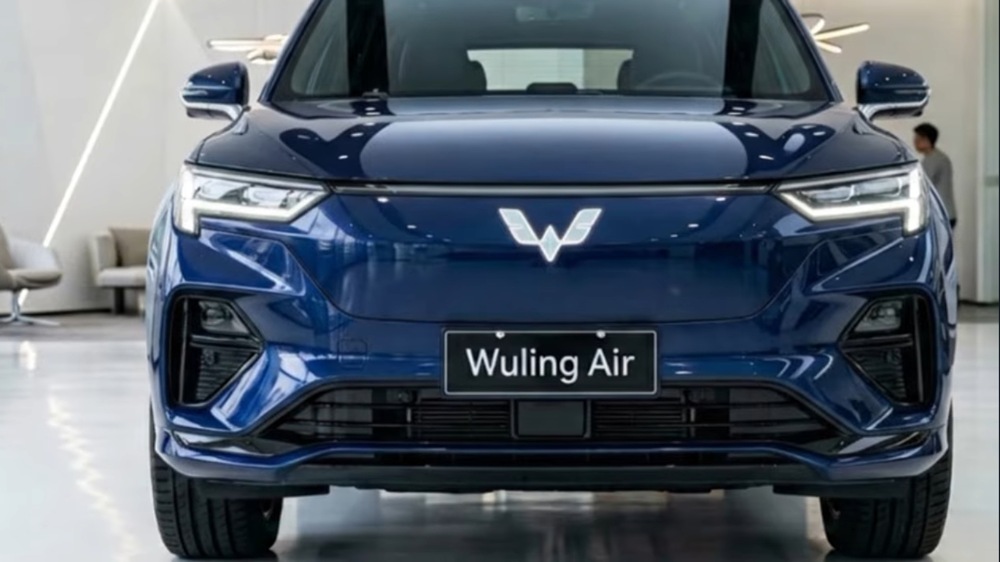
The Wuling Air EV 2026 has generated significant attention in Indonesia’s electric vehicle (EV) market, with reports highlighting its practical design, advanced features, and cost-efficiency. The model, which has been registered with the Directorate General of Taxation (PDKI), is positioned as a potential successor to Wuling’s existing Air EV lineup, though the company has only confirmed intellectual property filings without a formal product launch.
Design and Market Positioning
Early reports emphasize the 2026 model’s futuristic aesthetic, which has drawn praise from Indonesian netizens. While specific technical specifications remain undisclosed, the vehicle is described as a compact city car tailored for urban mobility. Its design reportedly integrates modern styling cues and improved ergonomics, appealing to consumers seeking a balance between functionality and style.
Regulatory and Commercial Context
Wuling’s registration of the Air EV 2026 with PDKI suggests the company is preparing for potential market entry, though no production timelines or pricing details have been officially released. The move aligns with broader trends in Indonesia’s EV sector, where manufacturers are accelerating efforts to meet growing demand for affordable, low-emission vehicles. The 2026 model is speculated to feature a 4-door configuration, differentiating it from its predecessor and expanding its appeal to family-oriented buyers.
Industry Reactions and Future Outlook
Local media outlets have noted the vehicle’s potential to strengthen Wuling’s presence in Indonesia’s competitive EV landscape. However, the company has remained cautious, with official statements focusing solely on intellectual property filings rather than product details. Analysts suggest the 2026 model could address gaps in Wuling’s current lineup, particularly in terms of interior space and technological integration.
As regulatory and commercial frameworks for EVs continue to evolve in Indonesia, the Wuling Air EV 2026’s success will depend on factors such as charging infrastructure, consumer adoption rates, and competitive pricing. The coming months will likely provide further clarity on the model’s development and market strategy.
