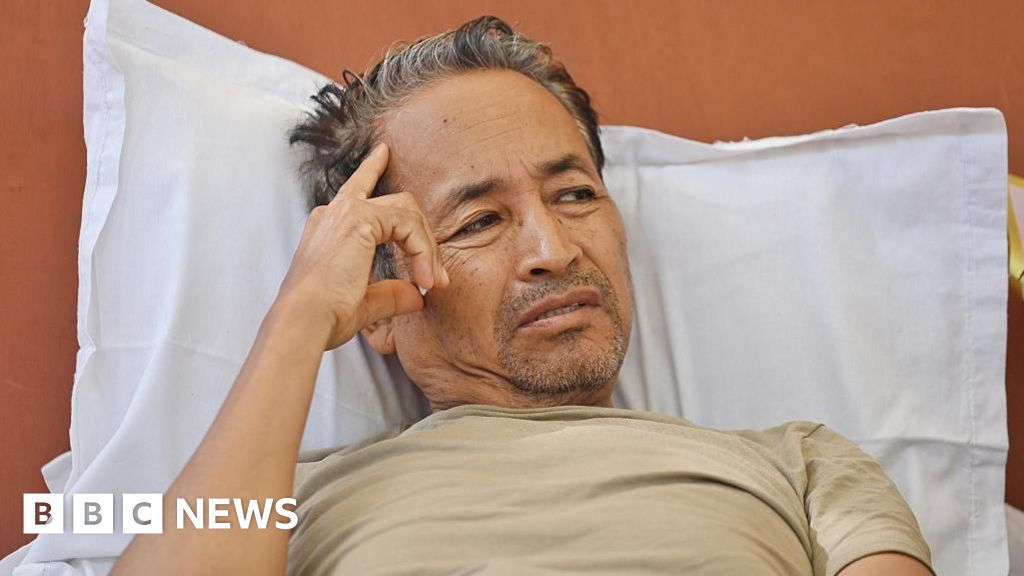
Sonam Wangchuk ends hunger strike as youth protests continue against minister
Sonam Wangchuk has concluded his 26-day hunger strike, though protests demanding the resignation of Education Minister Dharmendra Pradhan continue nationwide. Demonstrators are seeking accountability following the leakage of medical entrance exam papers.
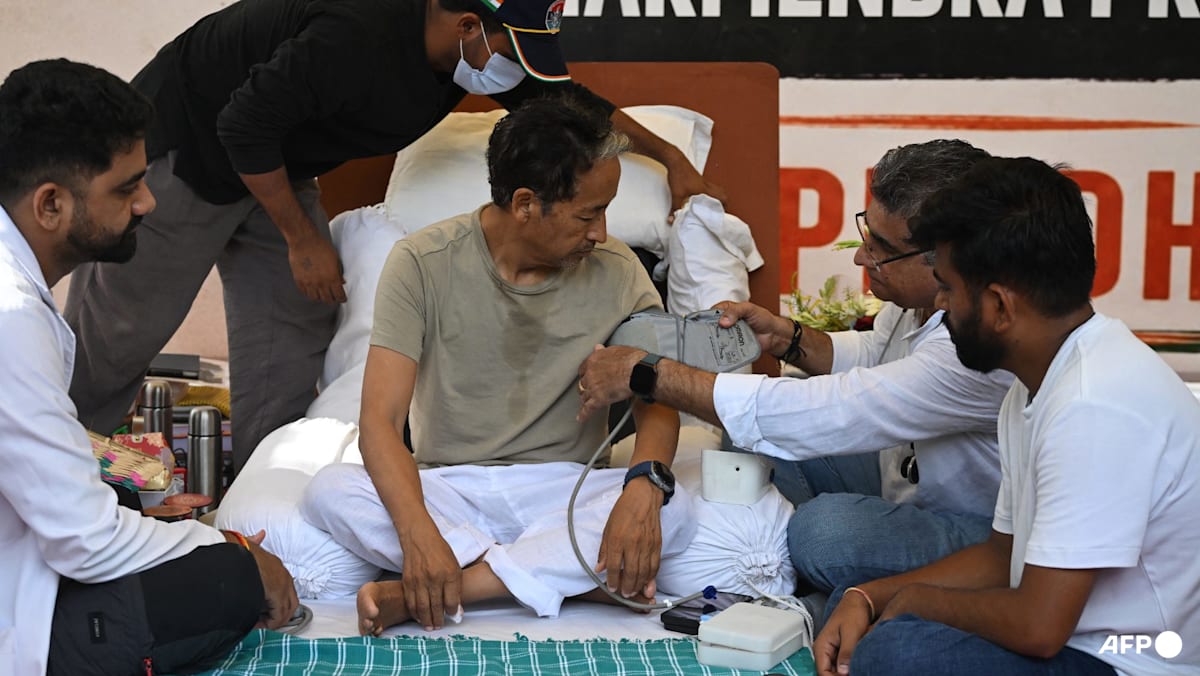
Indian activist Sonam Wangchuk ended his 26-day hunger strike on Friday, July 24, 2026, marking a pivotal moment in the ongoing youth-led demonstrations against the government’s handling of a massive medical school entrance exam scandal. The decision to break his fast came following protracted negotiations with officials, as concerns over potential unrest grew. Wangchuk stated his withdrawal was prompted by the intervention of several members of parliament and a desire to avoid violence, promising to provide further details regarding the talks in a forthcoming statement.
The Core Grievances
The protests, which represent a significant challenge to the government of Prime Minister Narendra Modi, center on the leakage of medical entrance exam papers that occurred in May 2026. This security failure affected approximately 2 million students and has been linked by organizers to several instances of student suicide. The primary demand of the protest movement, led by the Cockroach Janta Party (CJP), is the immediate resignation of Education Minister Dharmendra Pradhan. While Prime Minister Modi announced on Thursday, July 23, 2026, that the government intends to establish fast-track courts to ensure the punishment of those involved in such leaks, the CJP has dismissed this as inadequate.
Related media
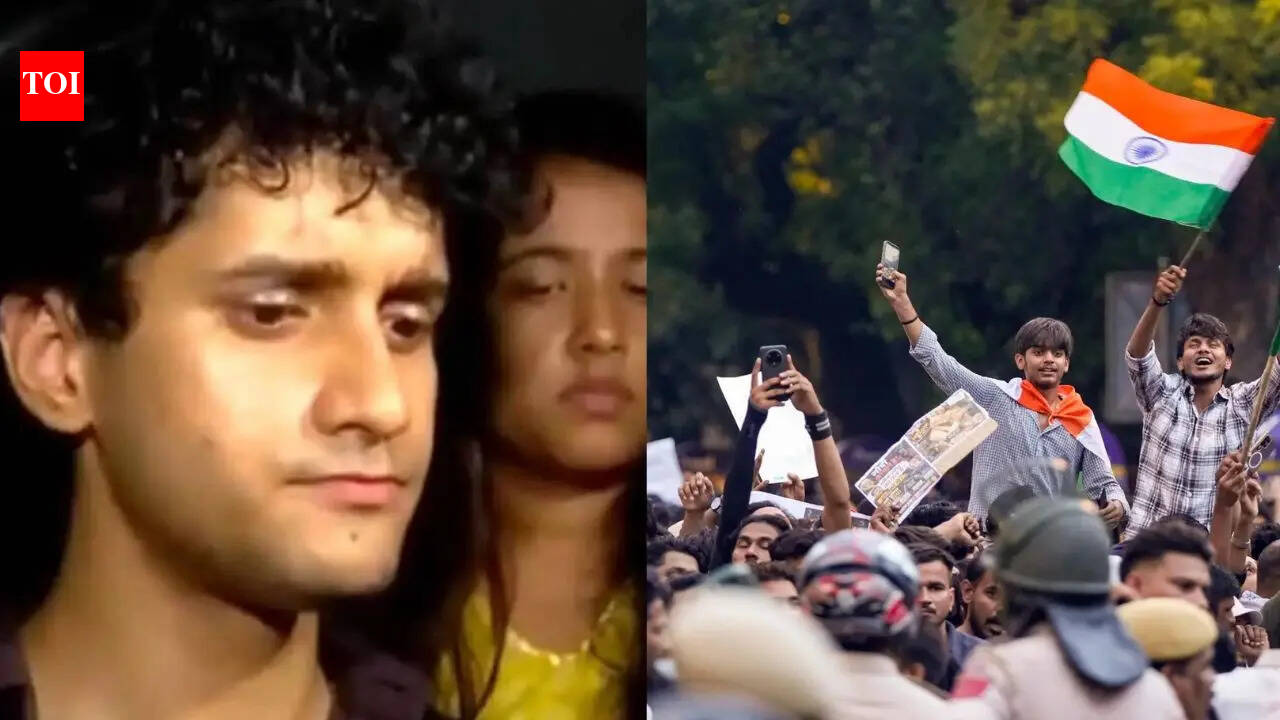
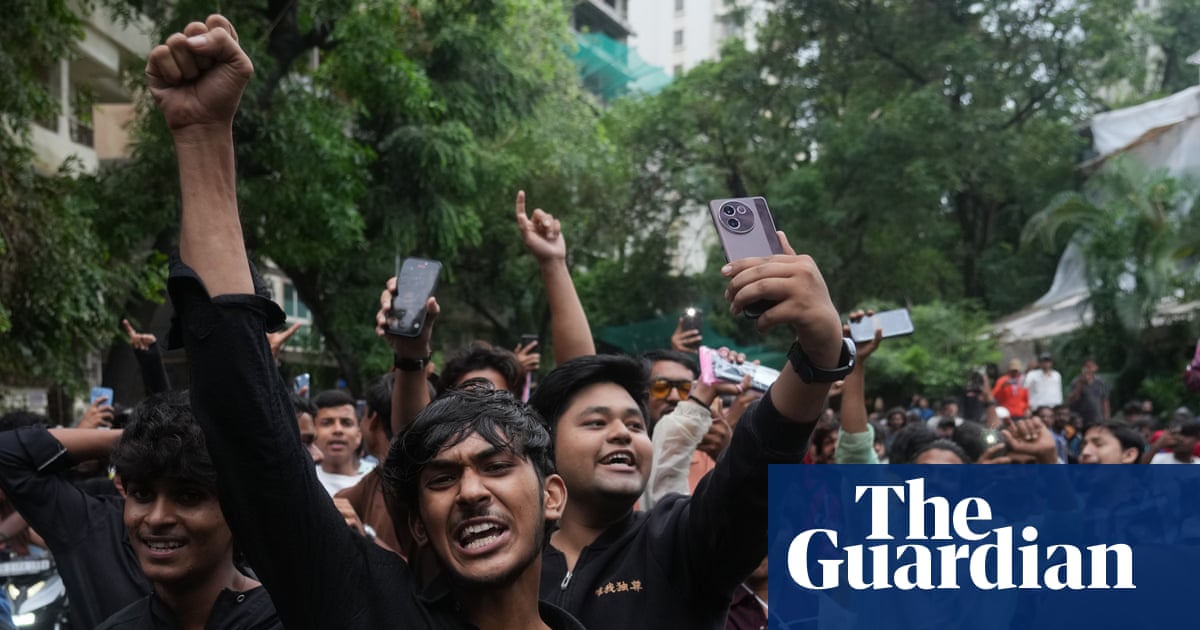
Ashutosh Ranka, a spokesperson for the CJP, challenged the government's response, stating, Modi ji, remove Dharmendra Pradhan tomorrow. That's the strictest action you can take.
CJP founder Abhijeet Dipke echoed this sentiment, confirming that the movement’s activities would continue until the minister is removed from his post. The movement has organized nationwide protests for Friday, seeking to maintain pressure on the administration.
Escalating Tensions and Security Responses
The situation in New Delhi remains strained, with heavy security deployments and recurring confrontations between protesters and authorities. On Thursday, July 23, 2026, officials ordered the closure of 16 metro stations in central areas to limit the influx of demonstrators to the Jantar Mantar protest site. Additionally, sources indicated that mobile internet services were blocked in parts of the capital, a measure which the New Delhi Traders Association said contributed to the early closure of businesses in the Connaught Place district. While the Delhi Police denied having specific plans for a crackdown, they cautioned that individuals involved in rioting could face consequences, including the potential cancellation of passports.
The political divide has deepened within the parliamentary sphere as well, with opposition parties joining the call for the minister's resignation and disrupting the ongoing monsoon session of parliament. Union Health Minister JP Nadda stated that the government remains open to dialogue, inviting CJP representatives to official venues. However, CJP leaders have rejected these private invitations, insisting that any negotiations must occur in a public or neutral venue such as the Constitution Club of India.
Historical and Social Context
The current movement is the latest in a long history of fasting agitations in India. As noted by Scroll, while hunger strikes do not always result in the achievement of specific, immediate goals, they serve as a powerful tool for broadcasting issues to the public and highlighting official apathy.
Despite the suspension of Wangchuk's fast, the CJP has reiterated its four core demands:
- The resignation of Education Minister Dharmendra Pradhan.
- Monetary compensation for the families of impacted students.
- The withdrawal of all First Information Reports (FIRs) filed against student protesters.
What to Watch Next
| Event | Status |
|---|---|
| Government-CJP Dialogue | Scheduled for Friday, July 24, at the Constitution Club of India. |
| Parliamentary Legislation | The Cabinet is expected to finalize a bill against paper leaks for introduction next week. |
Archypedia is dedicated to independent, evidence-backed reporting. This briefing was synthesized from primary source reporting, corroborated across independent newsrooms, and verified against our Editorial Standards.
Transparency record
Evidence behind this report
This report synthesizes 5 distinct sources. Open the source ledger below to compare the underlying coverage.
Prepared under the Archypedia Editorial Policy by the Samir Haddad editorial desk profile. AI-assisted tools may support drafting and verification; public accountability remains with Archypedia. Report an error.