Senate expected to confirm Jay Clayton as next intelligence director
The Senate is poised to confirm Jay Clayton as the nation's intelligence director, replacing interim head Bill Pulte following a contentious confirmation hearing.

The Senate is expected to confirm Jay Clayton as the head of the nation's intelligence agencies, ensuring a permanent director takes office as midterm elections approach. President Donald Trump nominated Clayton, who is the U.S. Attorney for the Southern District of New York and a former Securities and Exchange Commission chairman. The nomination advanced following a contentious hearing where Clayton repeatedly declined to state outright that former President Joe Biden won the 2020 election, though he noted the result was certified.
Democratic lawmakers expressed frustration with Clayton's hearing performance. Senate Democratic leader Chuck Schumer called Clayton's performance abysmal, while Virginia Sen. Mark Warner, the top Democrat on the Senate intelligence committee, stated he was bitterly disappointed and would oppose the nomination. Warner nevertheless acknowledged that Democrats found themselves caught between a rock and a hard place. They faced a choice between Clayton and Trump's temporary pick, Bill Pulte, who took over on an interim basis after Tulsi Gabbard resigned.
Related media
Pulte has no known intelligence experience and previously served as a federal housing regulator, where he investigated the president's perceived enemies. During his tenure as interim director, Pulte presided over a downsizing of the national intelligence office, boasting about carrying out a staff reduction of roughly 30% from previous levels. Hours before the scheduled Senate vote on Clayton, Pulte released intelligence community documents from 2020 on X. The documents described China’s capacity to interfere in the American political process alongside vulnerabilities in the election system, though the substance of the material was largely recycled and already known.
Republicans had originally hoped to confirm Clayton earlier to replace Gabbard without Pulte serving in an interim capacity. Senate Intelligence Committee Chairman Tom Cotton defended the nominee, stating that Clayton operates with morality, decency, and integrity. Clayton himself emphasized his national security experience during his testimony, asserting that a strong national security apparatus depends on decisive judgment, discipline, and integrity. The Senate voted along party lines to advance Clayton's nomination.
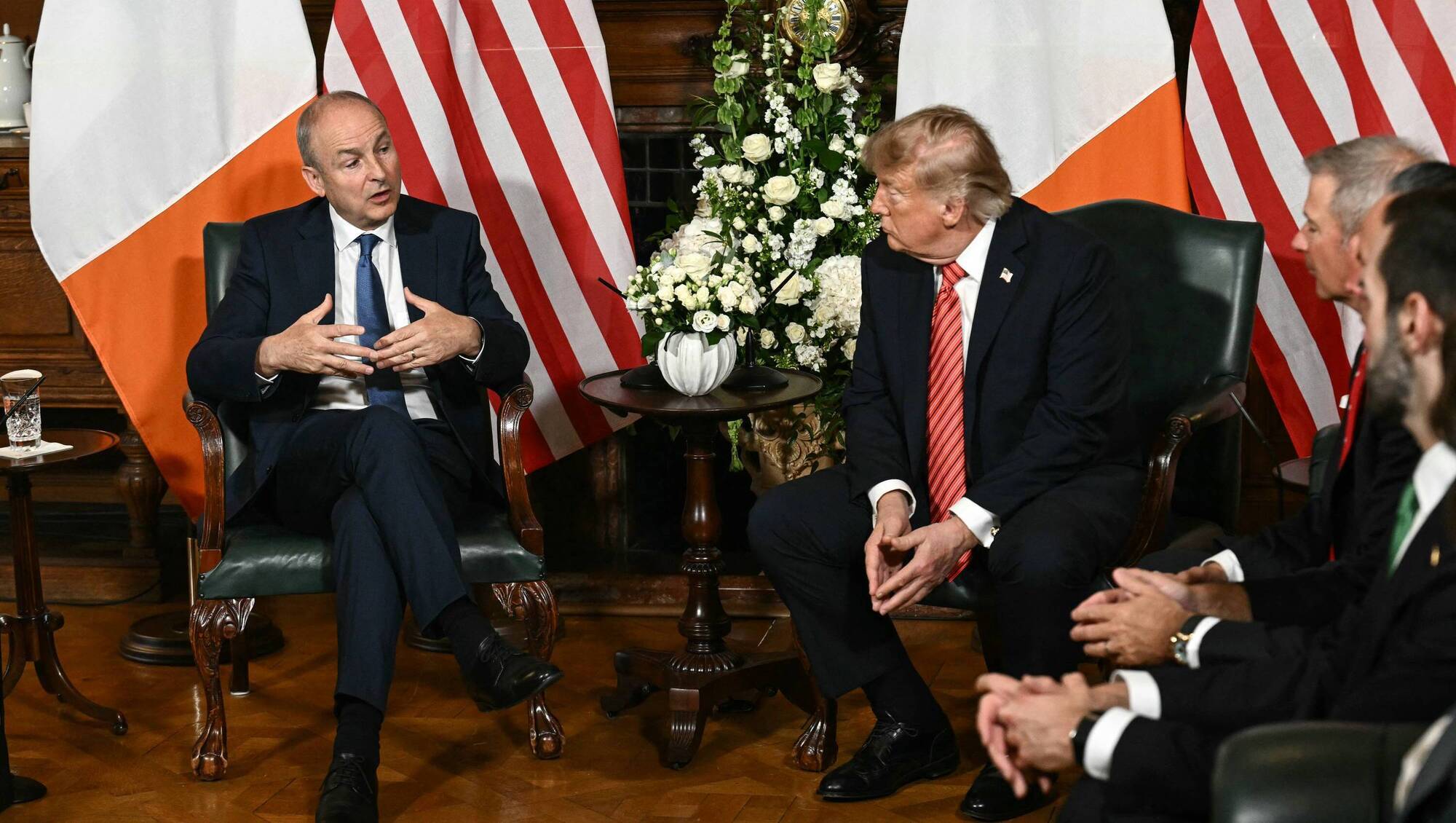
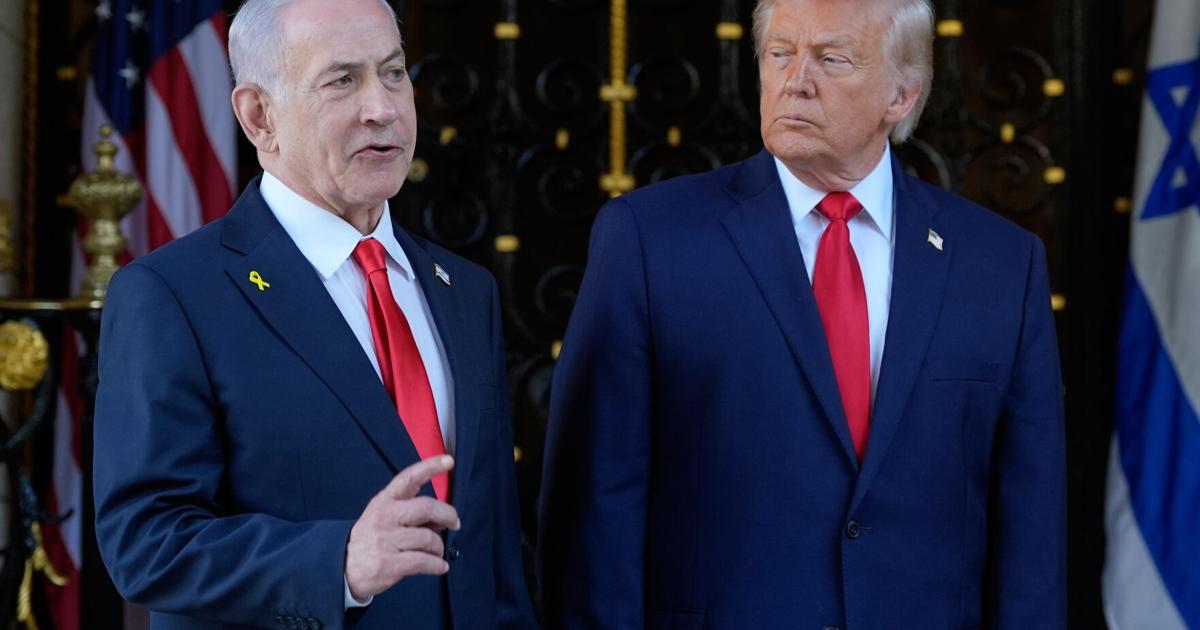
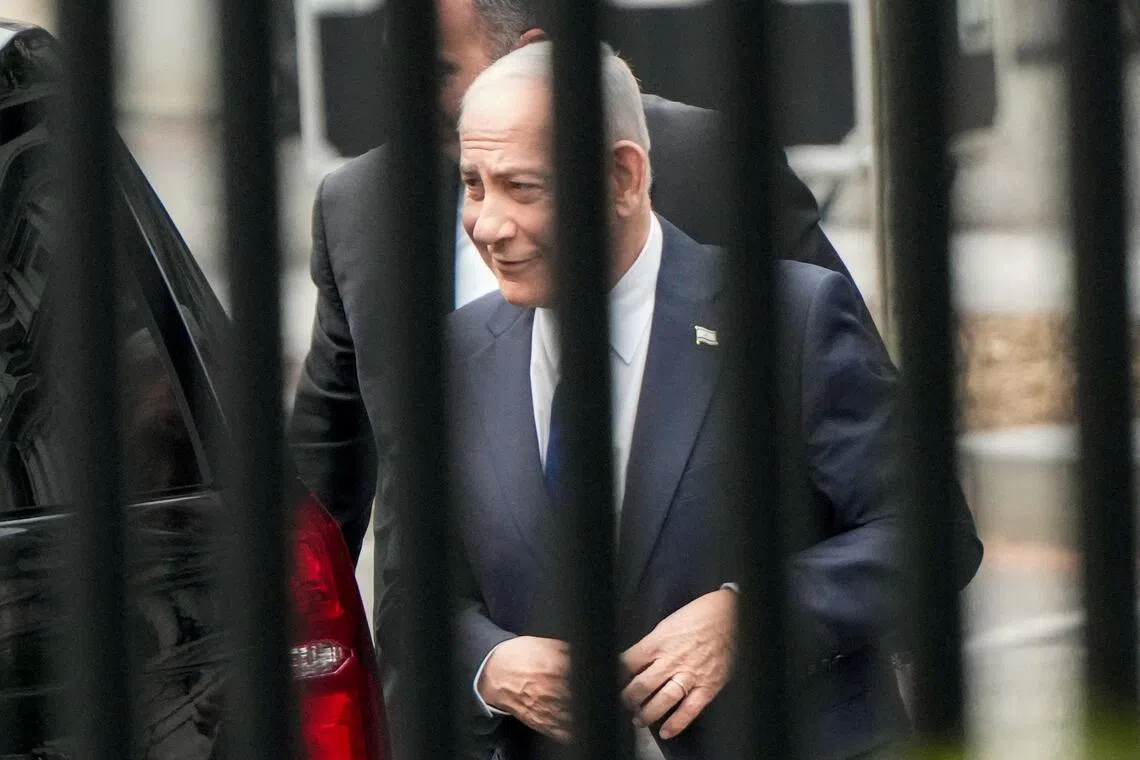
The leadership transition on Capitol Hill unfolded concurrently with high-stakes diplomatic meetings at the White House. Israeli Prime Minister Benjamin Netanyahu met with President Trump on Tuesday, July 28, 2026. The closed-door meeting marked their first sit-down since launching a joint war against Iran and lasted nearly an hour and a half.
White House press secretary Karoline Leavitt described the discussions as positive and productive. The meeting also laid bare political strains between the two leaders. Trump expressed irritation over reports that Netanyahu planned to publicize intelligence regarding Iranian activities at Pickaxe Mountain. In an interview, Trump downplayed the threat, stating that whatever Iran is doing is not a big problem and complaining that Netanyahu was announcing matters to the world simply to keep the United States involved.
Both leaders face domestic pressures as Netanyahu campaigns for reelection amid deteriorating public standing and strained relations with the White House. Trump faces pressure to wind down an unpopular conflict that has disrupted regional economies ahead of the November midterm elections. Prediction market odds for a formal diplomatic meeting with Iran dropped following Trump's remarks, while the probability of the Trump-Netanyahu meeting remained near certainty.
The White House discussions also touched on regional security frameworks, including the framework agreement signed with Lebanon and the potential expansion of the Abraham Accords. The U.S. State Department announced that the next round of U.S.-backed security talks between Israel and Lebanon will take place in Rome, focusing on testing the ability of the Lebanese army to secure areas in southern Lebanon.
What to Watch Next
- Senate confirmation proceedings for Jay Clayton following procedural advancement votes.
- Next rounds of U.S.-backed security talks between Israel and Lebanon scheduled to take place in Rome.
- Potential announcements regarding the expansion of the Abraham Accords and regional stabilization forces in Gaza.
Archypedia is dedicated to independent, evidence-backed reporting. This briefing was synthesized from primary source reporting, corroborated across independent newsrooms, and verified against our Editorial Standards.
Transparency record
Evidence behind this report
This report synthesizes 4 distinct sources. Open the source ledger below to compare the underlying coverage.
Prepared under the Archypedia Editorial Policy by the Samir Haddad editorial desk profile. AI-assisted tools may support drafting and verification; public accountability remains with Archypedia. Report an error.