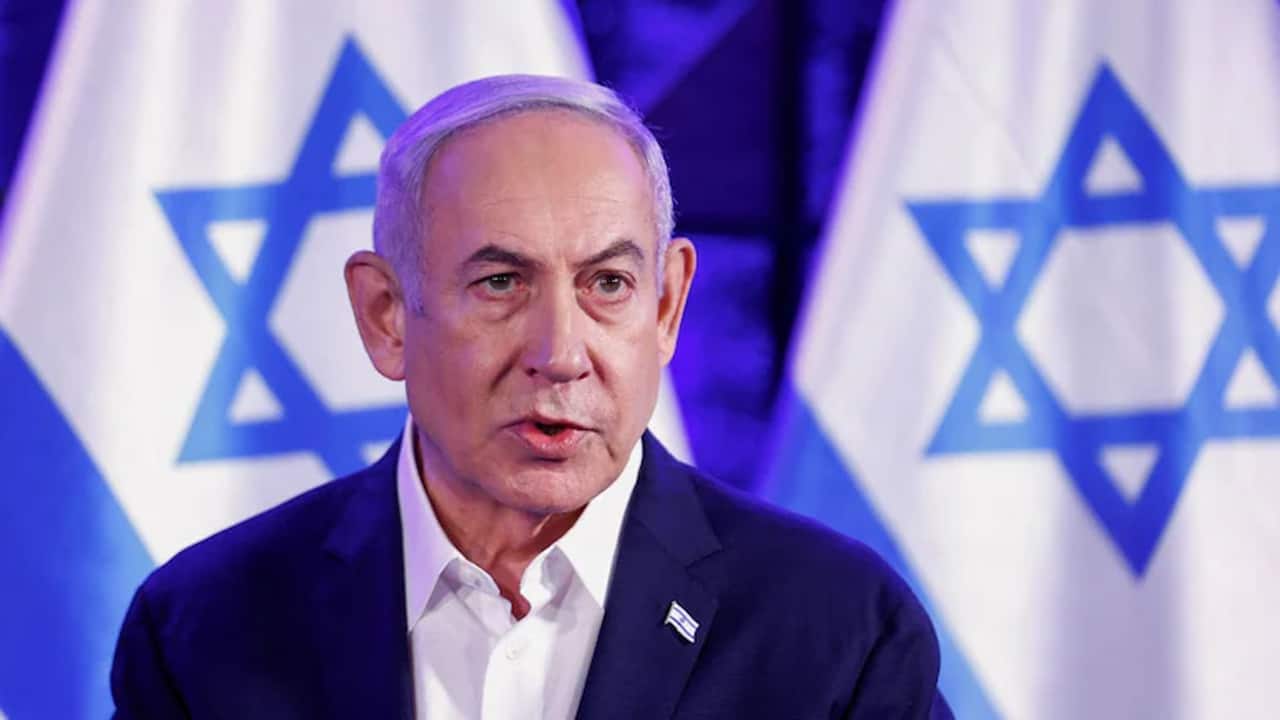
Netanyahu holds high-stakes White House meeting with Trump on Iran war
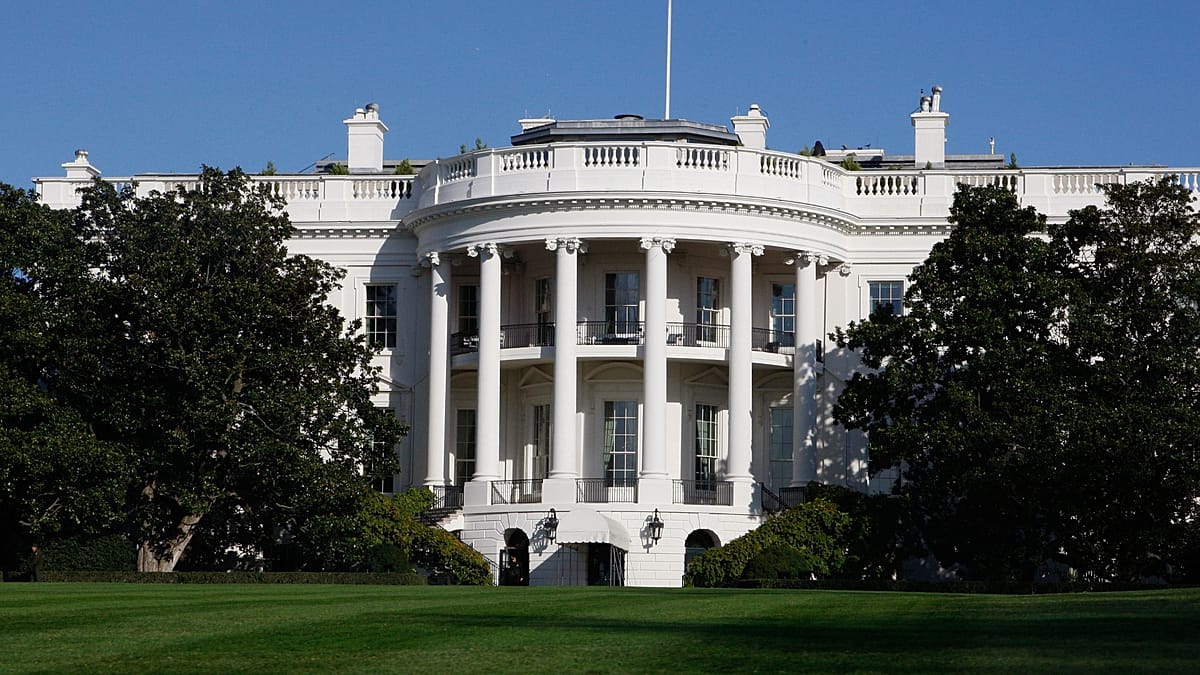
Israeli Prime Minister Benjamin Netanyahu met with US President Donald Trump at the White House for a closed-door meeting during high-stakes talks.

Israeli Prime Minister Benjamin Netanyahu arrived at the White House for a closed-door meeting with US President Donald Trump. According to NewsX, the encounter marked the first face-to-face meeting between the two leaders since the outbreak of the war with Iran. That conflict previously resulted in the death of Iranian Supreme Leader Ayatollah Ali Khamenei and several high-ranking Islamic Revolutionary Guard Corps commanders.
The high-stakes talks coincided with memorial events for the late US Senator Lindsey Graham. Both Netanyahu and Ukrainian President Volodymyr Zelensky traveled to Washington, DC, to attend the funeral services for the senator, who was a staunch congressional advocate for Israel and had recently visited Kyiv to help broker a sanctions package.
Related media
Tensions between Washington and Jerusalem have grown increasingly visible. As reported by Yahoo News, President Trump expressed frustration just hours before the Oval Office meeting that Netanyahu was trying to box him in and return to all-out conflict. Sources close to the president told Axios that bad blood and mutual suspicion have strained the alliance, with some senior officials arguing the Israeli leader was consistently wrong about the war. Tzipi Hotovely, Netanyahu's director of communications, pushed back on those claims, telling reporters that there was no truth to the assertion that Israel was pushing the US to resume fighting.
Netanyahu defended the encounter afterward. In a video posted online, he described it as one of the best conversations he has ever had with the US president, characterized by full cooperation and mutual support. The prime minister reportedly presented fresh intelligence showing a significant and concrete reconstruction process in Iran, including information regarding the heavily fortified underground nuclear site known as Pickaxe Mountain. However, Aol noted via Channel 12 reporting that President Trump was far less interested in scheduling the meeting than Netanyahu was himself, with the Israeli leader departing his home country without publicizing the trip in advance.
The diplomatic friction unfolds against a backdrop of active combat. US Central Command stated that the US military recently repelled an attempted surprise missile attack involving multiple ballistic missiles launched by Iran against regional bases, temporarily breaking a pause in fighting that Washington had pursued to jump-start peace negotiations. The conflict remains deeply unpopular with American voters as the country heads toward midterm elections. Domestically, Netanyahu also faces an impending electoral challenge as opposition parties campaign to oust his government amid criticism over the direction of the war.
In parallel, President Zelensky met with President Trump in the Oval Office to discuss military aid, air defense capabilities, and long-term strategic cooperation. Euronews reported that the Ukrainian leader arrived as Moscow and Kyiv intensified long-range attacks, highlighted by a massive overnight drone barrage targeting the Moscow region. Zelensky pressed for expanded air defense support to safeguard critical infrastructure, building on preliminary discussions from the NATO Summit in Ankara where the US indicated willingness to license domestic production of Patriot missile defense interceptors in Ukraine.
Key Agenda Items and Diplomatic Context
- Iran War and Nuclear Program: Netanyahu presented intelligence on Iranian military and nuclear reconstruction, while Washington weighed a return to full-scale conflict against diplomatic negotiations.
- Ukraine Air Defense: Zelensky sought expanded anti-ballistic defense support and advanced the long-term goal of domestic Patriot missile manufacturing.
- Regional Stability: Discussions also encompassed the implementation of the framework agreement with Lebanon regarding the Israel-Hezbollah conflict, efforts to revive Gaza reconstruction, and the potential expansion of the Abraham Accords through Saudi normalisation.
As world coverage continues to monitor these developments, the administration faces critical choices regarding its military posture in the Middle East and ongoing security commitments in Europe.
Archypedia is dedicated to independent, evidence-backed reporting. This briefing was synthesized from primary source reporting, corroborated across independent newsrooms, and verified against our Editorial Standards.
Transparency record
Evidence behind this report
This report synthesizes 4 distinct sources. Open the source ledger below to compare the underlying coverage.
Prepared under the Archypedia Editorial Policy by the Samir Haddad editorial desk profile. AI-assisted tools may support drafting and verification; public accountability remains with Archypedia. Report an error.