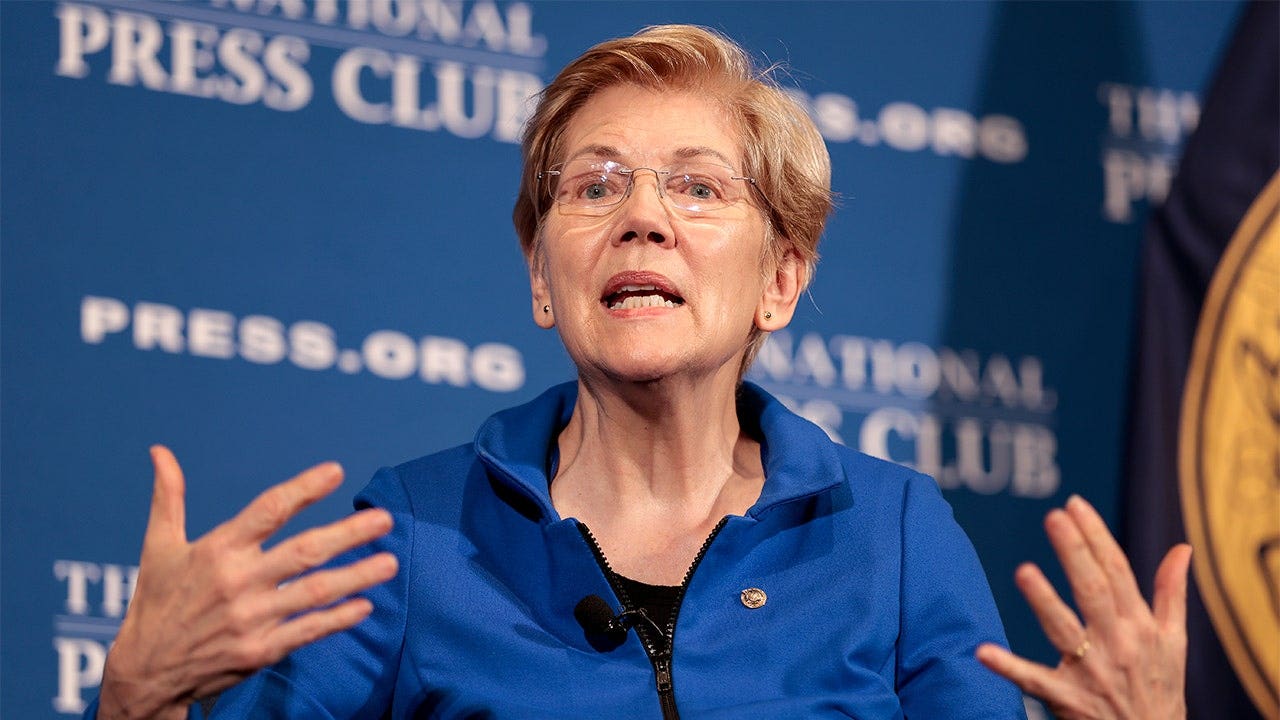
Michigan Senate primary remains too close to call for Stevens, El-Sayed
With over 1.2 million ballots counted, the high-stakes Michigan Democratic Senate primary hinges on uncounted Detroit mail-in votes as Abdul El-Sayed holds a slim lead over Haley Stevens.
Voters across Michigan triggered a high-stakes cliffhanger in the state's Democratic Senate primary on Wednesday, 5 August 2026, colliding with conflicting race calls, uncounted mail-in ballots in Detroit, and massive voter turnout during the early-morning hours. While NBC News projected an outright victory for progressive Abdul El-Sayed over moderate U.S. Representative Haley Stevens, concurrent reporting from CNN noted that the race remained too close to call as El-Sayed clung to a narrow statewide lead with approximately 95 per cent of the estimated vote counted, according to devdiscourse.com and other outlets.
The core of the unresolved suspense centered on Wayne County, where thousands of uncounted mail-in ballots in Detroit heavily favored Stevens. According to CNN via devdiscourse.com, while those Detroit mail ballots broke heavily in Stevens' favour, she would need to significantly improve her margin in the remaining vote to overtake El-Sayed. Both candidates addressed their supporters after midnight and acknowledged that the race could extend into Wednesday.
Related YouTube video

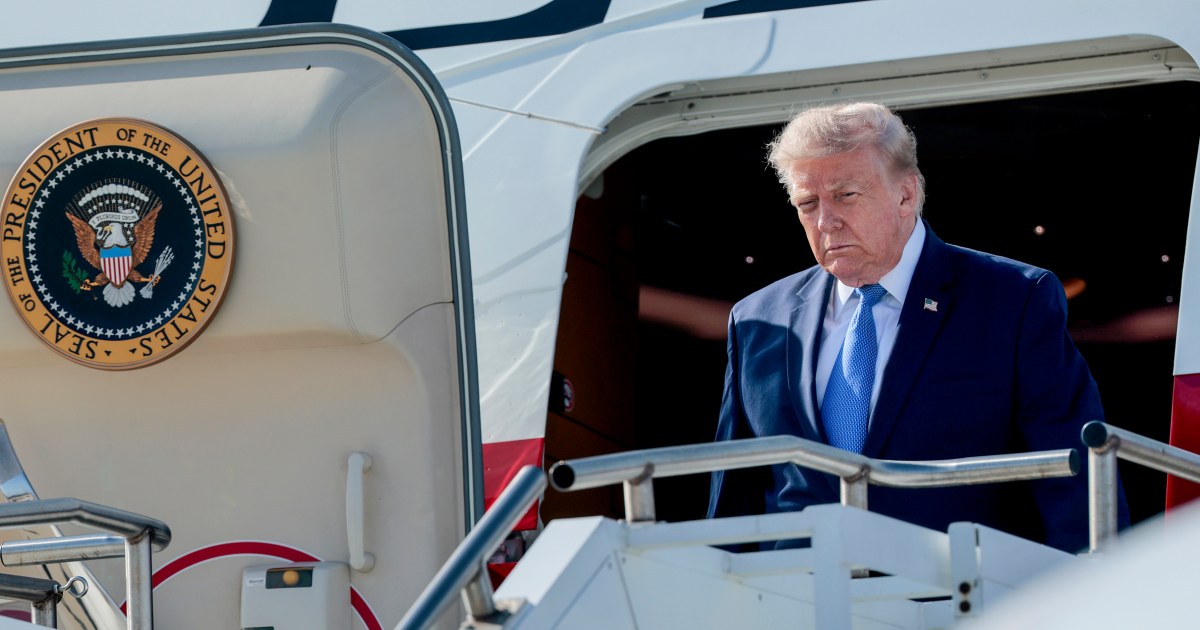
"I wish I could tell you that I was declaring victory right about now,"
Abdul El-Sayed, Democratic Senate candidate, via Devdiscourse and CNN
El-Sayed pointed to the time being taken to count votes as a sign of strong turnout for the progressive movement. He also called for Democratic unity ahead of the November election against Republican Mike Rogers, stating, according to devdiscourse.com, "However much we might disagree with our Democratic opponent, there is so much more that unites us than divides us." Turning directly to the Republican nominee, El-Sayed said, "I know you're listening, Mike. Mike, we are coming for you," while framing the election as an opportunity for the progressive movement to shape the country's future by building "the next 250."
Stevens similarly urged patience, telling her base that a tight race was precisely what they anticipated. She noted that results were still awaited from Detroit as well as parts of Flint, Muskegon County and Macomb County. Rallying her supporters for the general election, Stevens referenced a viral campaign moment by declaring, "We got to wake up and be ready to go because if we are going to win this thing, which we are, we are going to have to get ready and show Mike Rogers what a little stick it to 'em looks like." Furthermore, she accused Rogers of seeking to "keep the Senate red" and asserted that Republicans wanted him to return to Washington "and sell us out to the highest bidder and make himself even wealthier."
Behind the numbers lies an intense institutional collision that laid bare deep ideological fault lines within the party. As detailed by NBC News and devdiscourse.com, El-Sayed's campaign triumphed despite navigating a nearly $65 million outside spending onslaught aimed at halting the progressive movement. The establishment mobilized heavily behind Stevens, culminating in a late-July endorsement from popular Governor Gretchen Whitmer designed to blunt El-Sayed's momentum.
That friction electrified the electorate. More than 1.2 million ballots had been counted in the Democratic Senate race shortly after 1 a.m. ET Wednesday, surpassing the previous record of 1.18 million votes from the August 2020 primary. CNN noted via devdiscourse.com that once counting is complete, turnout could approach or surpass the nearly 1.6 million votes cast in Michigan's 2020 presidential primary, marking high Democratic enthusiasm in competitive Senate races.
Concurrent statewide primaries further reshaped the Michigan political map. Michigan Secretary of State Jocelyn Benson secured a resounding victory in the Democratic gubernatorial primary, defeating Genesee County Sheriff Chris Swanson, as reported by yahoo.com. Benson enters the general election with millions in cash on hand, avoiding the bruising intraparty battles faced by her Republican counterparts.
Michigan Primary Facts at a Glance
- Abdul El-Sayed and Haley Stevens battled through a Democratic Senate primary featuring over 1.2 million ballots counted shortly after 1 a.m. ET Wednesday.
- Jocelyn Benson easily won the Democratic gubernatorial nomination, defeating Chris Swanson with an 85% to 15% unofficial margin called by the Associated Press at 9 p.m. On Tuesday, 4 August 2026.
- The Senate primary faced a nearly $65 million outside spending onslaught and a late-July endorsement of Stevens by Governor Gretchen Whitmer.
The ultimate resolution of the Senate primary now rests on the final certification of remaining Wayne County and Detroit mail ballots, which will cement the margin of El-Sayed's projected primary victory over Stevens ahead of the November showdown with former Representative Mike Rogers, who secured the Republican nomination.
How significant is this development?
Contribute your assessment to the aggregated reader intelligence ledger.
Archypedia is dedicated to independent, evidence-backed reporting. This briefing was synthesized from primary source reporting, corroborated across independent newsrooms, and verified against our Editorial Standards.
Transparency record
Evidence behind this report
This report synthesizes 4 distinct sources. Open the source ledger below to compare the underlying coverage.
Prepared under the Archypedia Editorial Policy by the Samir Haddad editorial desk profile. AI-assisted tools may support drafting and verification; public accountability remains with Archypedia. Report an error.