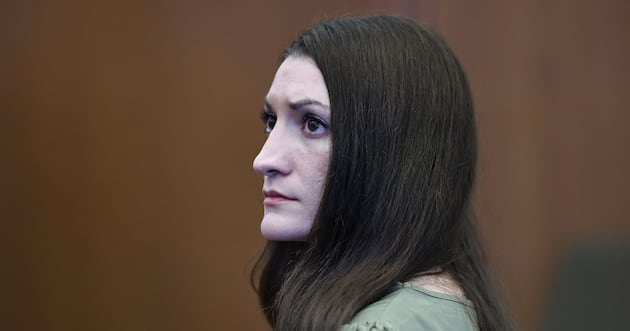
Deadlocked Lindsay Clancy jury sent home again after juror dispute
Courtroom tensions escalated as Judge William Sullivan questioned jurors individually following a deadlock in the trial of the nurse accused of killing her children.

Defense attorney Kevin Reddington slammed papers onto the bench during a tense confrontation Thursday, demanding that Judge William Sullivan remove a juror from the panel deciding the fate of Lindsay Clancy. The outburst followed a series of private interviews between the judge and individual jurors, a move that has drawn warnings from legal experts regarding the risk of pressuring jurors to abandon their honest convictions.
The clash occurred on the sixth day of deliberations for the 36-year-old former labor and delivery nurse. Clancy is charged with the 2023 strangulation deaths of her children: Cora, 5, Dawson, 3, and Callan, 8 months. According to Reddington, a note from the jury foreperson indicated a single juror was holding up a verdict
by refusing to follow court instructions regarding reasonable doubt.
Related YouTube video
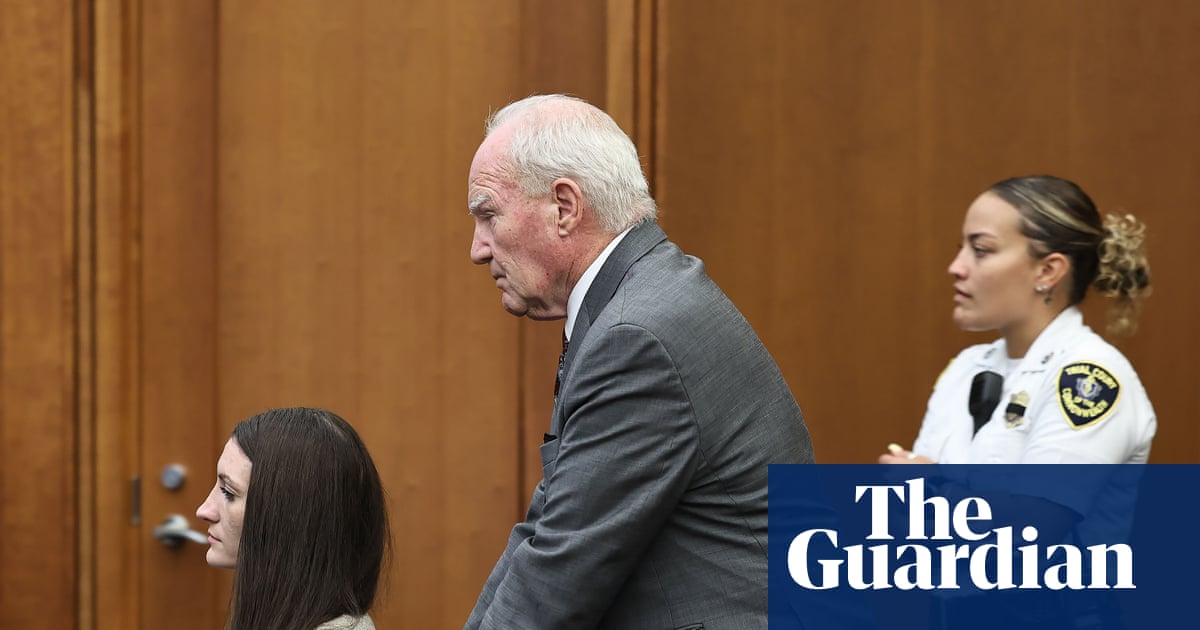

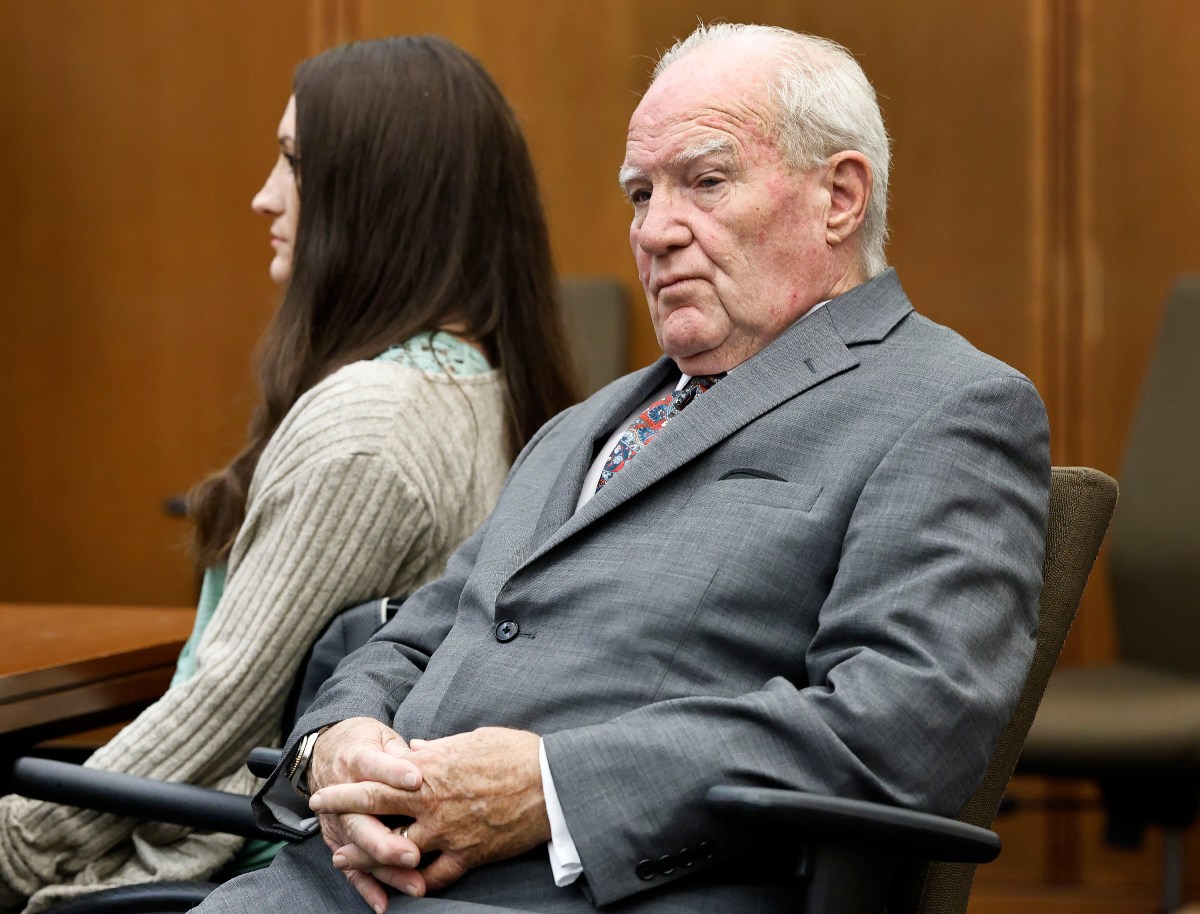
Judge Sullivan declined the motion to remove the juror, stating it would not be proper to side with one juror against 11 others. The deadlocked jury was sent home and is scheduled to return Friday, September 4, at 9 a.m. ET.
The case centers on Clancy's mental state during the killings. The defense argues that postpartum psychosis—a rare illness following childbirth—rendered her not criminally responsible. Conversely, prosecutors allege her actions were calculated, noting that she deliberately sent her then-husband on errands to clear the house. While the defense claims she heard a voice telling her to kill the children so she could end her own life, prosecutors have questioned the seriousness of her suicide attempt, which left her paralyzed from the waist down after she jumped from a second-floor window.
The courtroom tension reflects a precarious legal balance. Judge Sullivan had already issued the Tuey-Rodriguez instruction, a dynamite charge
intended to encourage a deadlocked jury toward consensus without forcing them to violate their individual judgment. Following the jury's latest note, Sullivan brought each juror in individually for private questioning before rereading the legal standards for reasonable doubt.
Mark O'Mara, a legal expert appearing on CNN, described the decision to question jurors individually as extraordinarily dangerous
territory, suggesting Sullivan needs to be extraordinarily careful
according to Newsweek. Under Massachusetts law, the Tuey-Rodriguez charge carries a coercive risk if it pressures jurors to prioritize a verdict over conviction. Precedent from the state's highest court, including Commonwealth v. Chalue, has flagged the danger of targeting individual holdouts. Additionally, state law generally prohibits a judge from ordering a jury back out indefinitely without their consent once the Tuey-Rodriguez instruction has been delivered.
The 12 jurors have deliberated for approximately 30 hours, weighing testimony from more than 80 witnesses and 300 exhibits. The possible outcomes are:
- Conviction: A first-degree murder verdict would result in life imprisonment without parole.
- Insanity Acquittal: A finding of not guilty by reason of insanity could lead to the judge ordering psychiatric commitment if the defendant is deemed a danger to the public.
- Mistrial: A declaration of a hung jury would end the trial without a verdict.
The prospect of a mistrial is increasing. Legal analyst Elyse Hershon stated that The next time they say they are deadlocked or unagreed — that is usually the mistrial call
, according to Mcall.
Outside interference has further strained the proceedings. On Wednesday, 56-year-old Dawn Light, a Clancy supporter, was arraigned on an intimidation charge after authorities alleged she filmed jurors leaving the courthouse. This incident prompted Judge Sullivan to ask each juror on Wednesday if they had seen anything that would affect their impartiality.
The current impasse follows a pattern of failure to reach unanimity. According to Texanswire/USA Today and Newsweek, the jury first reported a deadlock on Tuesday, September 1, after four days of work. They reported a second impasse on Wednesday, September 2, which led to the Tuey-Rodriguez charge.
Outside the courtroom, support for Clancy remains high; Reddington noted on Thursday that she has received letters of support from all over the world
. If a mistrial is declared, prosecutors must decide whether to pursue a retrial, negotiate a plea, or drop the charges.
Archypedia is dedicated to independent, evidence-backed reporting. This briefing was synthesized from primary source reporting, corroborated across independent newsrooms, and verified against our Editorial Standards.
Transparency record
Evidence behind this report
This report synthesizes 7 distinct sources. Open the source ledger below to compare the underlying coverage.
Prepared under the Archypedia Editorial Policy by the Samir Haddad editorial desk profile. AI-assisted tools may support drafting and verification; public accountability remains with Archypedia. Report an error.