Jared Kushner meets Egyptian president and Hamas to push Gaza peace plan
The diplomatic push focuses on a 15-point roadmap involving an International Stabilization Force, though Benjamin Netanyahu insists on total disarmament before troop withdrawal.

Jared Kushner spent between 90 minutes and more than two hours in a reserved Sunday meeting in Cairo with Khalil al-Hayya, a senior political leader of Hamas, as the administration of Donald Trump attempts to bridge a gap with the Israeli government. The encounter, which included officials from Qatar, Turkey, and Egypt, focused on securing a concrete disarmament commitment from Hamas to revive a stalled peace plan.
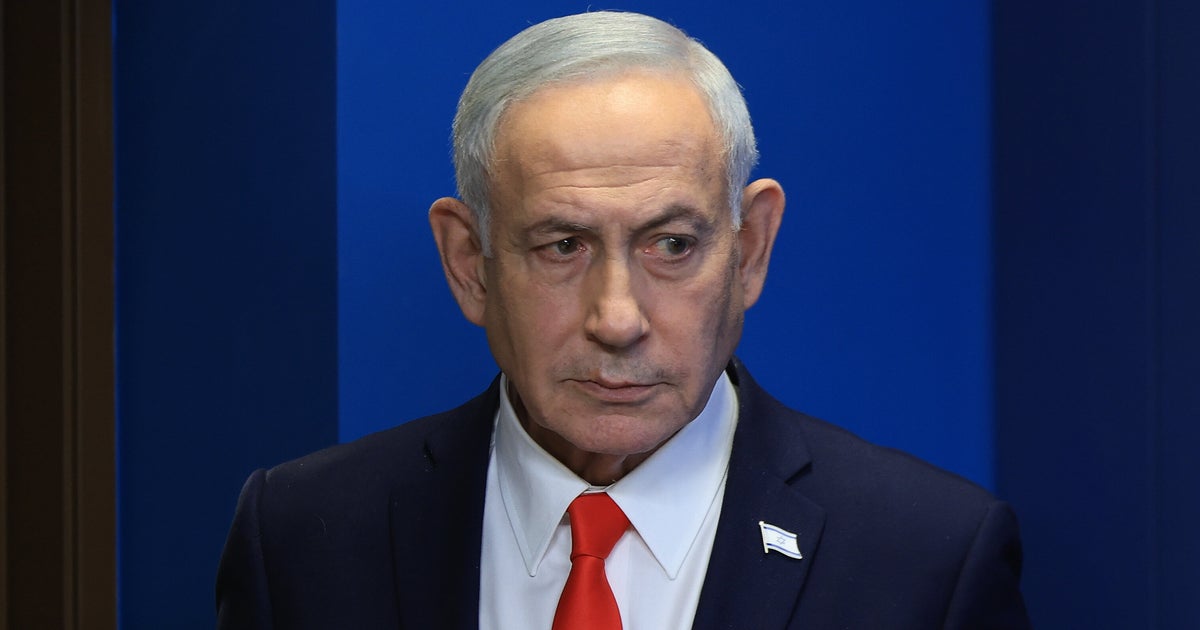
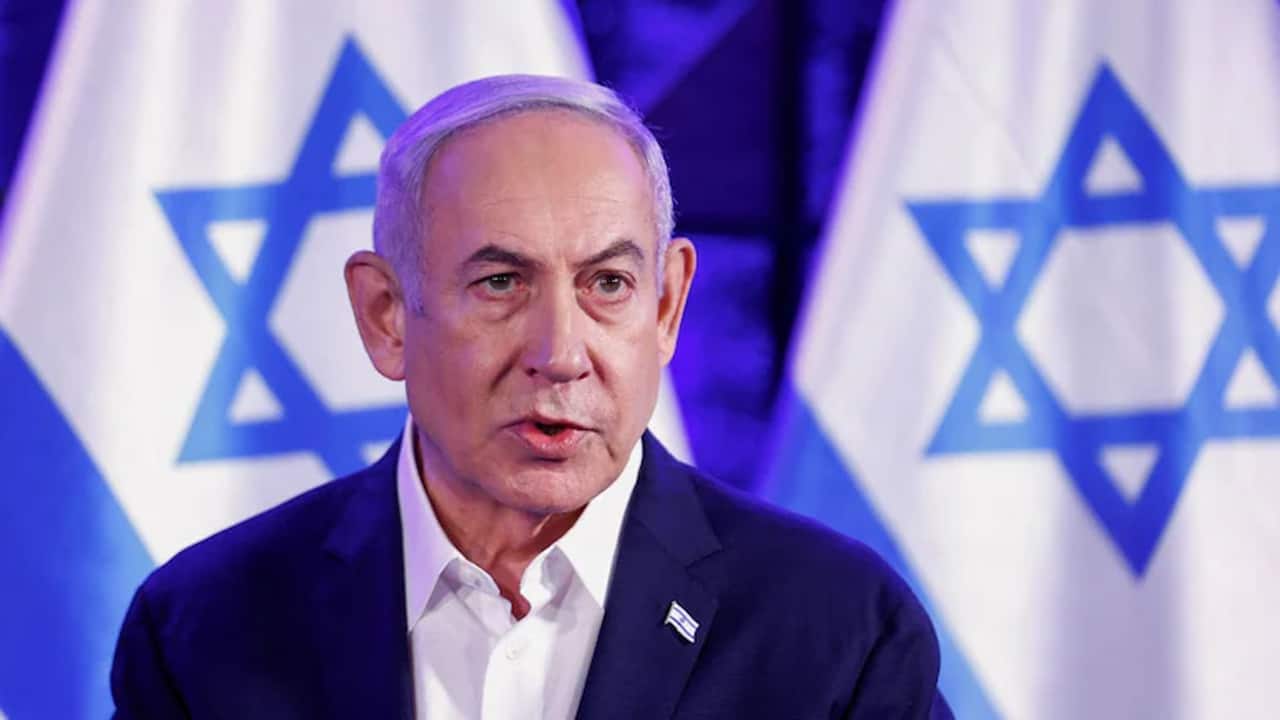
The diplomatic push follows a rejection by Israeli Prime Minister Benjamin Netanyahu of a 15-point roadmap proposed by Washington. The primary deadlock involves sequencing: Washington envisions a phased transition, but Netanyahu insists Israeli forces will not withdraw until Hamas is completely disarmed. According to El Mundo, Netanyahu has demanded an authentic
rather than a fictitious
disarmament.
Related YouTube video


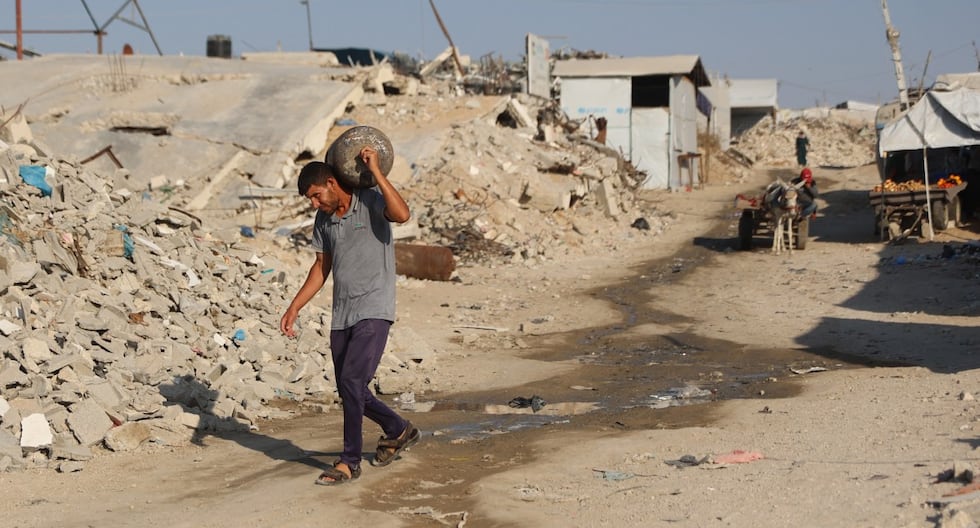
Hamas has signaled a willingness to advance toward demilitarization and transfer civil control to a Palestinian government, but it demands that Israel stop its attacks and withdraw troops to a demarcation known as the yellow line
. This territorial dispute is complicated by the fact that Israeli forces currently control approximately 60% of the Gaza Strip and have moved beyond the yellow line—a boundary sources cited by La Nación say was never precisely defined. Netanyahu previously indicated in May that Israel intended to expand that control to 70%.
The diplomatic circuit in Egypt extended beyond the Hamas meeting. Kushner met with Egyptian President Abdel Fattah al-Sisi in the Mediterranean city of El-Alamein, where both parties emphasized the need for all actors to fulfill obligations under the ceasefire. Concurrently, al-Hayya met with Egyptian intelligence chief Major General Hassan Rashad to denounce Israeli actions, which Hamas characterized as contempt
for the commitments made in Sharm el-Sheikh, according to Infobae.
The 15-Point Roadmap
The peace plan pushed by Kushner and the Peace Board
(Junta de Paz) seeks to replace Hamas governance with a civilian structure. According to reporting from Gestión and El Economista, the primary mechanisms include:
- Disarmament: Hamas must surrender its weapons and military infrastructure to a transitional Palestinian authority.
- Technocratic Governance: The transfer of administration to the National Committee for the Administration of Gaza, a body of Palestinian technocrats. Hamas announced in July the dissolution of its civil administration to facilitate this.
- International Oversight: The deployment of an International Stabilization Force to separate Israeli troops from Palestinian-administered zones. Nikolai Mladenov, executive director of the Peace Board, confirmed Israel has given the
green light
for this mission.
Kushner has insisted that Hamas must have no role in the future government of Gaza. Conversely, Hamas has tied the delivery of its heaviest weapons to the creation of a Palestinian state—a demand the current Israeli government rejects, according to La Nación.
These direct negotiations are unusual given that the United States designates Hamas as a terrorist organization. However, the Trump administration has used direct contacts to negotiate hostage releases and the October 2025 ceasefire.
The human cost of the current deadlock remains high. Since the ceasefire took effect on October 10, the Gaza Ministry of Health reports at least 1,262 Palestinian deaths resulting from Israeli operations, a figure the United Nations considers reliable. During the same period, the Israeli army has reported five deaths among its ranks, as noted by Gestión.
Netanyahu is operating under intense domestic pressure with a national election scheduled for October 27. He manages a coalition that includes hardline ministers opposed to any withdrawal without the total defeat of Hamas. This internal friction is mirrored by regional pressure; a joint communiqué from eight Muslim nations, including Saudi Arabia, Jordan, and the UAE, accused Israel of obstructing peace efforts. The Likud party has dismissed these criticisms, claiming foreign powers are attempting to remove Netanyahu from power.
Kushner, who was formally named Special Envoy for Peace Missions on February 19, 2026, is attempting to leverage these Egyptian talks into a breakthrough. He was joined in the meetings by former British Prime Minister Tony Blair and Nikolai Mladenov.
The viability of the plan now depends on a meeting scheduled for Monday, between Kushner and Benjamin Netanyahu.
The timeline for a resolution remains constrained by the Israeli political calendar and the approaching anniversary of the October 7, 2023 attacks. Hamas member Basem Naim told AFP that the United States should pressure the Israeli government to adhere to the roadmap and avoid obstructing the process for internal political and electoral reasons.
How significant is this development?
Contribute your assessment to the aggregated reader intelligence ledger.
Archypedia is dedicated to independent, evidence-backed reporting. This briefing was synthesized from primary source reporting, corroborated across independent newsrooms, and verified against our Editorial Standards.
Transparency record
Evidence behind this report
This report synthesizes 5 distinct sources. Open the source ledger below to compare the underlying coverage.
Prepared under the Archypedia Editorial Policy by the Samir Haddad editorial desk profile. AI-assisted tools may support drafting and verification; public accountability remains with Archypedia. Report an error.