King Harald V of Norway treated for blood infection after health decline
Crown Prince Haakon has assumed the role of regent as the 89-year-old monarch receives antibiotics for a bacterial infection following complications from anemia treatment.
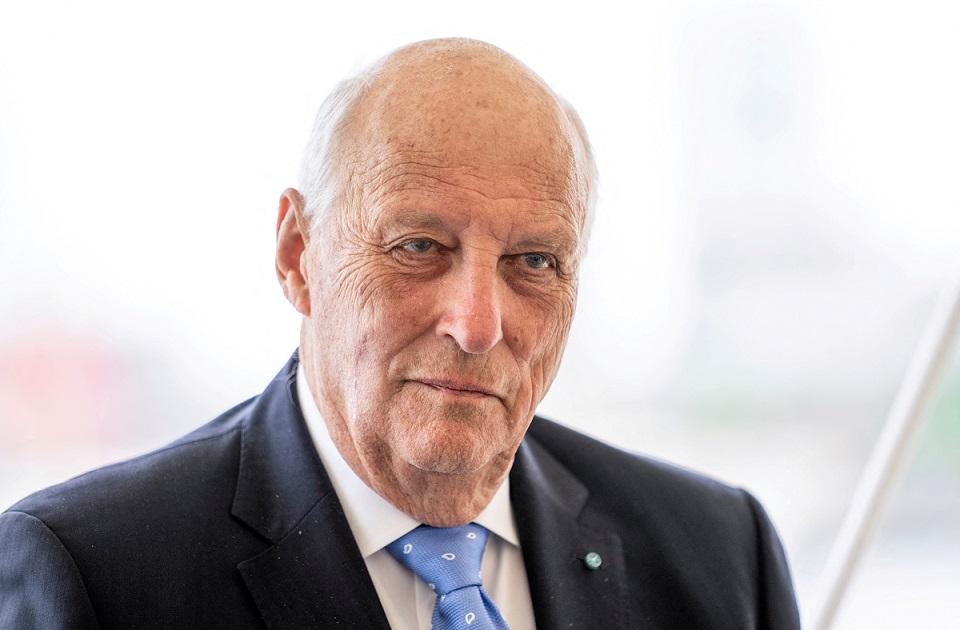
Crown Prince Haakon has assumed the role of regent following a deterioration in the health of King Harald V, who remains hospitalized at Rikshospitalet. The 89-year-old monarch, Europe's oldest current head of state, was admitted to the specialized facility at Oslo University Hospital on August 17 after medical complications arose from previous treatments, according to Daily Finland.
The current crisis began with the treatment of hemolytic anemia. The Norwegian Royal Court reported via Yahoo News that the King had been receiving cortisone for the condition in recent weeks. This treatment led to fluid accumulation in his body, which necessitated his hospitalization. While receiving care for these complications, the King's condition worsened over the weekend; he is now receiving antibiotics for a bacterial infection in his blood.
Related YouTube video


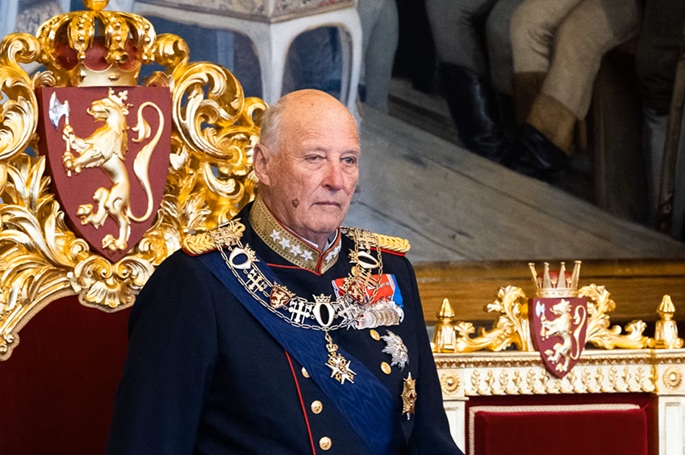
The royal household stated on Sunday that the King has responded to the antibiotic treatment and his condition is currently stable.
This latest hospitalization is the most recent in a series of medical emergencies that have affected the monarch throughout 2024. In February, King Harald was treated for a skin infection on one of his legs while on holiday in Tenerife, in Spain's Canary Islands, according to The Senior. In March, after falling ill during a private holiday with Queen Sonja in Malaysia, he received a temporary pacemaker before being transported back to Norway via a medical airplane to have a permanent pacemaker fitted.
Despite this pattern of acute health failures and his decision to cut back on official engagements, the King has explicitly ruled out abdication. He has insisted that his oath as king is for life.
The transition to regency occurs against a backdrop of widespread health fragility within the immediate royal family. While the King manages heart and blood disorders, other senior members have faced severe chronic conditions:
- Crown Princess Mette-Marit: Suffers from chronic pulmonary fibrosis and received a lung transplant in June.
- Queen Sonja: Admitted to hospital in May following heart problems.
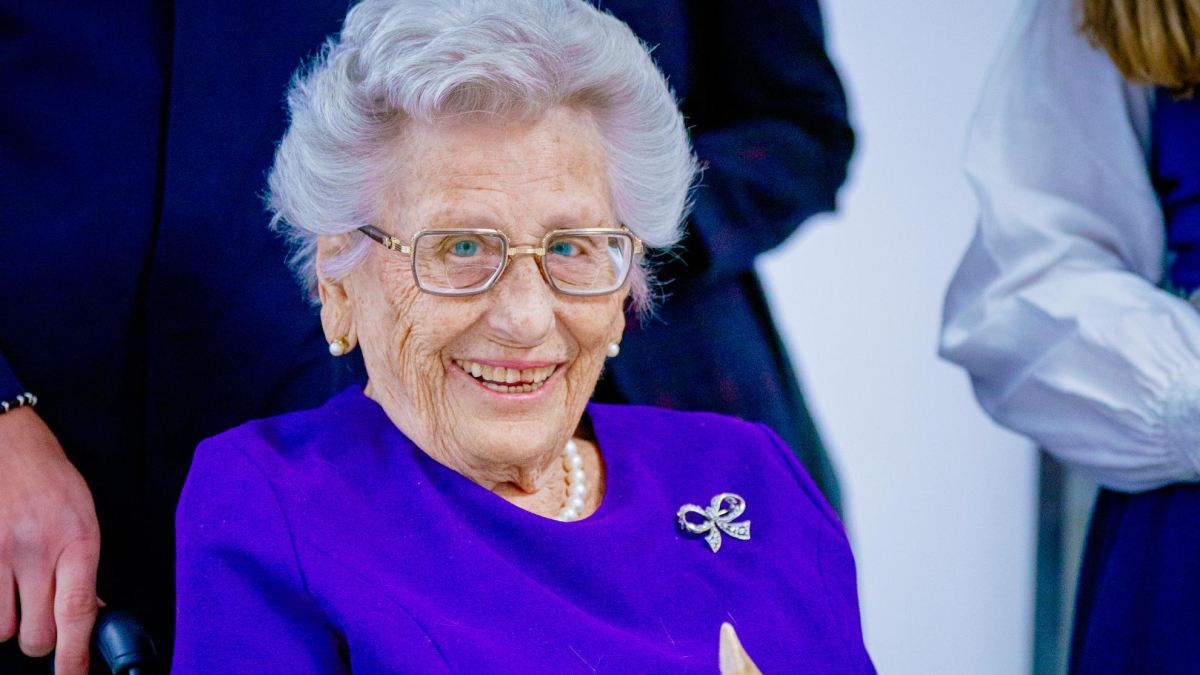
- Princess Astrid: The King's sister also has a weak heart.
The King's stability is now the primary focus of the royal household. Having ascended the throne in 1991, Harald V is currently on sick leave until further notice.
Medical Timeline and Regency Status
The current hospitalization followed a specific sequence of medical interventions. According to the Norwegian Royal Court, the monarch had been utilizing cortisone in recent weeks to manage hemolytic anemia. This specific course of treatment resulted in fluid accumulation throughout his body, which led to his admission to Rikshospitalet on August 17. While being treated for these complications, his health declined over the weekend, necessitating the introduction of antibiotics to combat a bacterial infection in his bloodstream.
This acute episode is the latest in a series of critical health events recorded since the start of the year. As detailed by The Senior and Yahoo News, the King's 2024 medical history includes:
The regency of Crown Prince Haakon ensures the continuity of state functions while the monarch remains on sick leave. This arrangement follows the King's previous acknowledgment of his fragility after the pacemaker surgery in March, at which time he decided to reduce his official engagements. However, the Royal House of Norway maintains that the King's commitment to his lifelong oath precludes any possibility of abdication.
The medical priority now remains the administration of antibiotics and the monitoring of the bacterial infection. While the royal household reported on Sunday that the King has responded to this treatment and his condition is stable, he remains under the care of the specialized facility at Oslo University Hospital. The royal household has not provided a specific discharge date, noting only that the King is on sick leave until further notice.
Medical Management and Royal Stability
The current crisis at Rikshospitalet follows a specific sequence of medical interventions. According to the Norwegian Royal Court and Daily Finland, the monarch had been utilizing cortisone in recent weeks to manage hemolytic anemia. This course of treatment resulted in fluid accumulation throughout his body, which led to his admission to the specialized facility on August 17. While being treated for these complications, his health declined over the weekend, necessitating the introduction of antibiotics to combat a bacterial infection in his bloodstream.
This acute episode is the latest in a series of critical health events recorded since the start of the year. As detailed by The Senior and Yahoo News, the King's 2024 medical history includes several foreign hospitalizations and surgical interventions:
The regency of Crown Prince Haakon ensures the continuity of state functions while the monarch remains on sick leave. This arrangement follows the King's previous acknowledgment of his fragility after the pacemaker surgery in March, at which time he decided to reduce his official engagements. However, the Royal House of Norway maintains that the King's commitment to his lifelong oath precludes any possibility of abdication.
The medical priority now remains the administration of antibiotics and the monitoring of the bacterial infection. While the royal household reported on Sunday that the King has responded to this treatment and his condition is stable, he remains under the care of the Oslo University Hospital. The royal household has not provided a specific discharge date, noting only that the next step is for the King to remain on sick leave until further notice.
How significant is this development?
Contribute your assessment to the aggregated reader intelligence ledger.
Archypedia is dedicated to independent, evidence-backed reporting. This briefing was synthesized from primary source reporting, corroborated across independent newsrooms, and verified against our Editorial Standards.
Transparency record
Evidence behind this report
This report synthesizes 4 distinct sources. Open the source ledger below to compare the underlying coverage.
Prepared under the Archypedia Editorial Policy by the Samir Haddad editorial desk profile. AI-assisted tools may support drafting and verification; public accountability remains with Archypedia. Report an error.